
Long before Olympic champions stood on podiums and received gold medals, the greatest athletes of the ancient world were honored with something far more humble: a wreath made from olive branches.
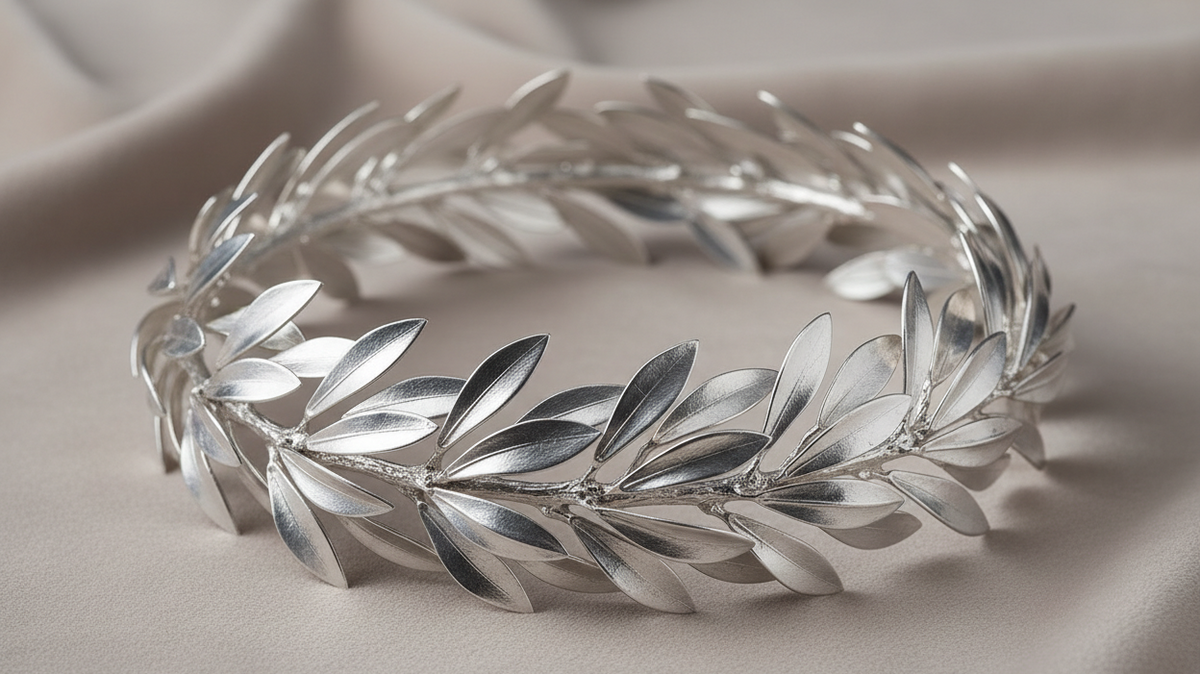
Known as the Kotinos, this simple olive wreath became one of the most powerful symbols of achievement in ancient Greece. It represented victory, honor, and the extraordinary accomplishment of those who competed at the Olympic Games.
Today, the olive wreath remains an enduring symbol of Greek heritage, inspiring art and handcrafted creations around the world.
What Was the Kotinos?
The word kotinos refers to the olive wreath traditionally awarded to the winners of the ancient Olympic Games.
According to ancient tradition, the wreath was made from branches of the sacred olive tree at Olympia. The branches were carefully cut and formed into a wreath, which was then presented to the victorious athlete.
Unlike today’s Olympic medals, the Kotinos had no monetary value. Its significance came from what it represented: honor and recognition for exceptional achievement.
The Ancient Olympic Games
The Olympic Games were held at Olympia, in the western Peloponnese, in honor of Zeus.
Athletes travelled from across the Greek world to compete in events that included running, wrestling, boxing, pankration, chariot racing, and the pentathlon.
Victory at Olympia was considered one of the highest honors an athlete could achieve.
The winning athlete received the Kotinos during the victory ceremony, transforming a simple wreath of olive branches into a symbol of extraordinary accomplishment.
Why an Olive Wreath?
The olive tree held a special place in ancient Greek culture.
Olive trees were deeply connected with the landscape, economy, religion, and mythology of Greece. The olive branch was also associated with ideas of peace and reconciliation, giving the wreath a significance that extended beyond athletic victory.
The choice of the olive branch therefore connected the victorious athlete with one of the most enduring symbols of Greek civilization.
Victory Without Wealth
One of the most fascinating aspects of the Kotinos is that it was made from a natural material of little monetary value.
The victor was not rewarded with gold or precious stones at Olympia. Instead, the olive wreath represented something considered far more important: glory, honor, and excellence.
This distinction gives the Kotinos a particularly powerful meaning even today.
It reminds us that achievement is not always measured by material possessions. Sometimes, the greatest reward is recognition for dedication, discipline, and perseverance.
From Ancient Symbol to Timeless Inspiration
The image of the olive wreath has survived for more than two thousand years.
Its form can still be seen in art, architecture, medals, awards, and contemporary design. The wreath has become an instantly recognizable visual expression of victory and achievement.
Its symbolism also makes it particularly meaningful when celebrating important moments in modern life.
A graduation, professional achievement, retirement, award, or personal milestone can all represent a modern form of victory—making the Kotinos a fitting symbol for these occasions.
The Olive Branch in Greek Culture
Beyond the Olympic Games, the olive branch has long carried powerful associations in Greek culture.
The olive tree is deeply connected with the history and identity of Greece. It represents resilience, longevity, and the relationship between people and the land.
The ancient Greeks also associated the olive tree with Athena, the goddess of wisdom, who according to mythology gave the olive tree to the city that would bear her name.
Over the centuries, the olive branch became much more than an agricultural symbol. It came to represent aspects of Greek life, culture, mythology, and identity.
The Kotinos Today
The symbolism of the Kotinos remains remarkably relevant.
Today, an olive wreath can represent:
- Achievement
- Excellence
- Honor
- Victory
- Peace
- Perseverance
- Greek heritage
These qualities make the Kotinos particularly meaningful as a commemorative gift or decorative work of art.
It can celebrate someone who has achieved an important milestone, recognize professional excellence, or simply serve as a reminder of the values that have endured through generations.
Our Interpretation of the Kotinos
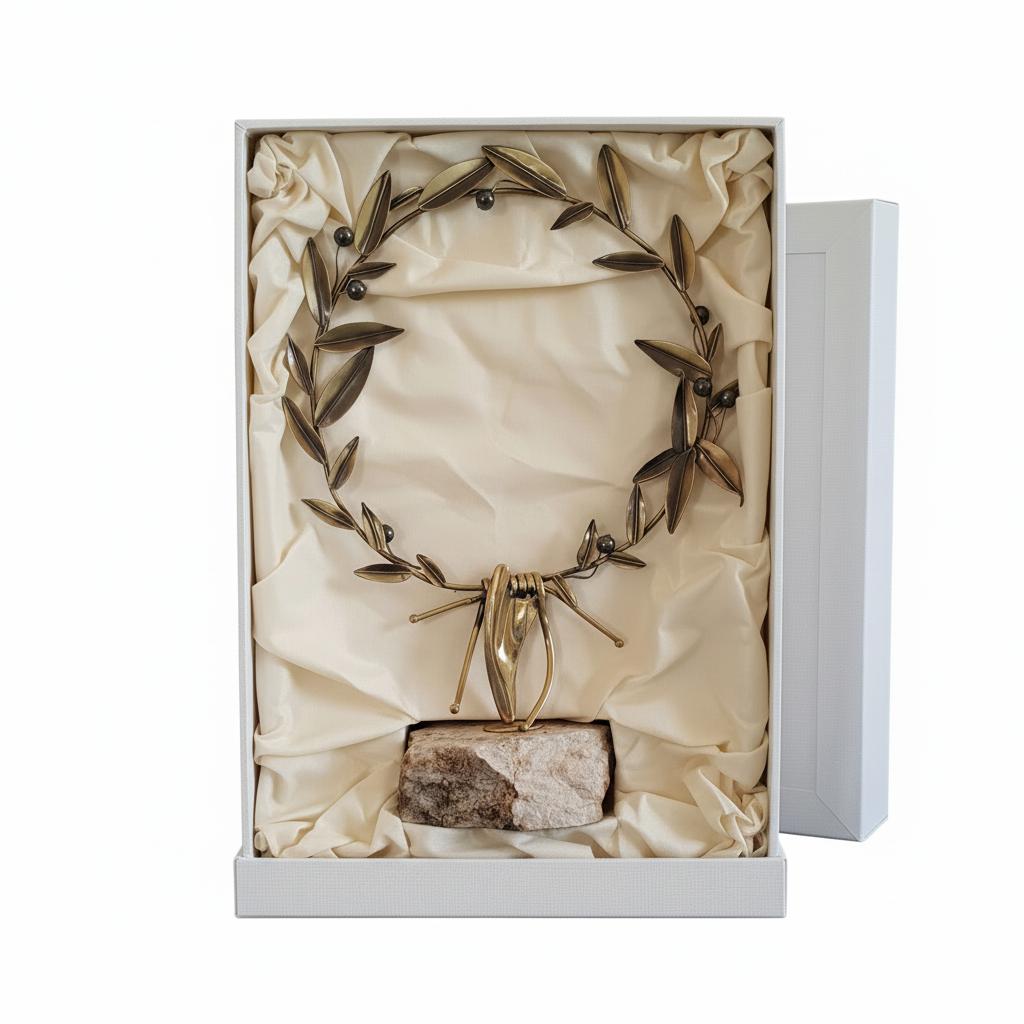
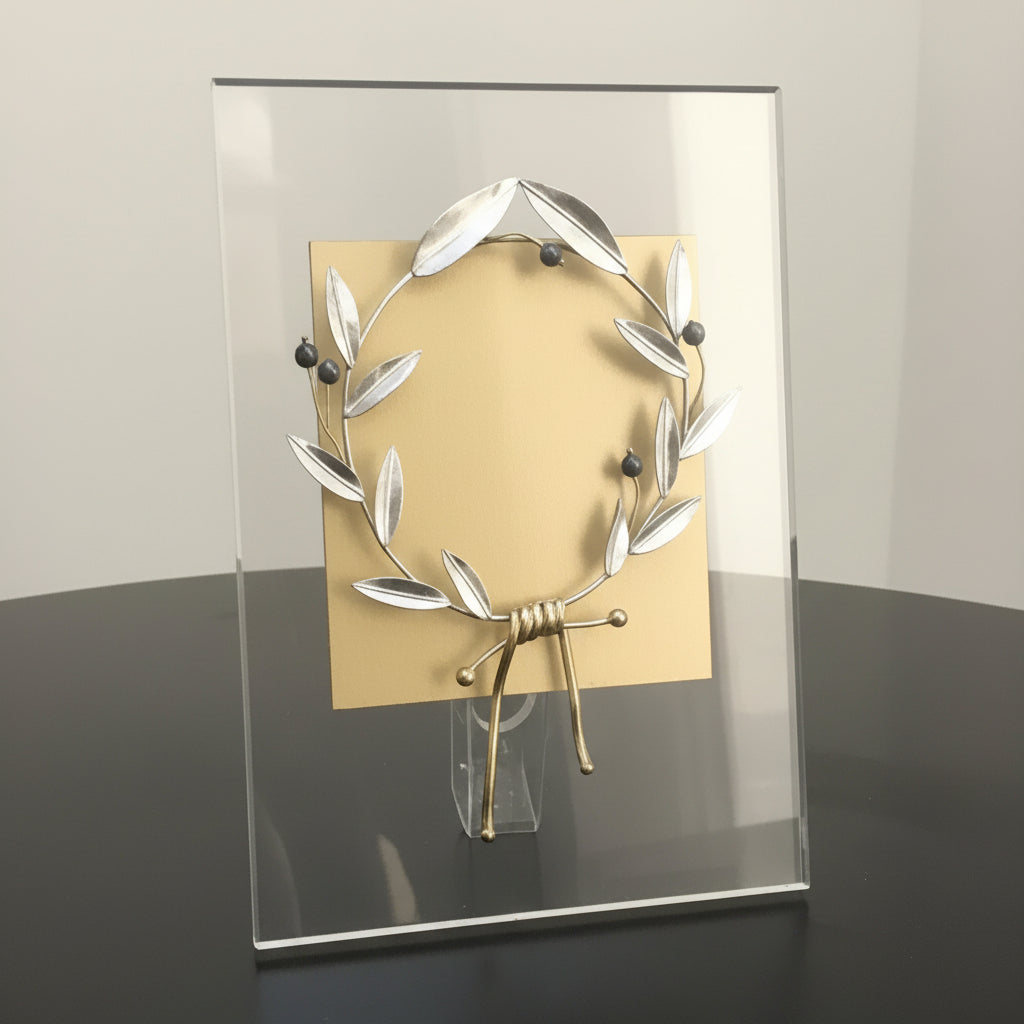
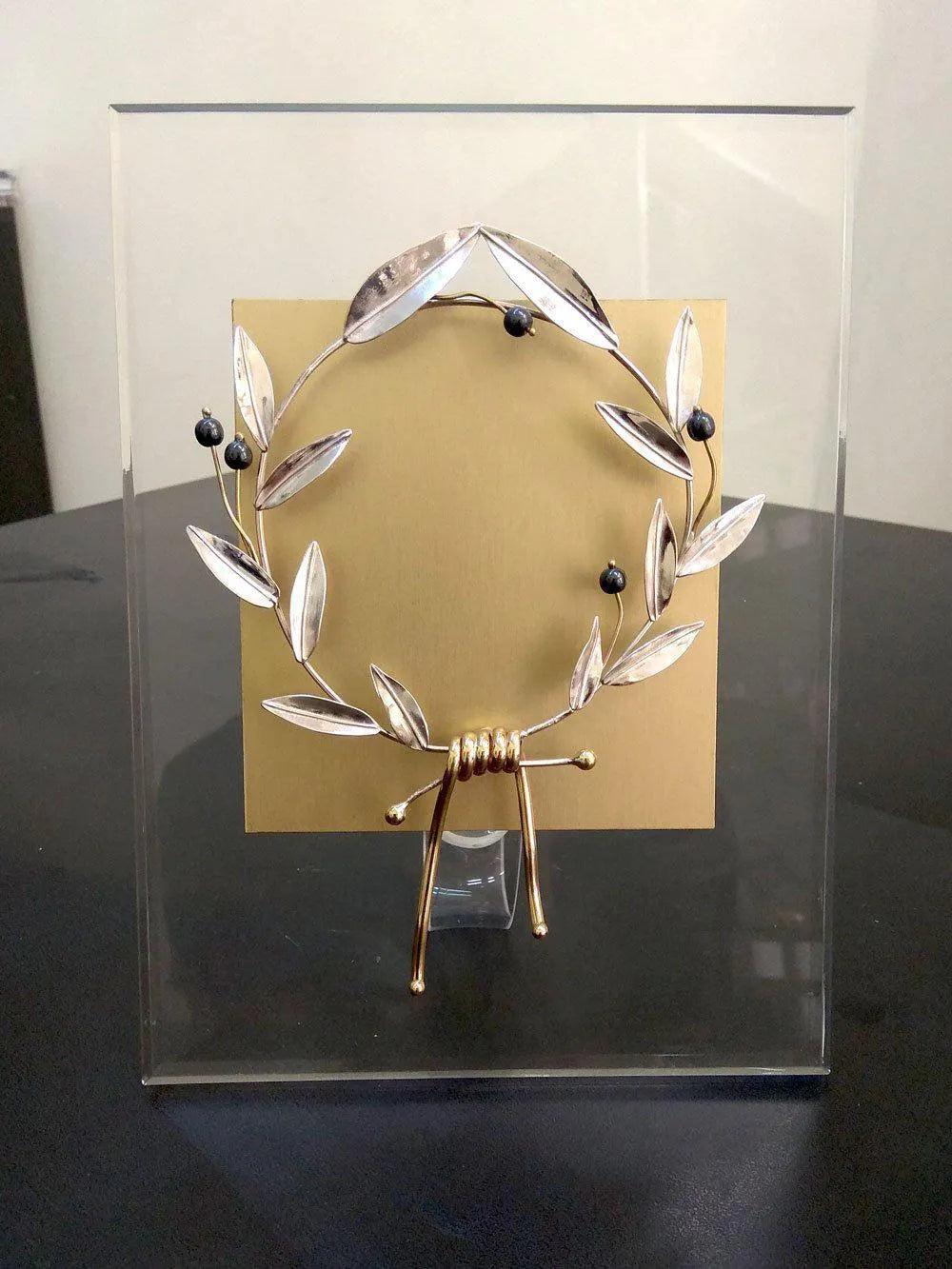
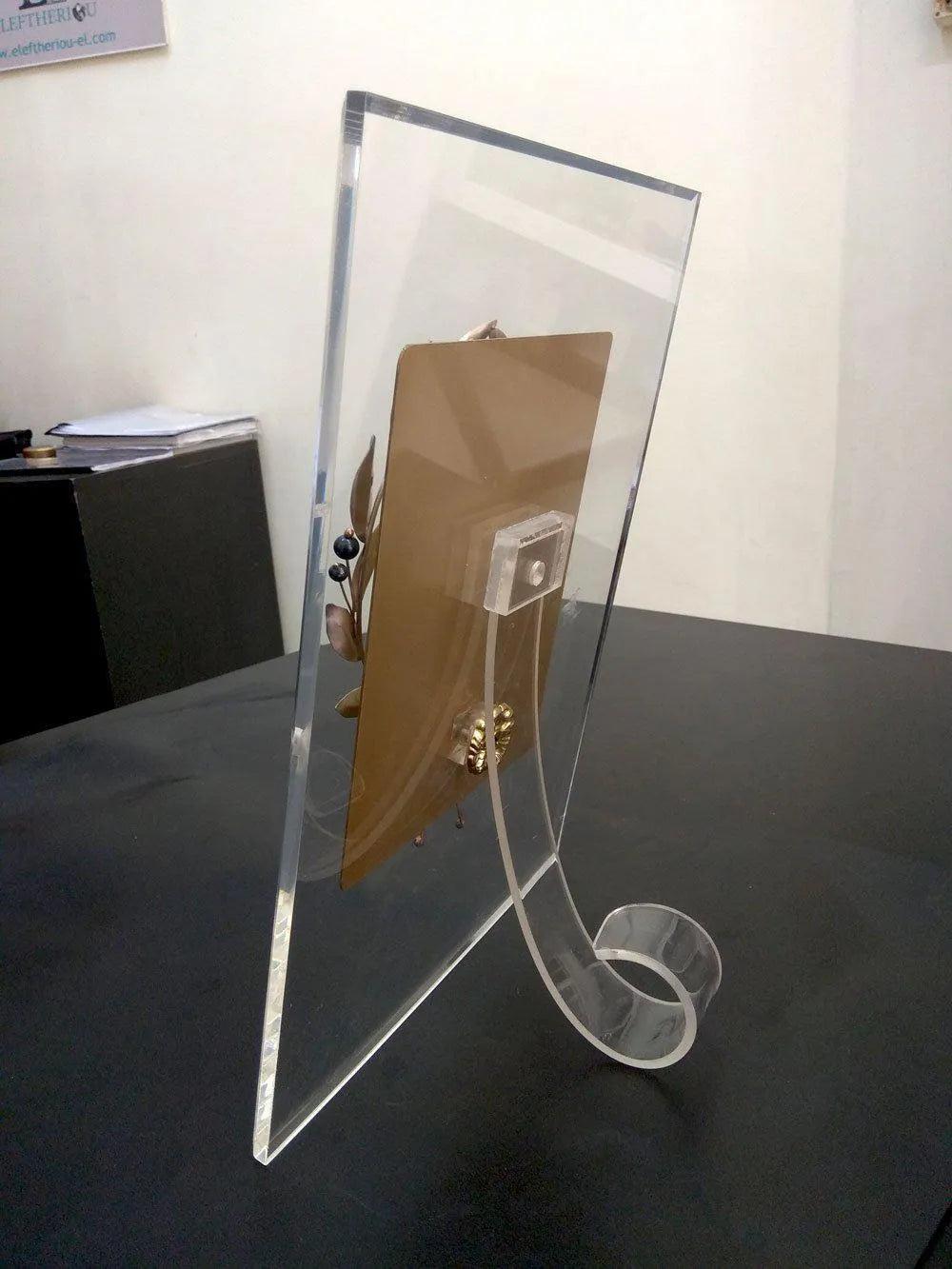
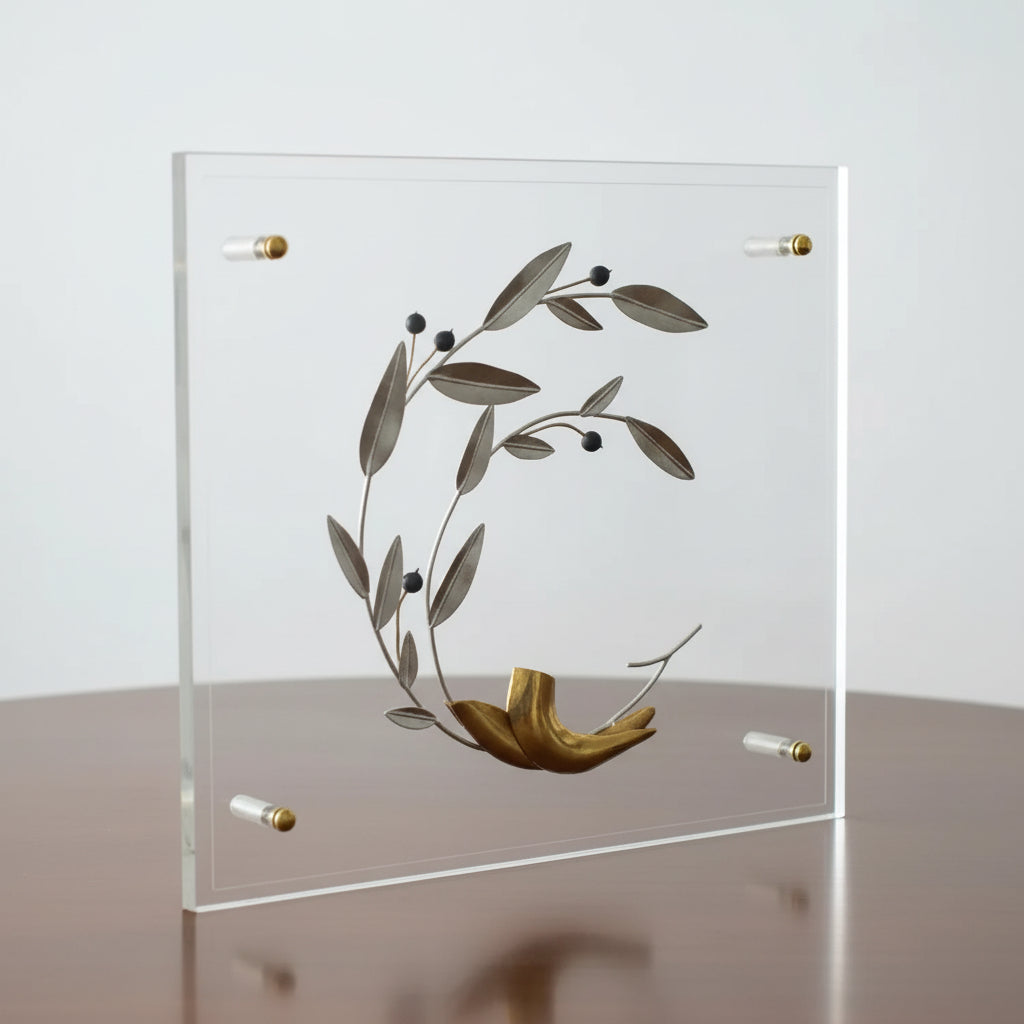
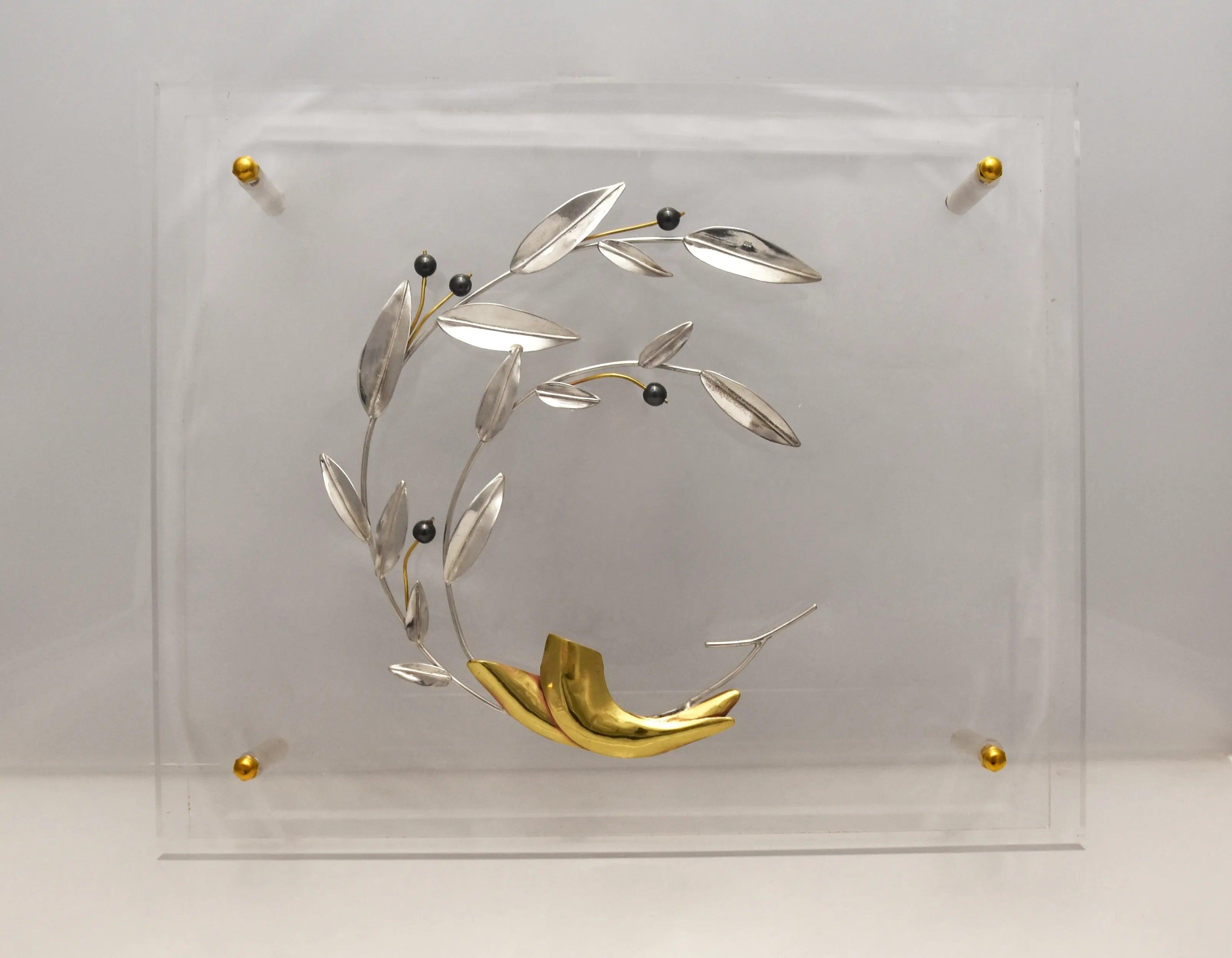
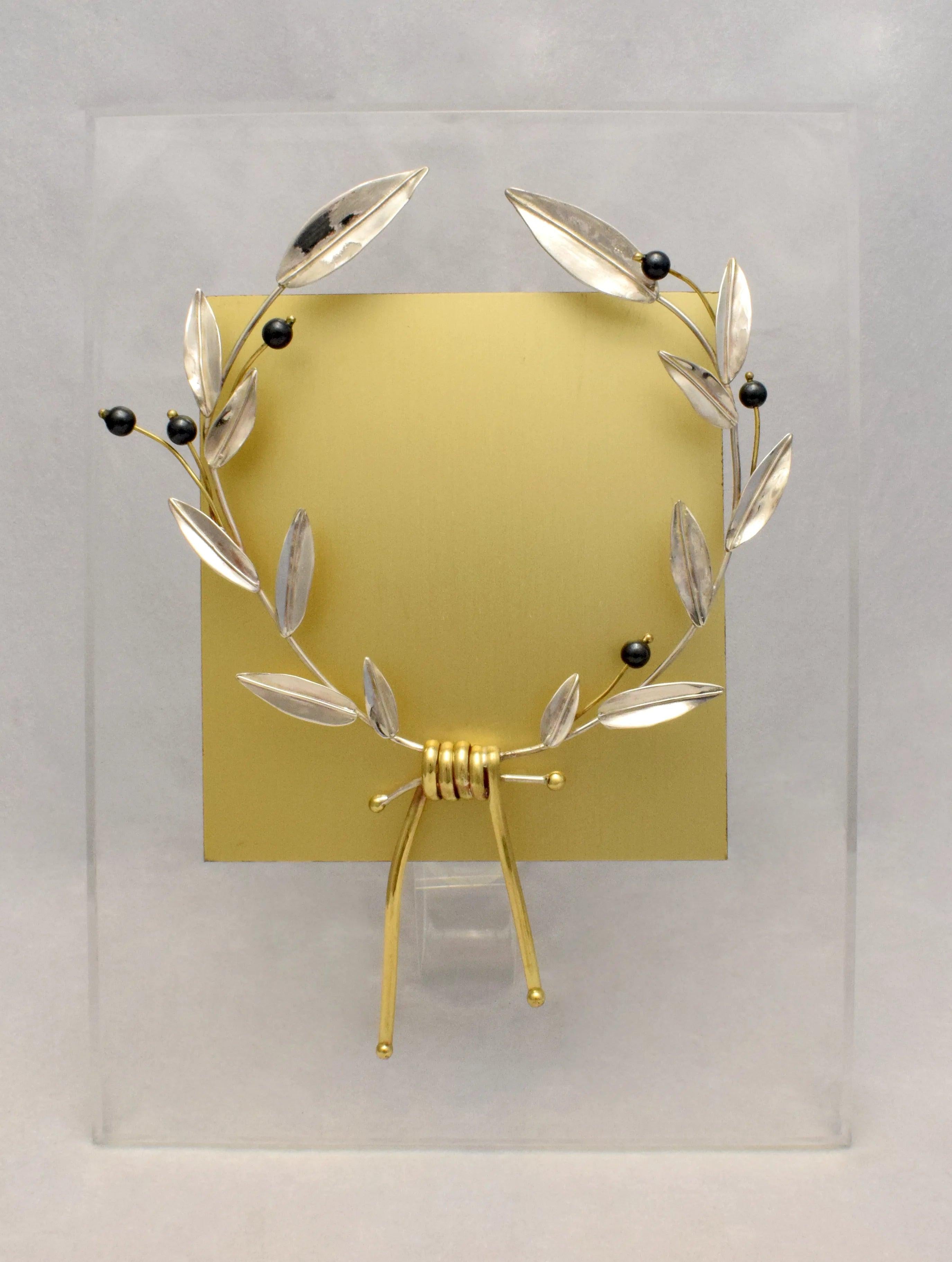
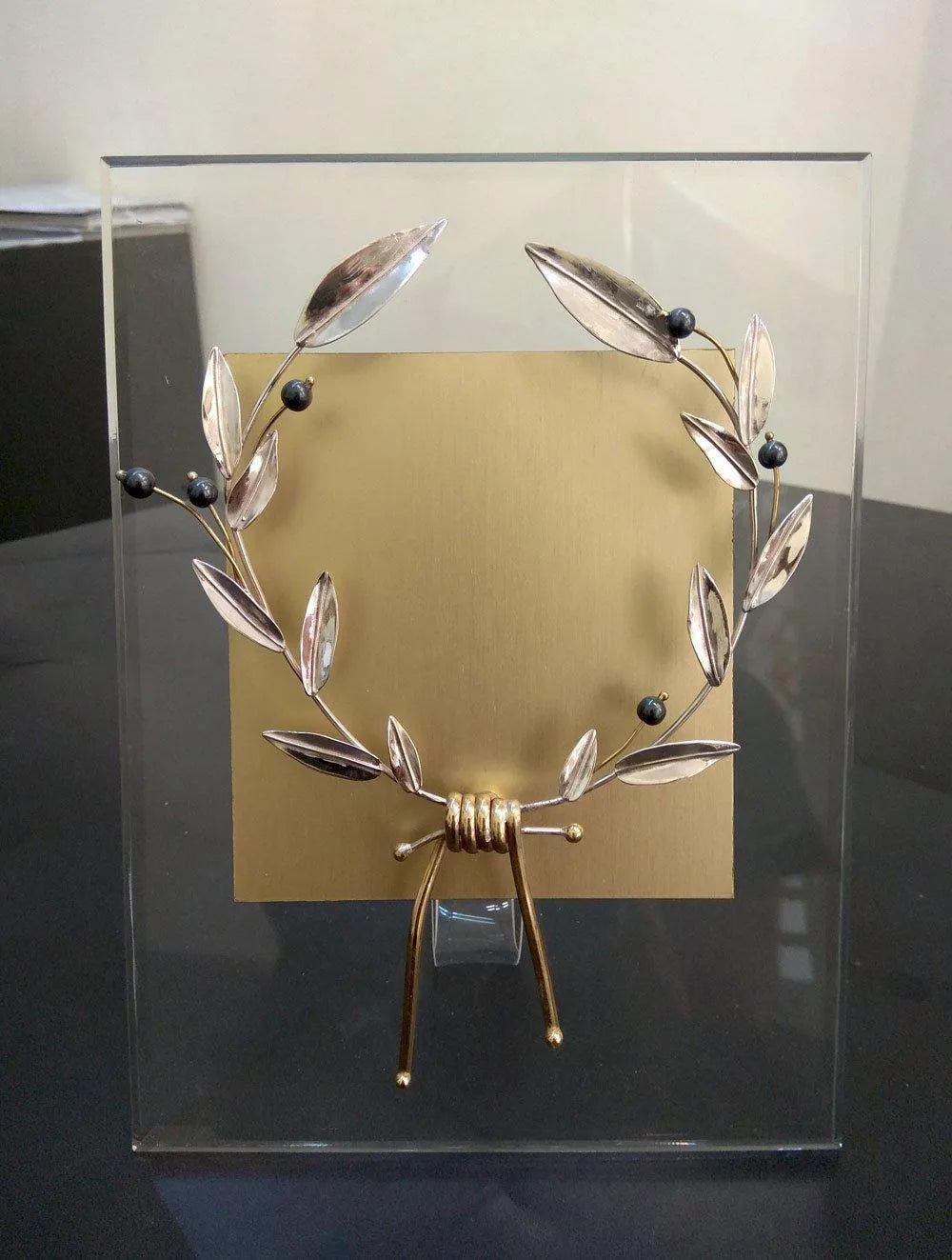
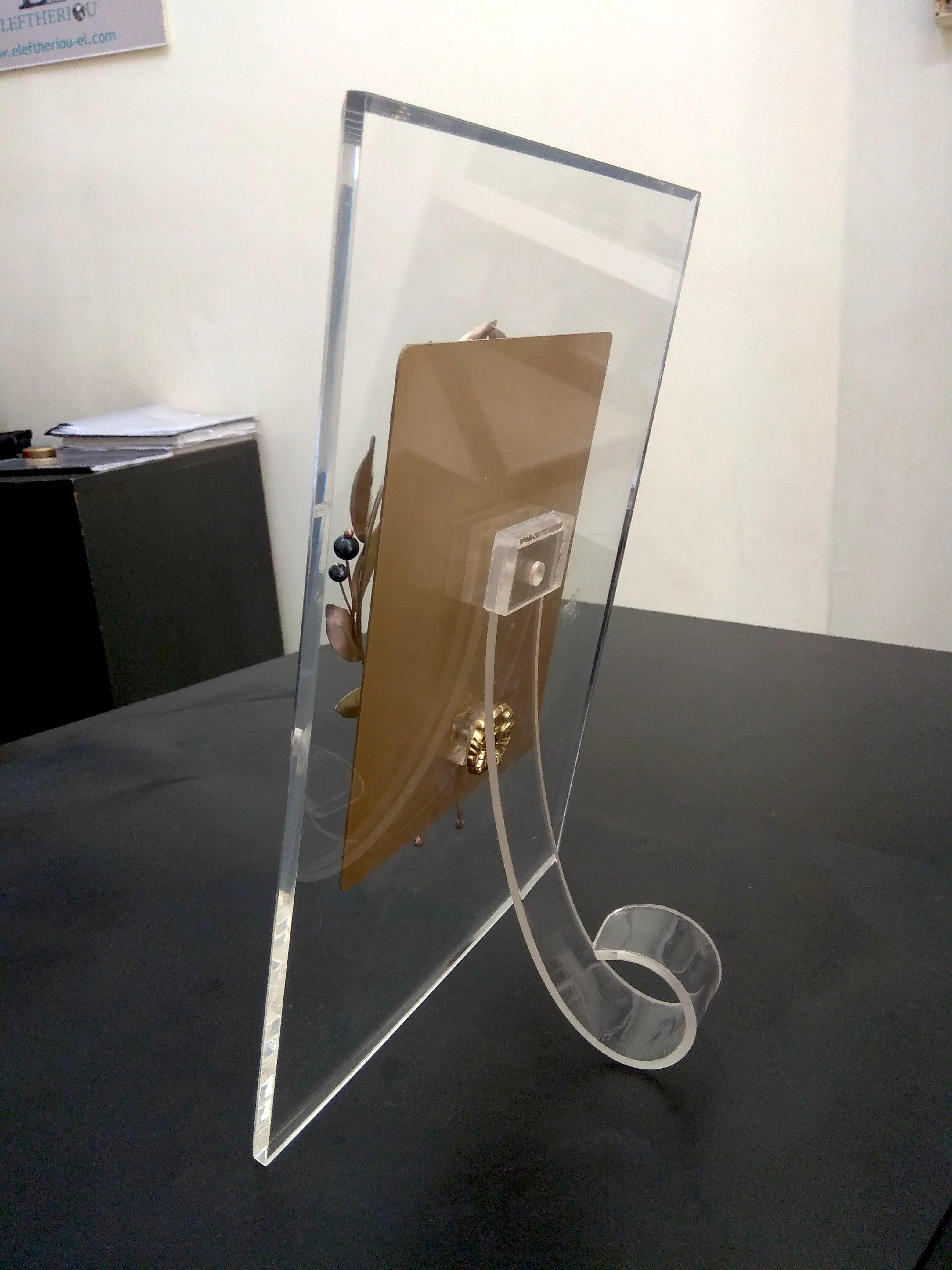
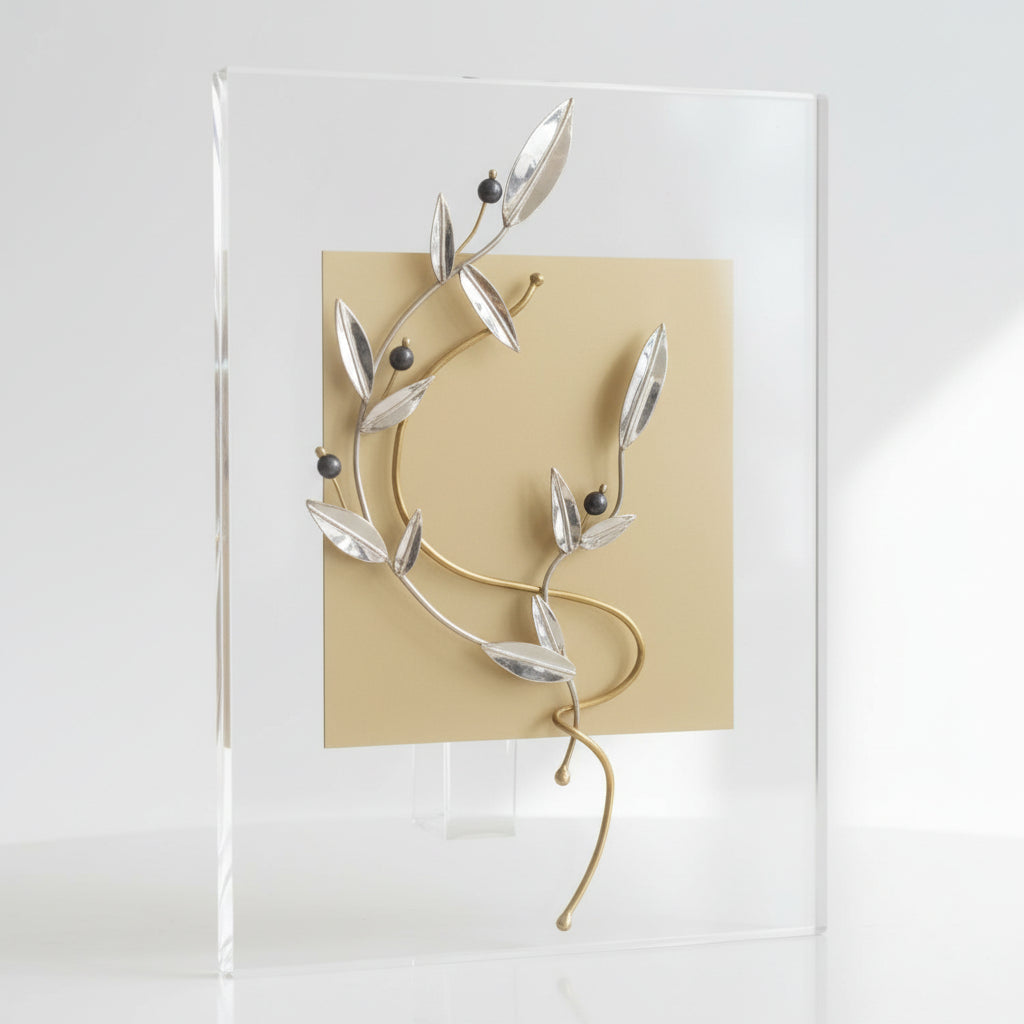
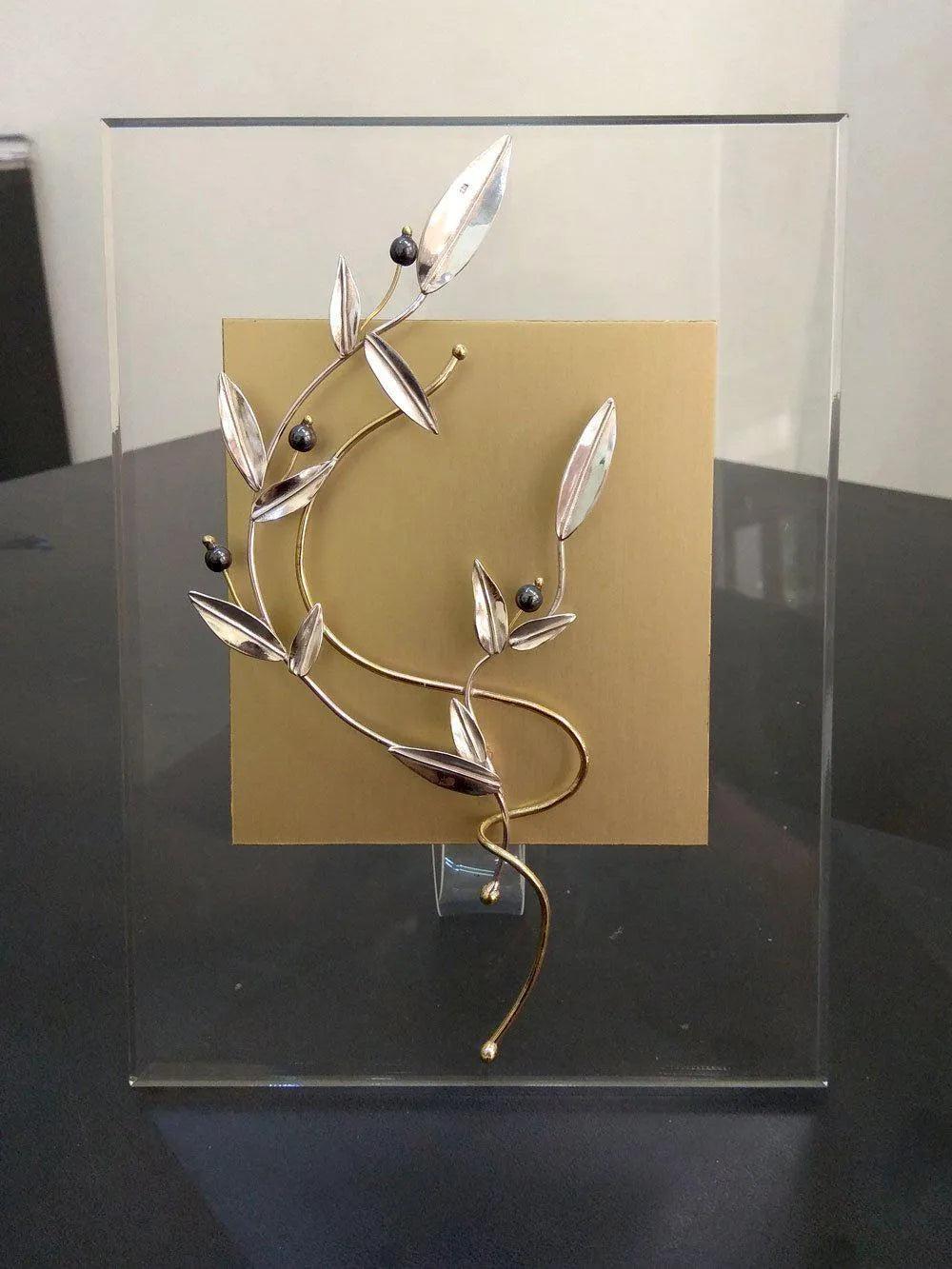
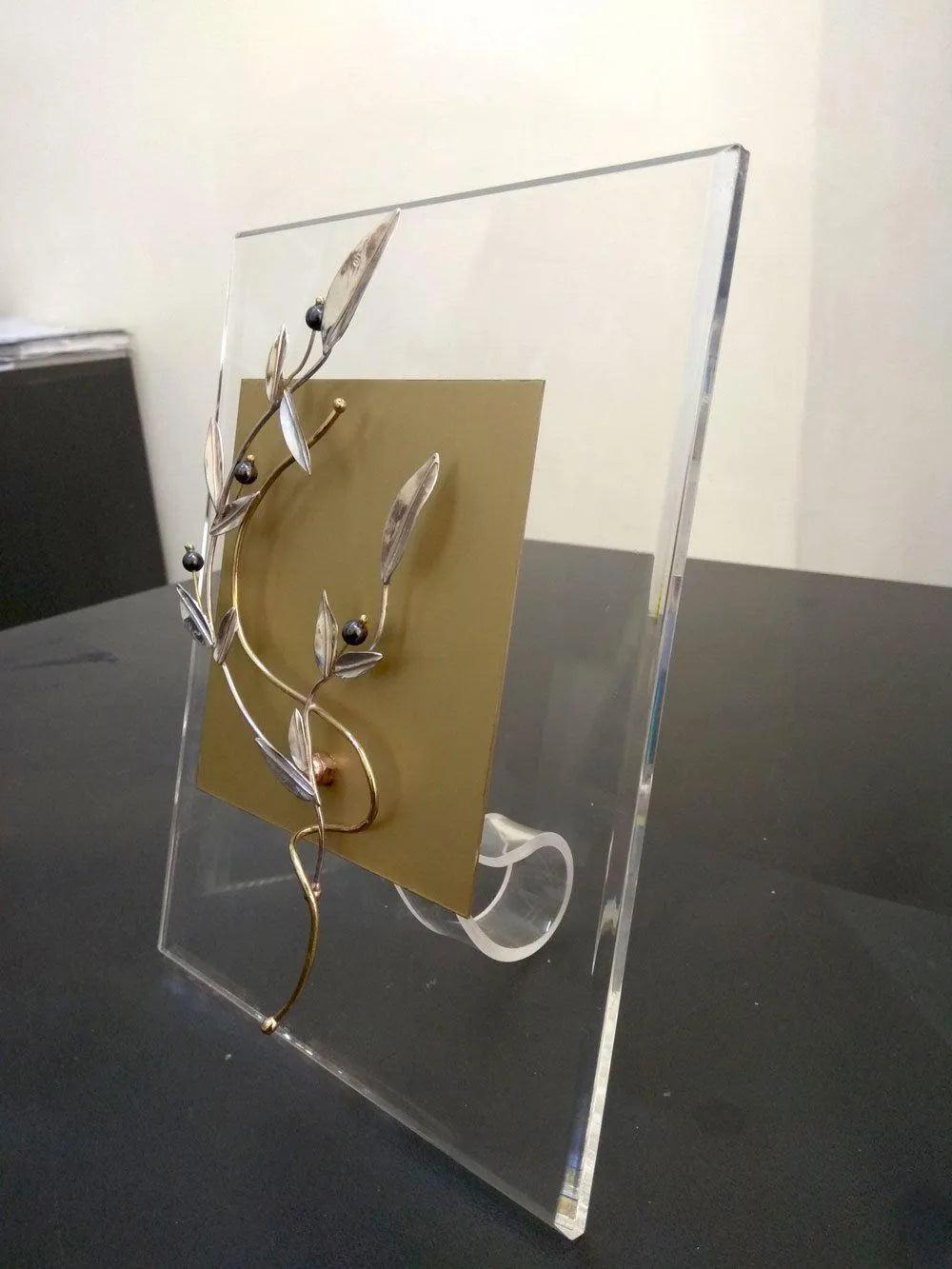
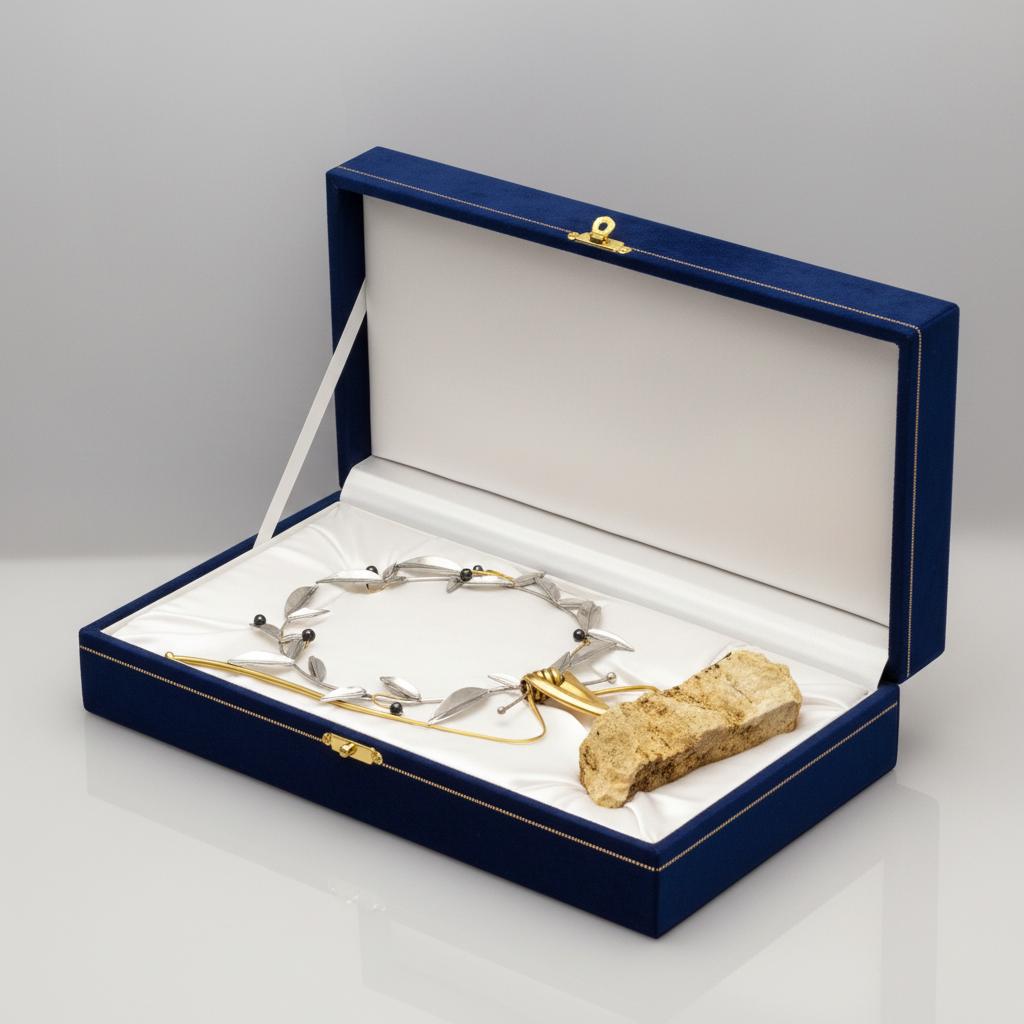
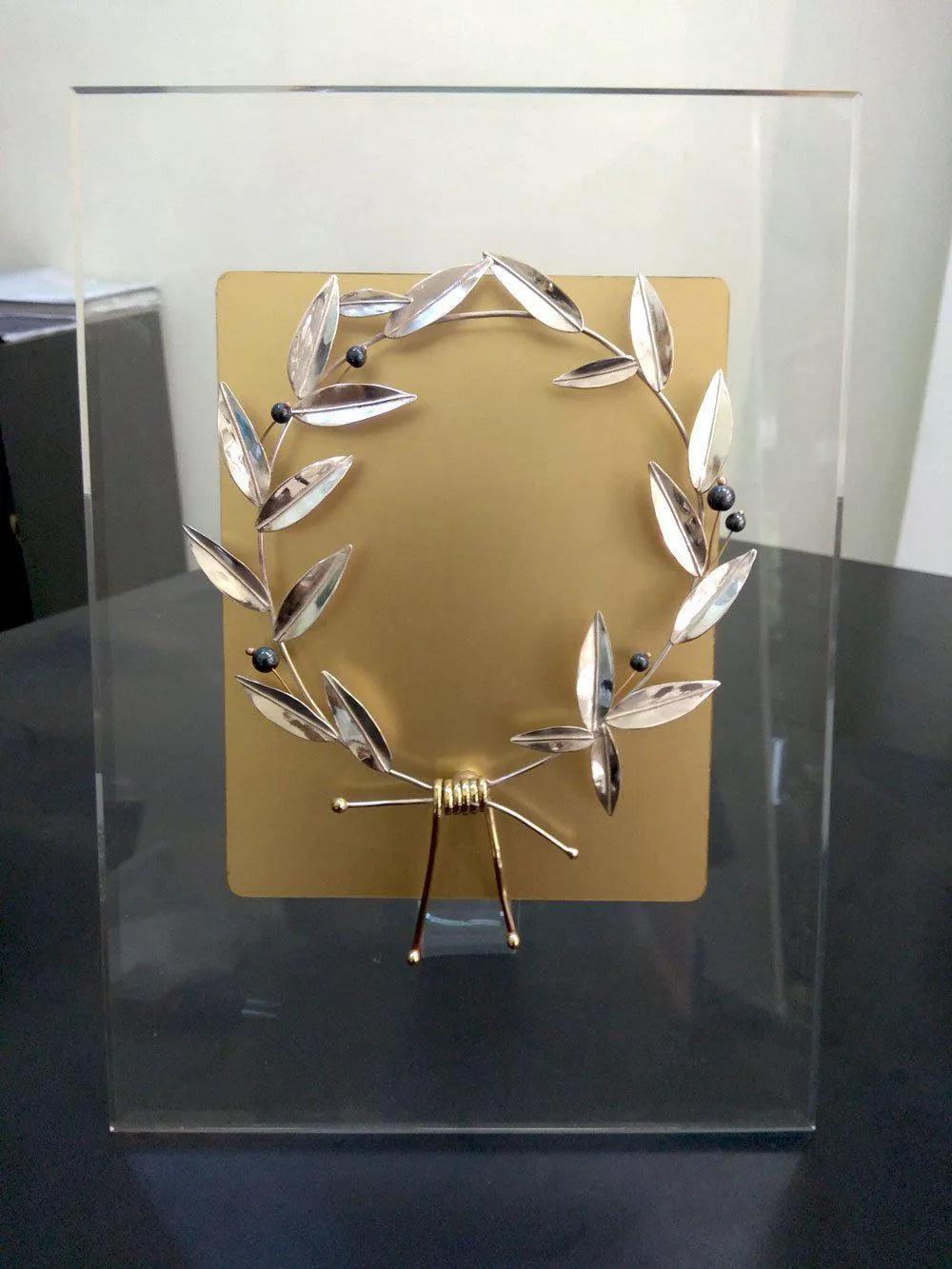
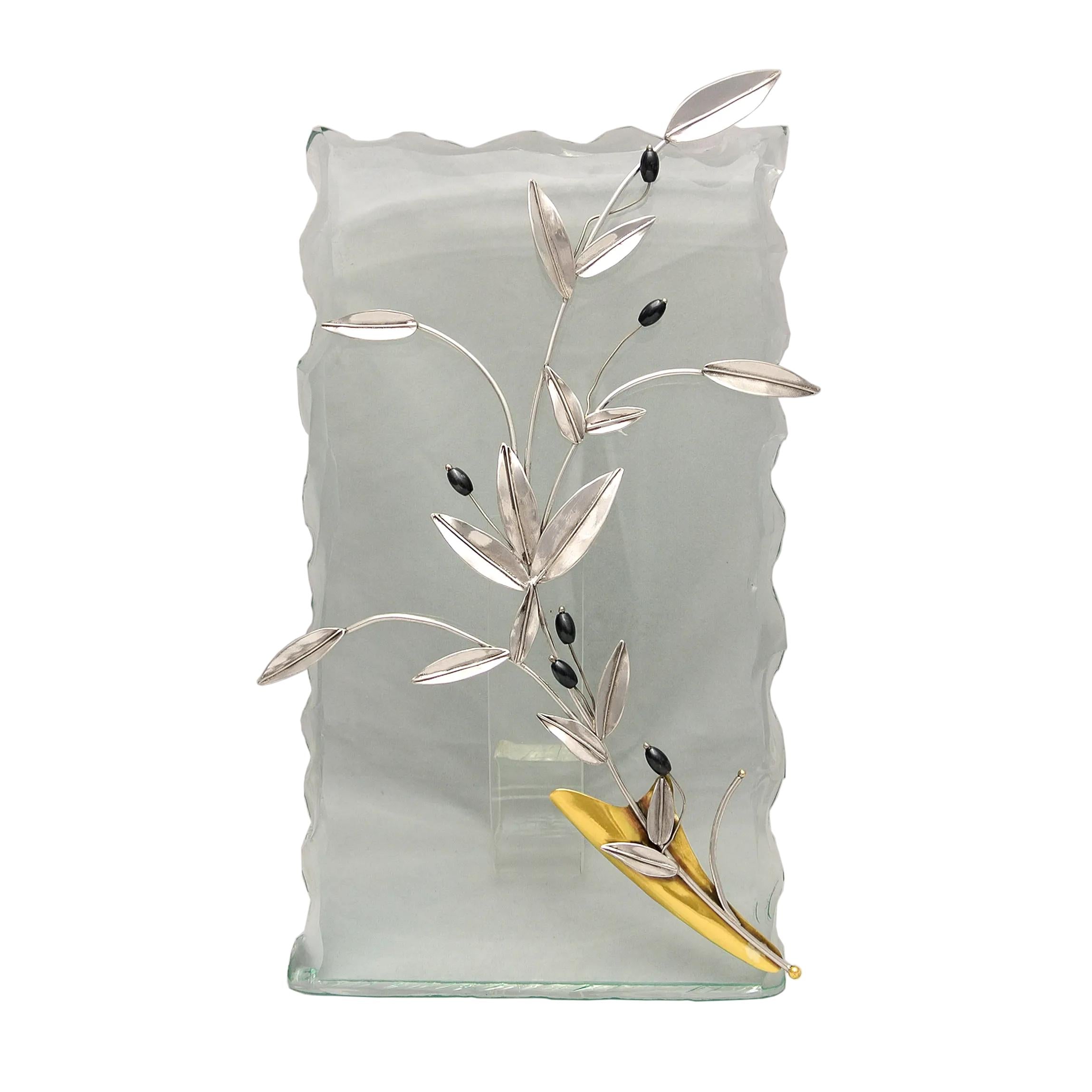
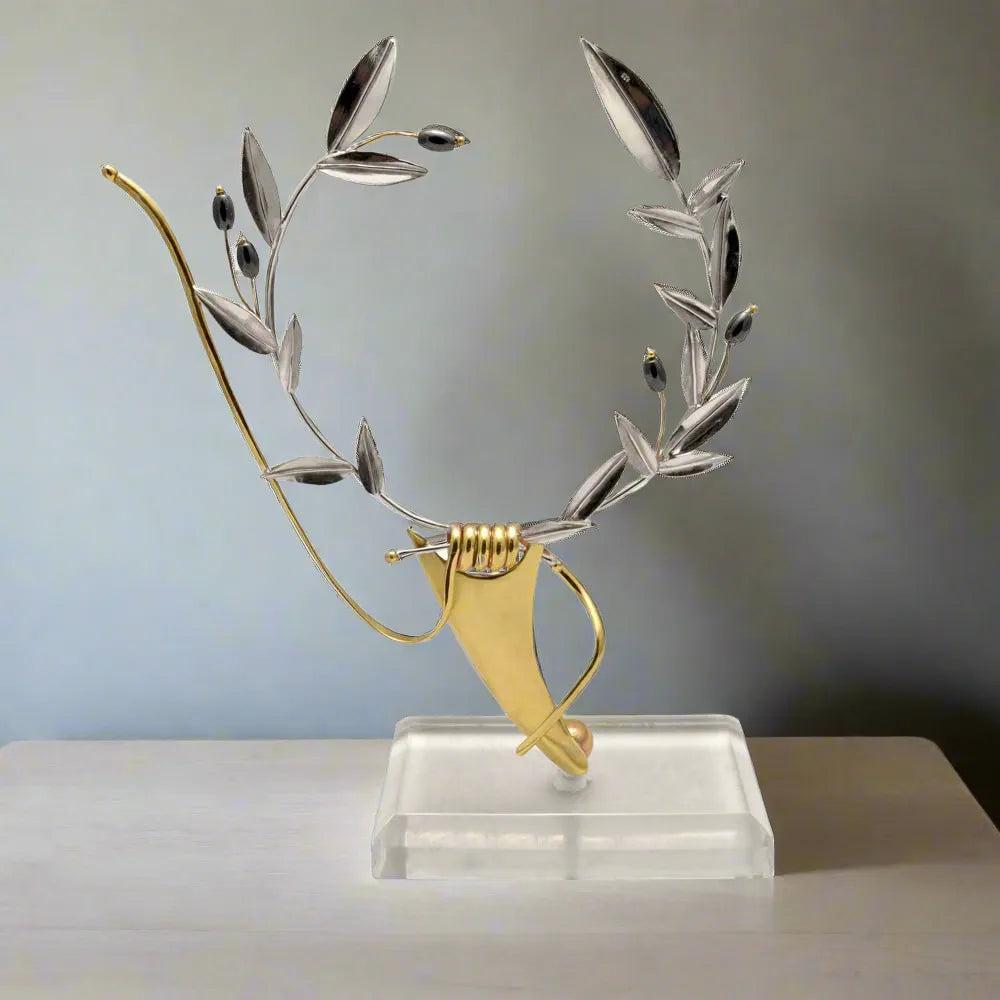
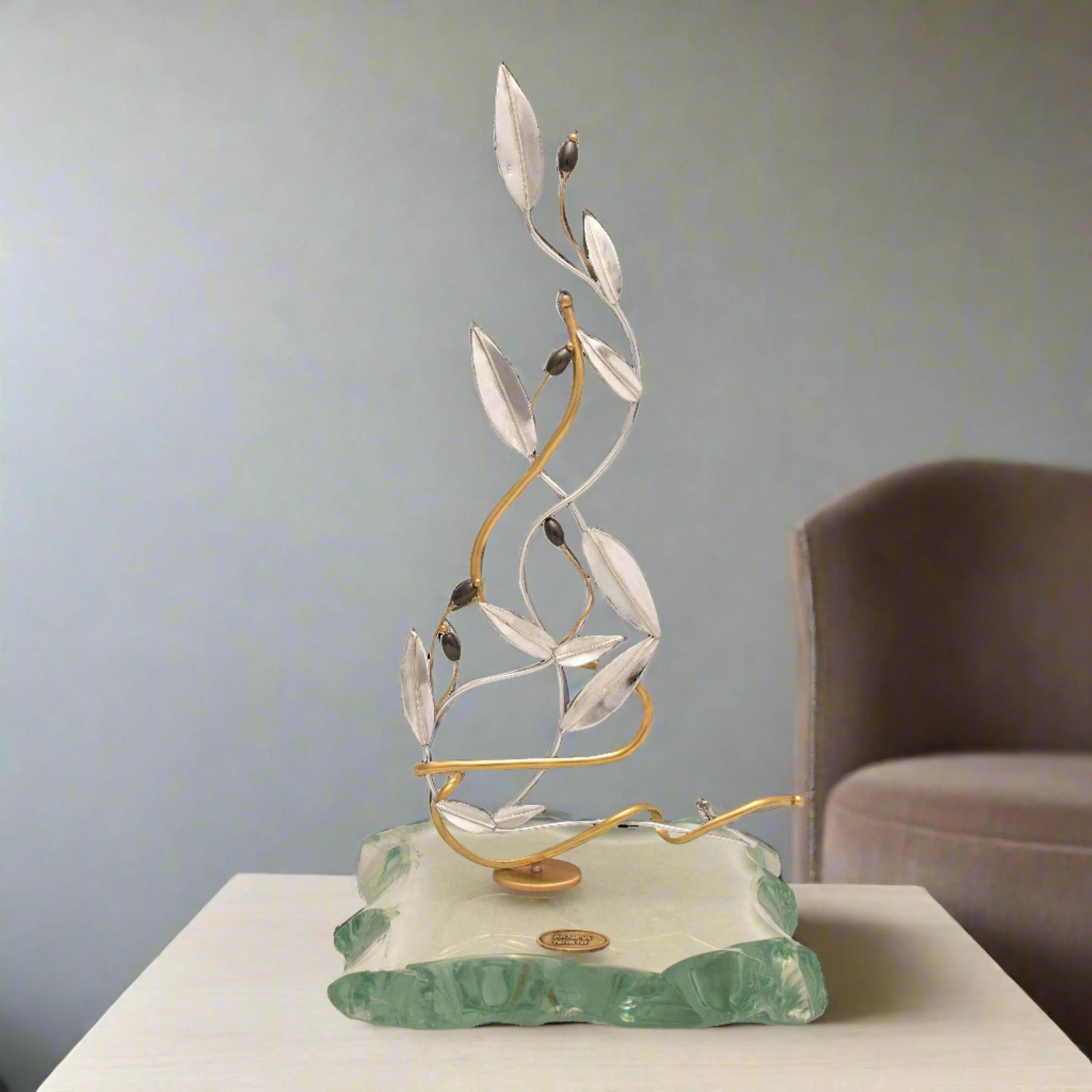
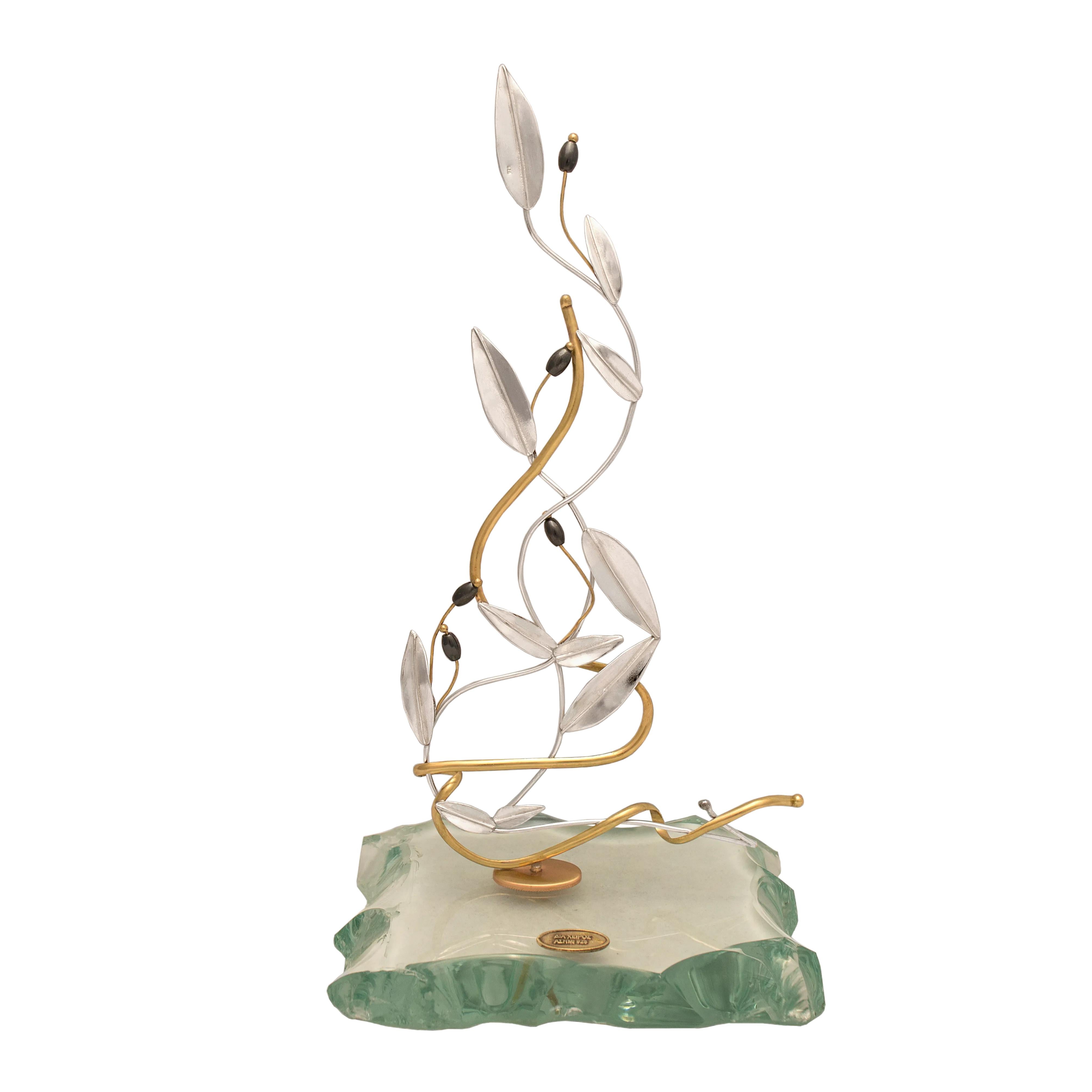
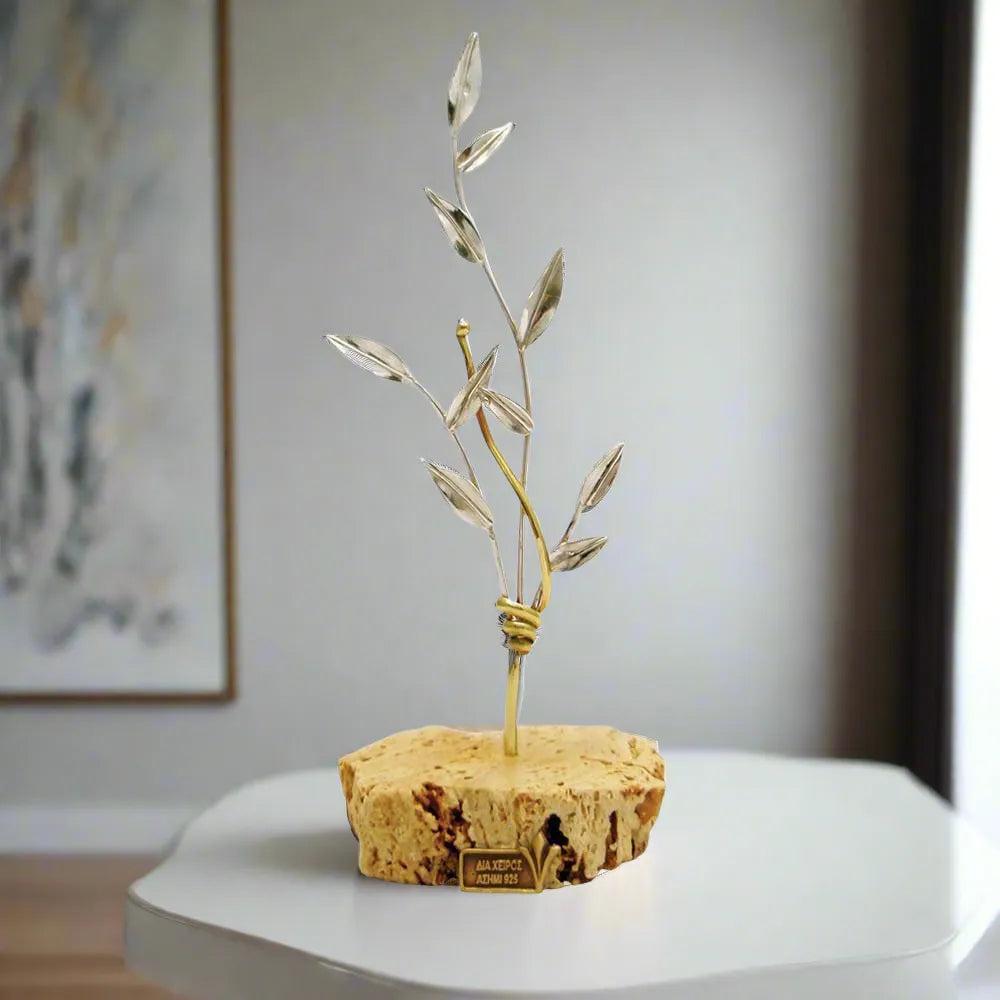
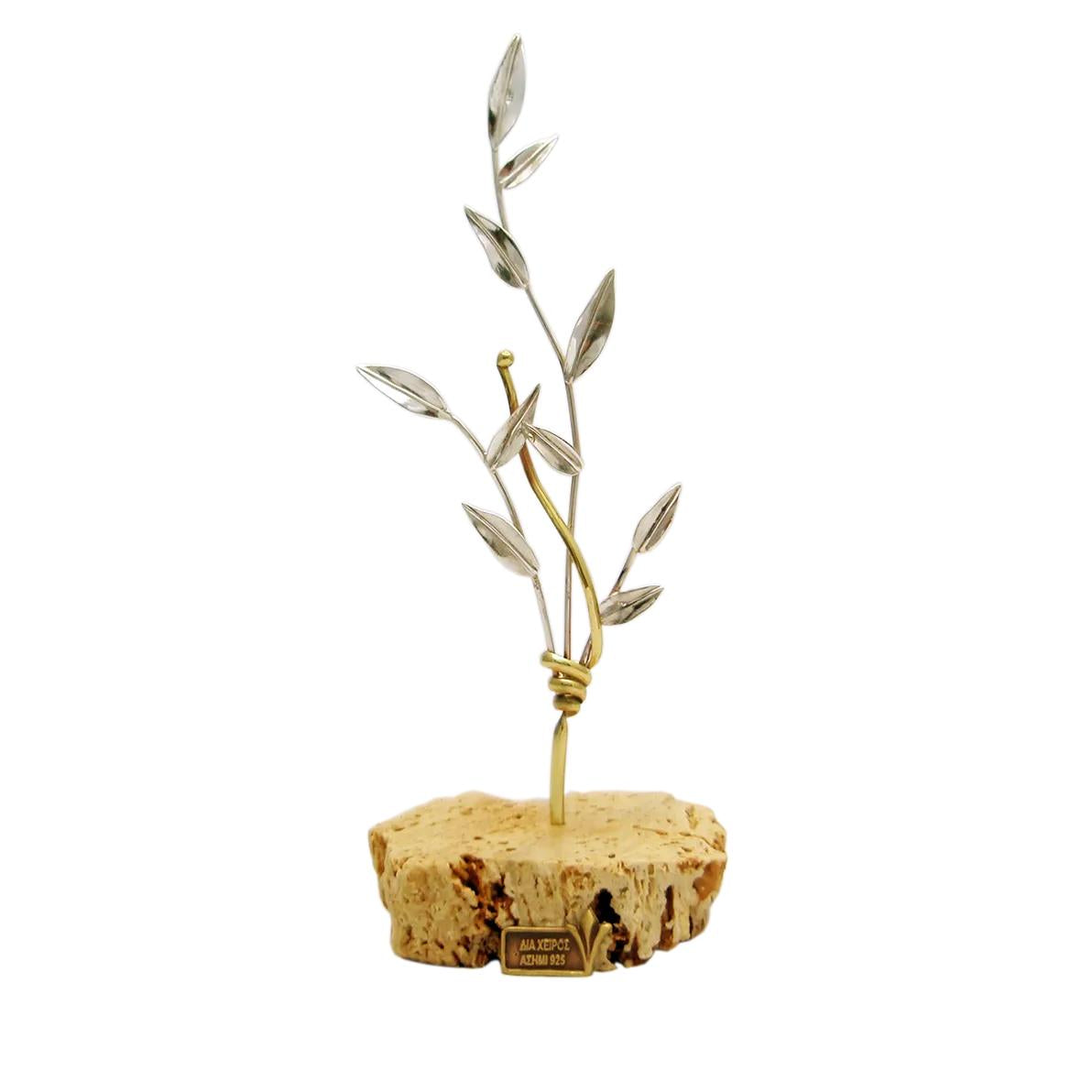
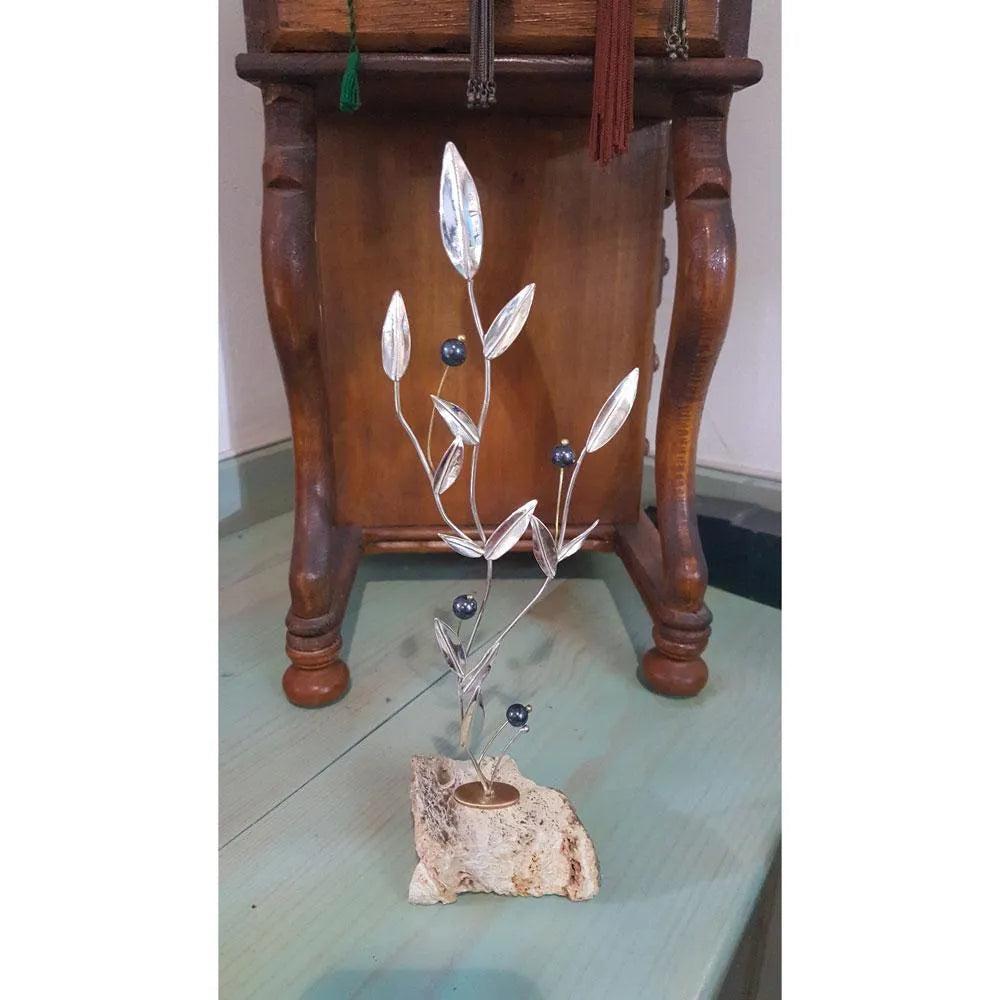
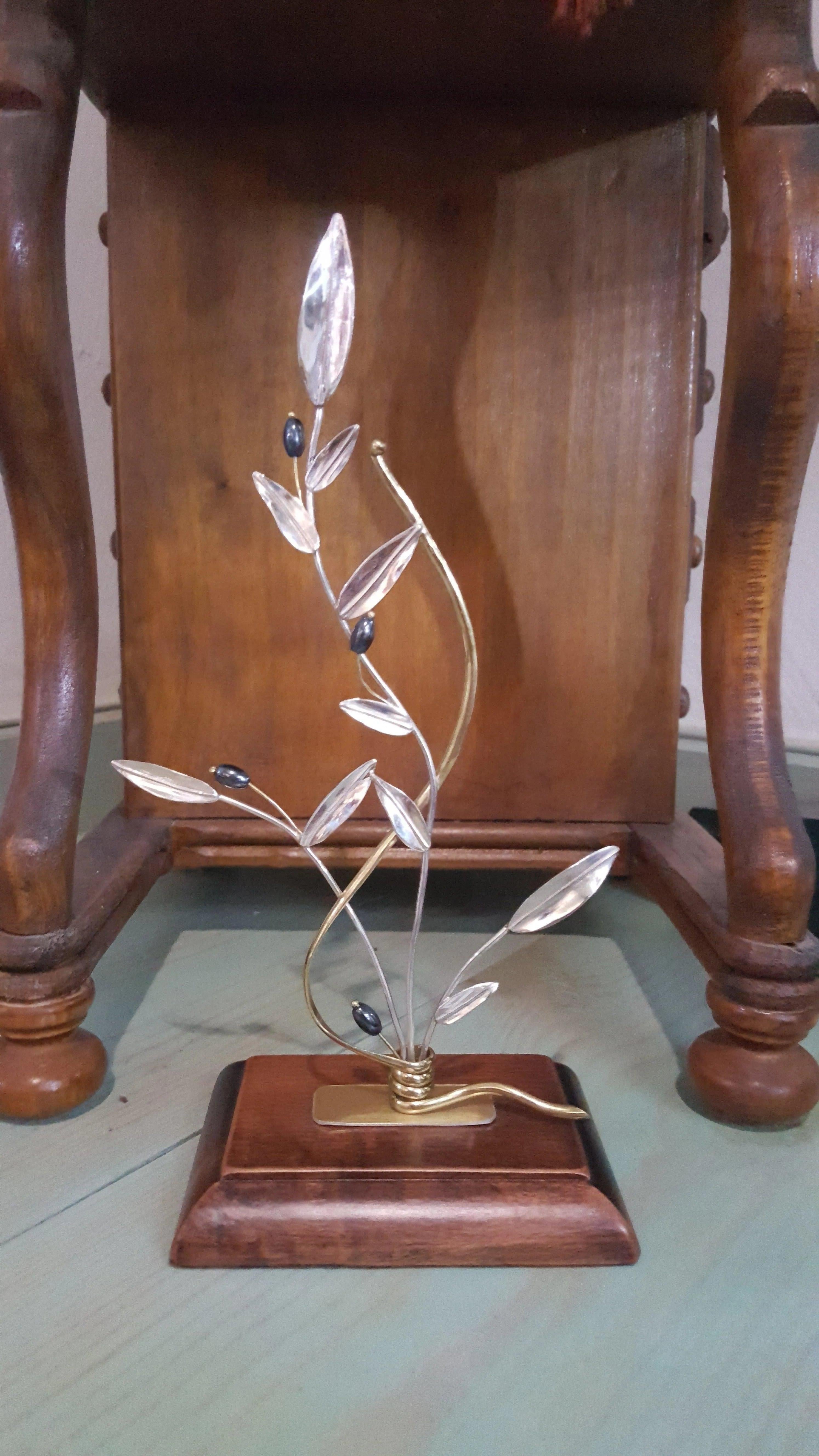
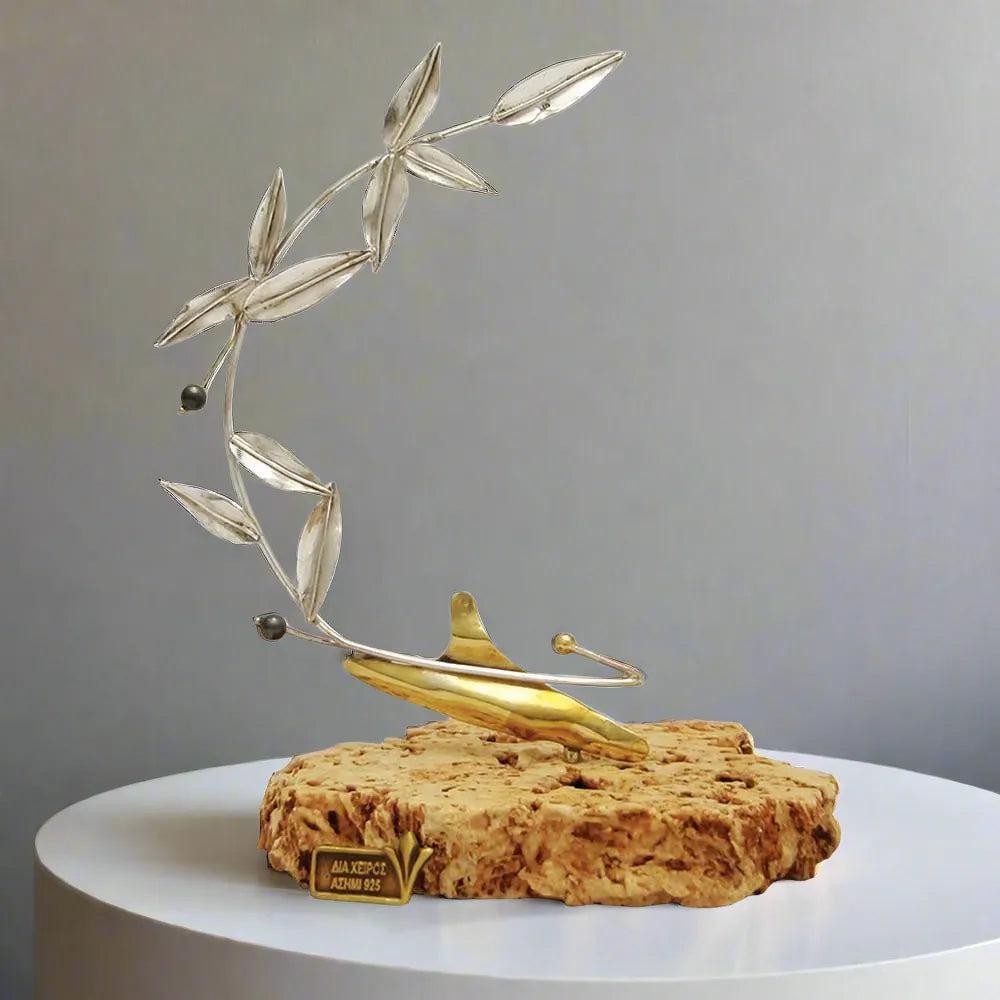
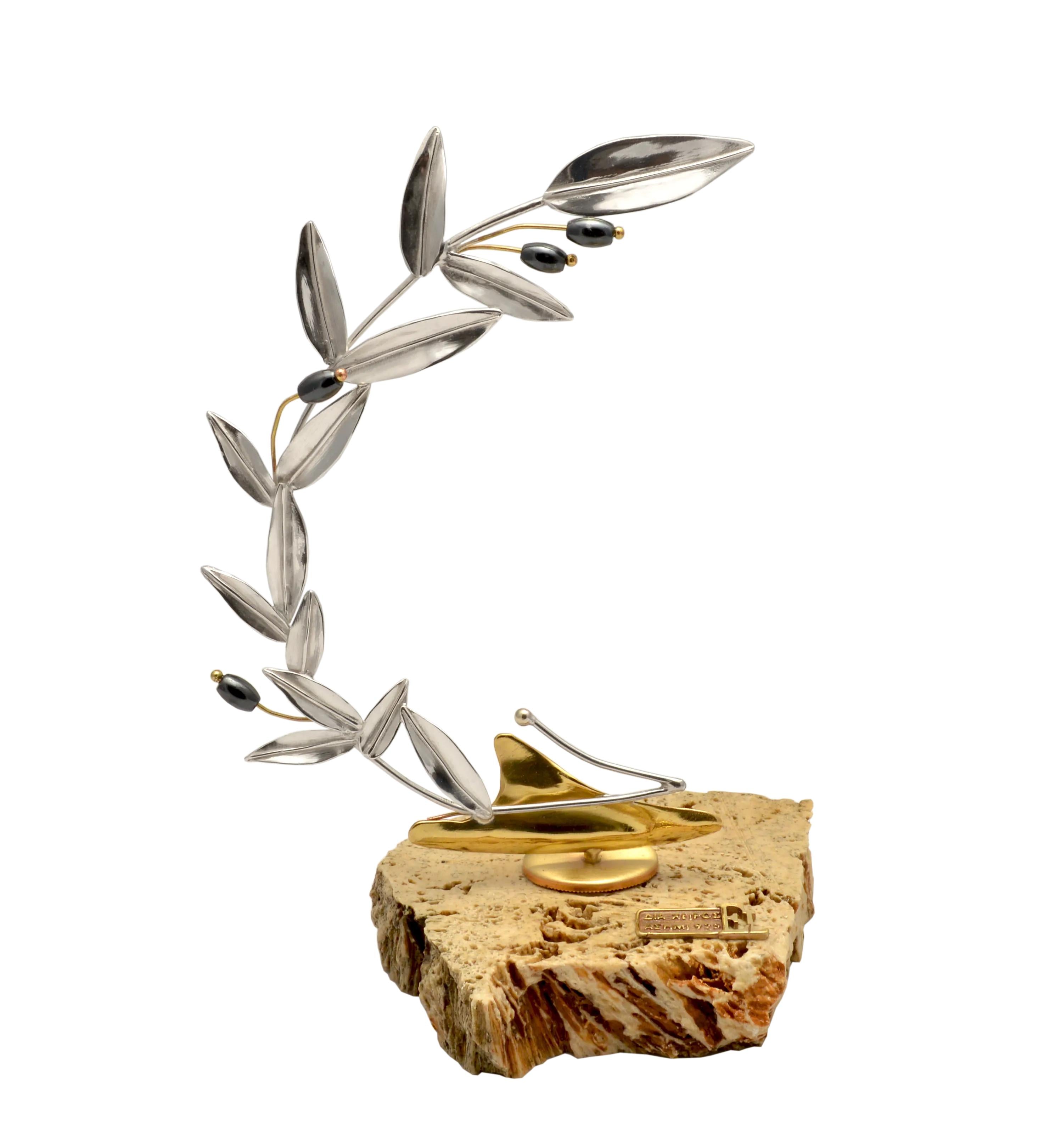
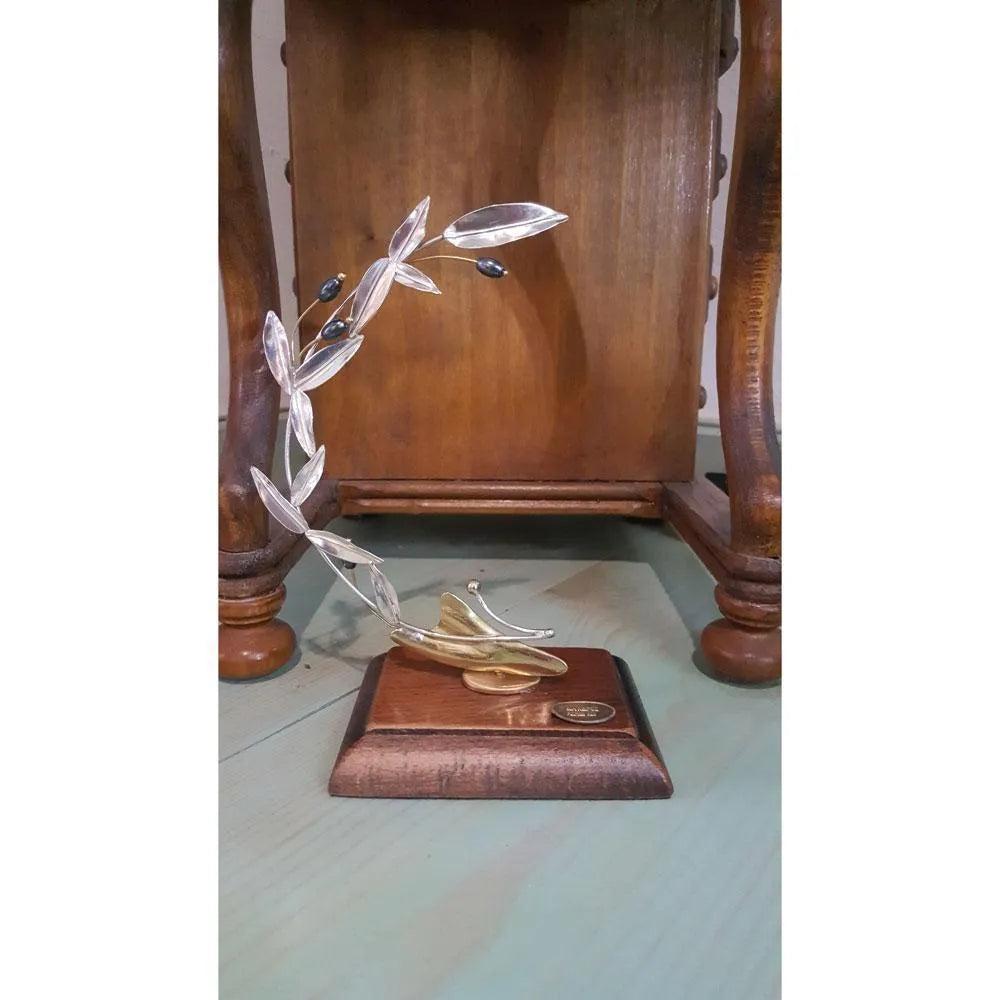
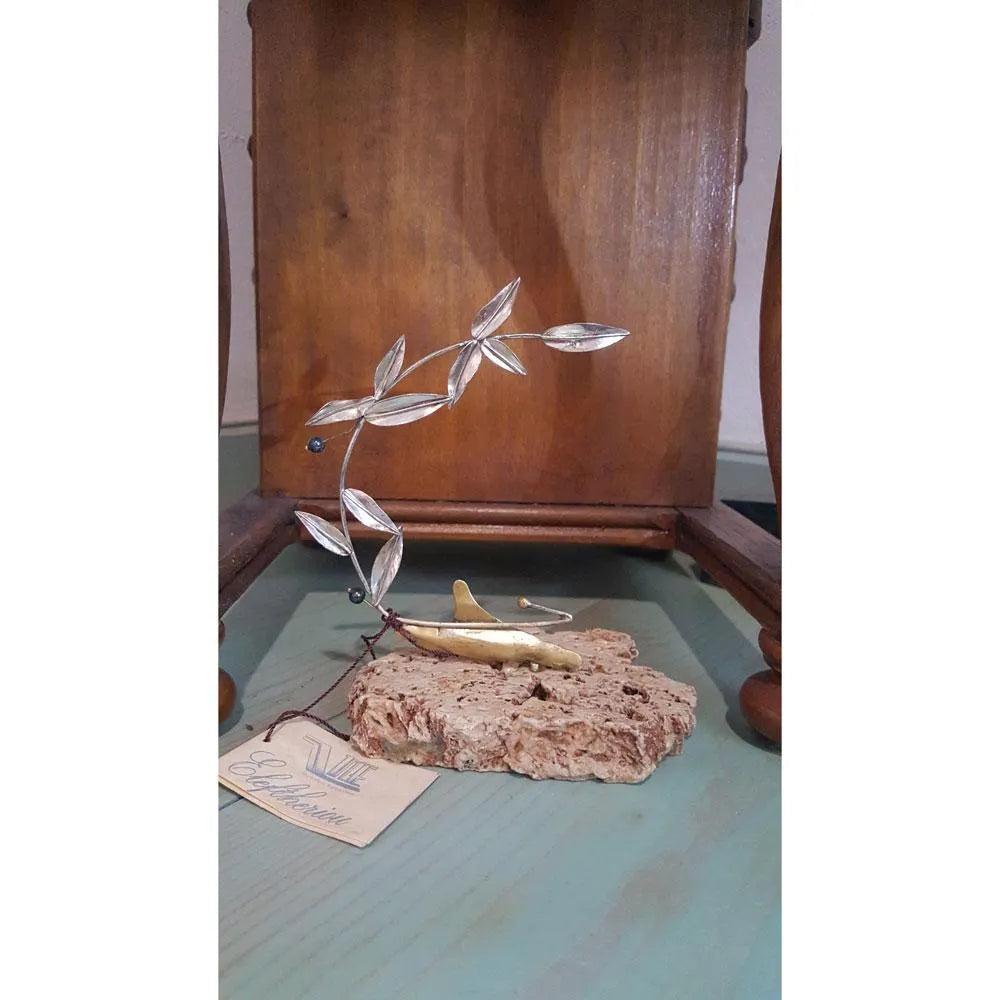
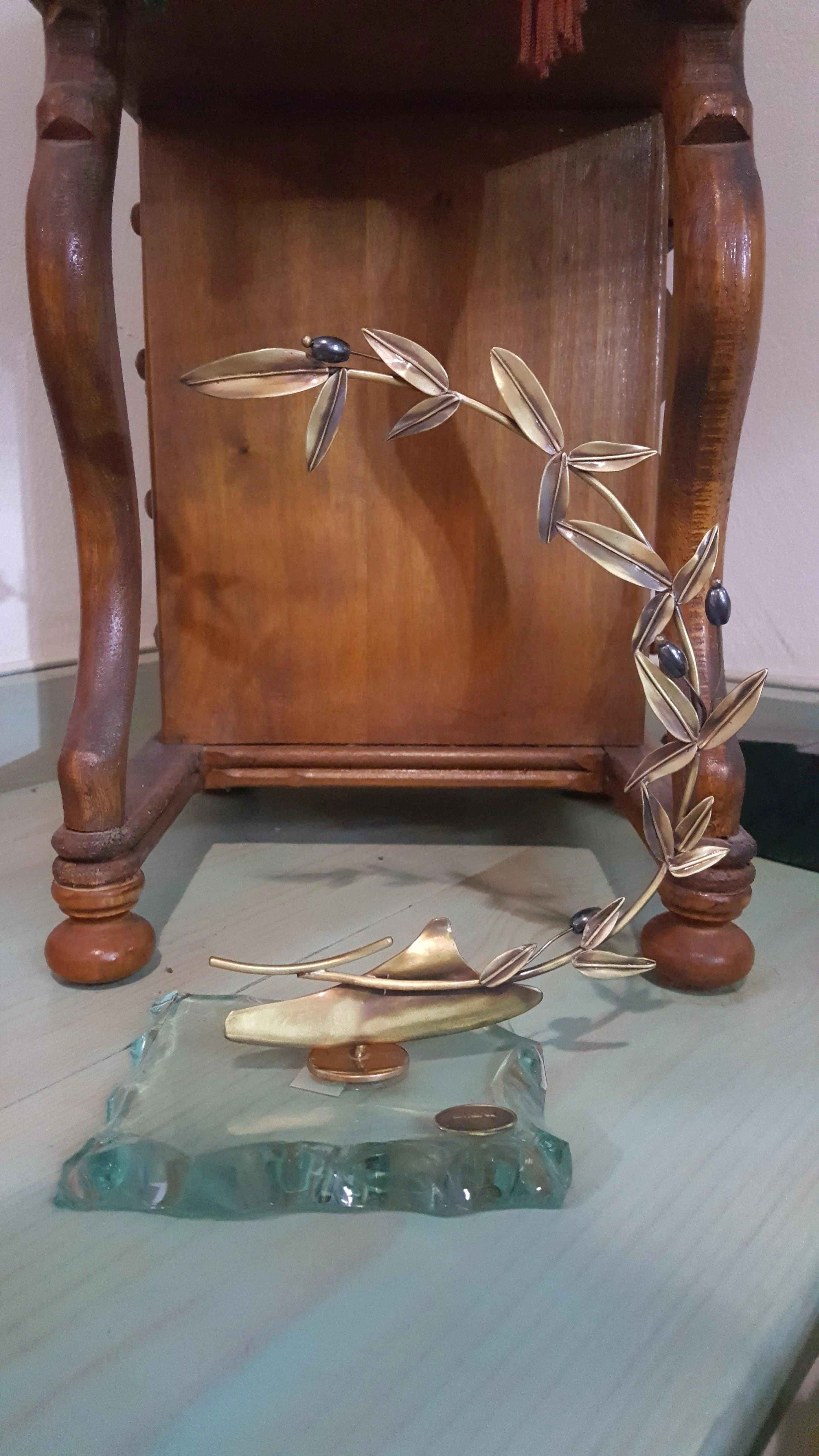
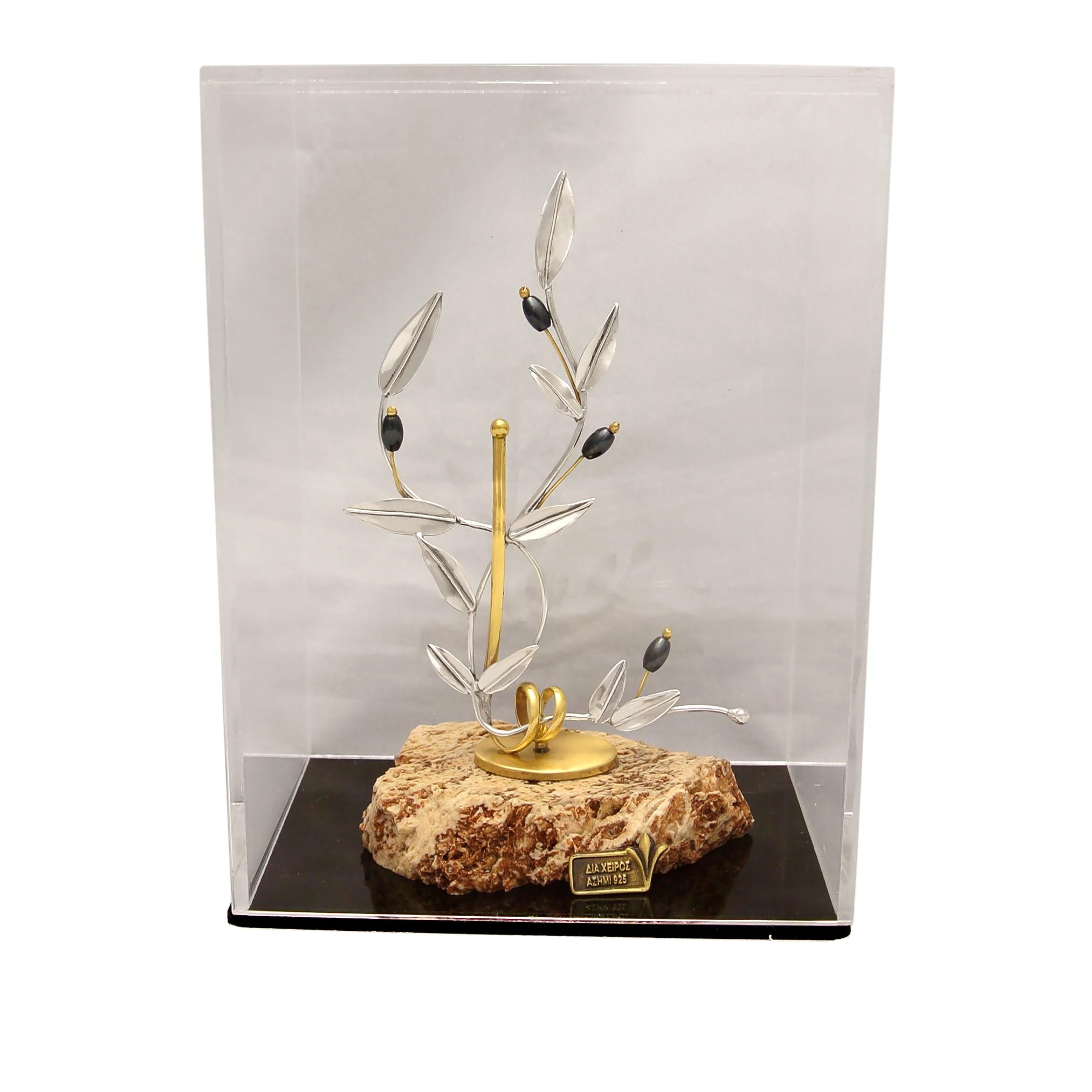
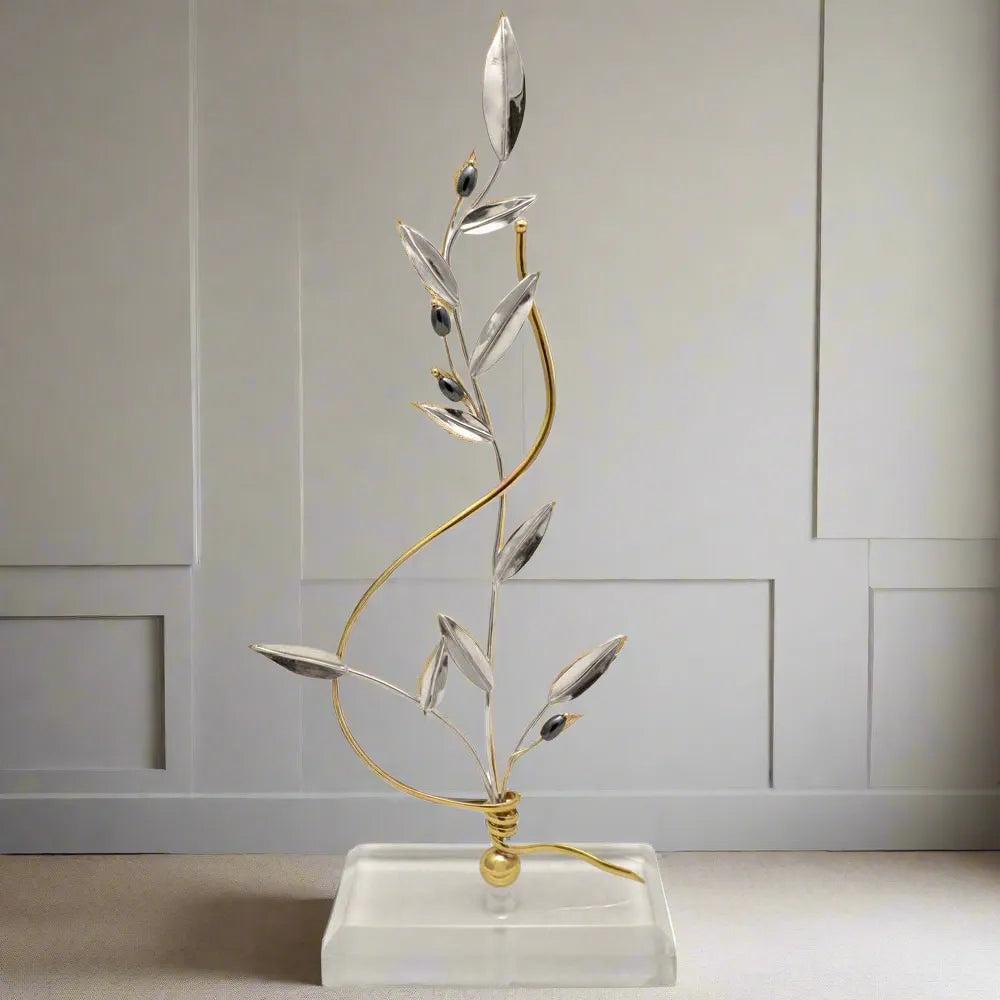
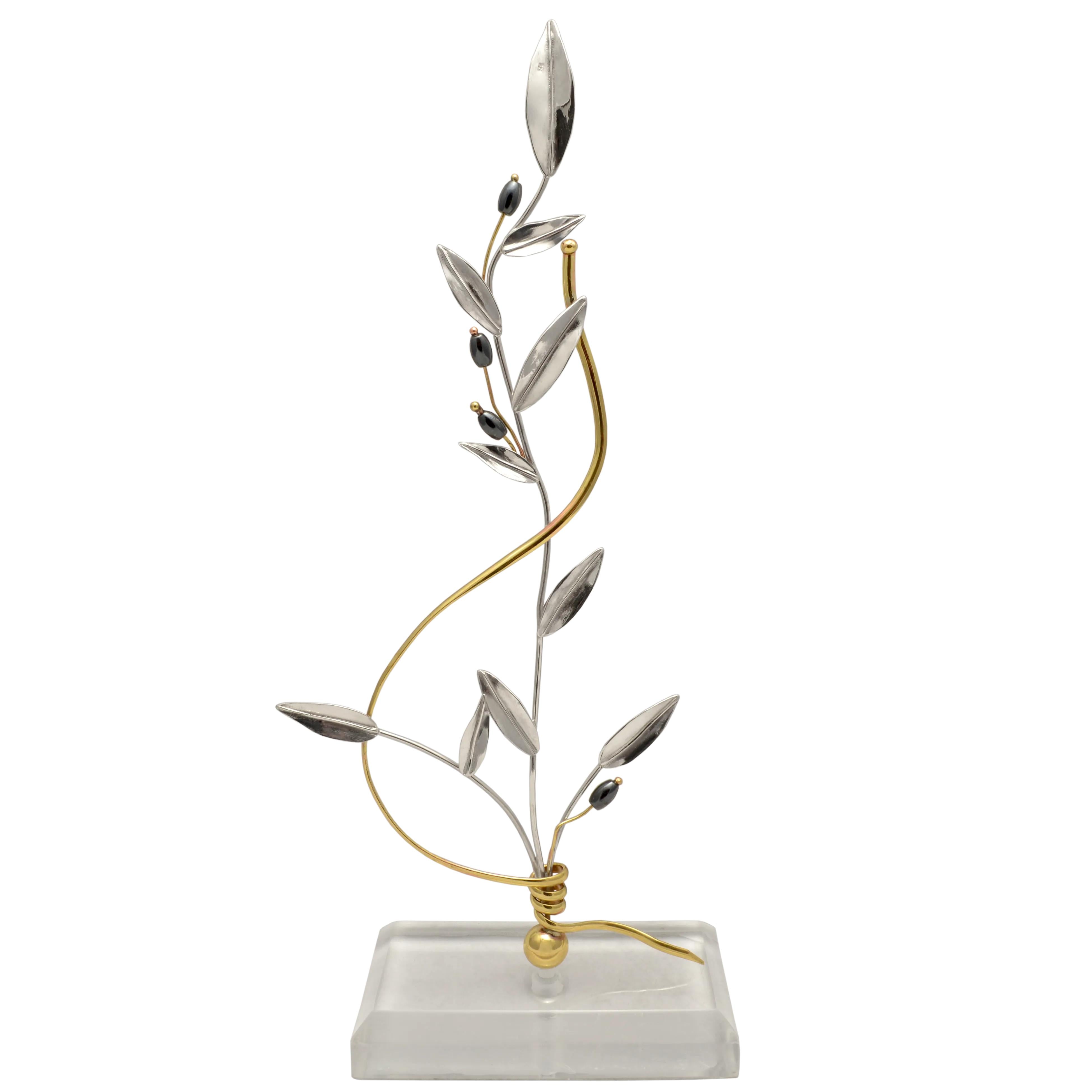
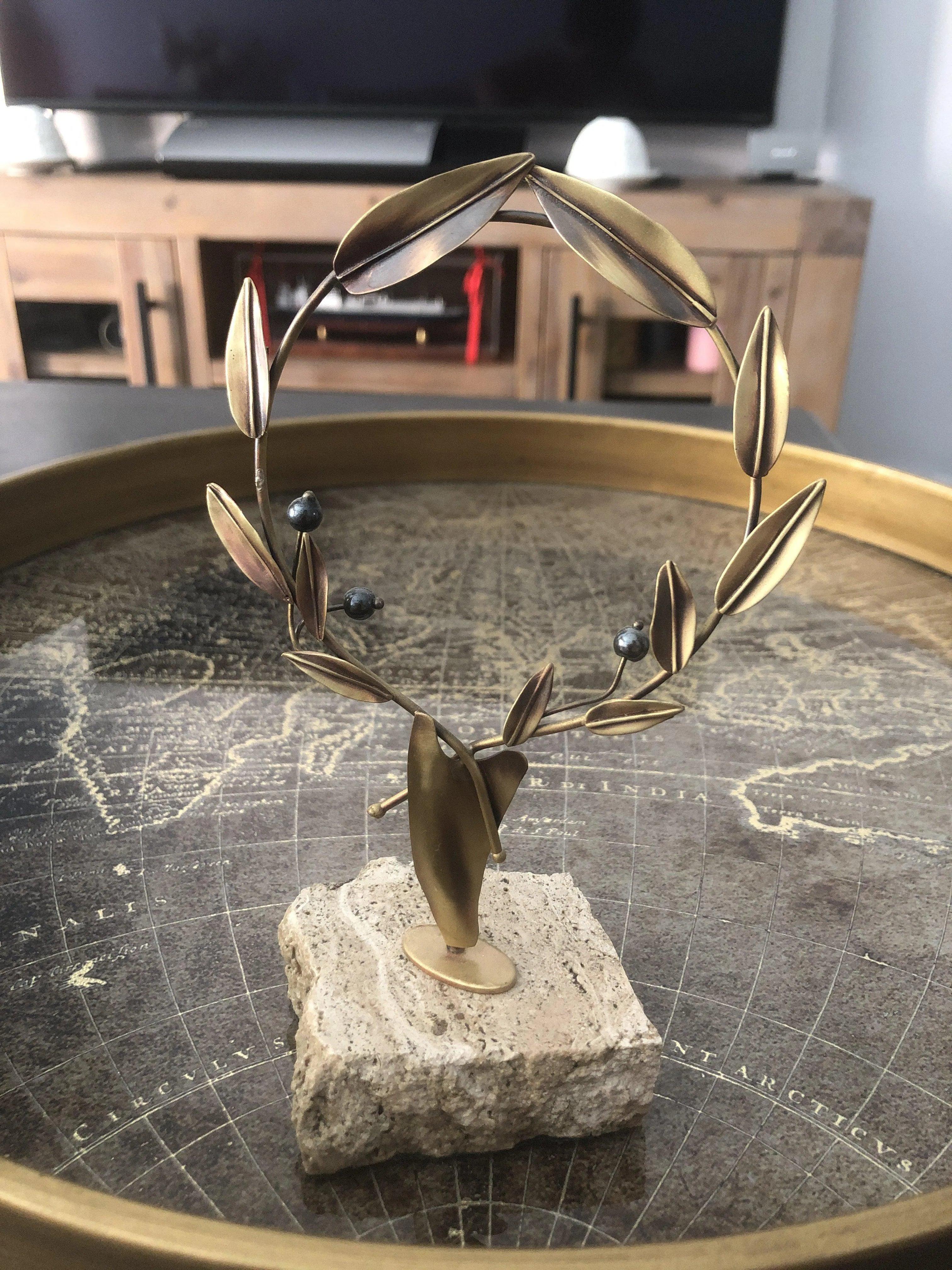
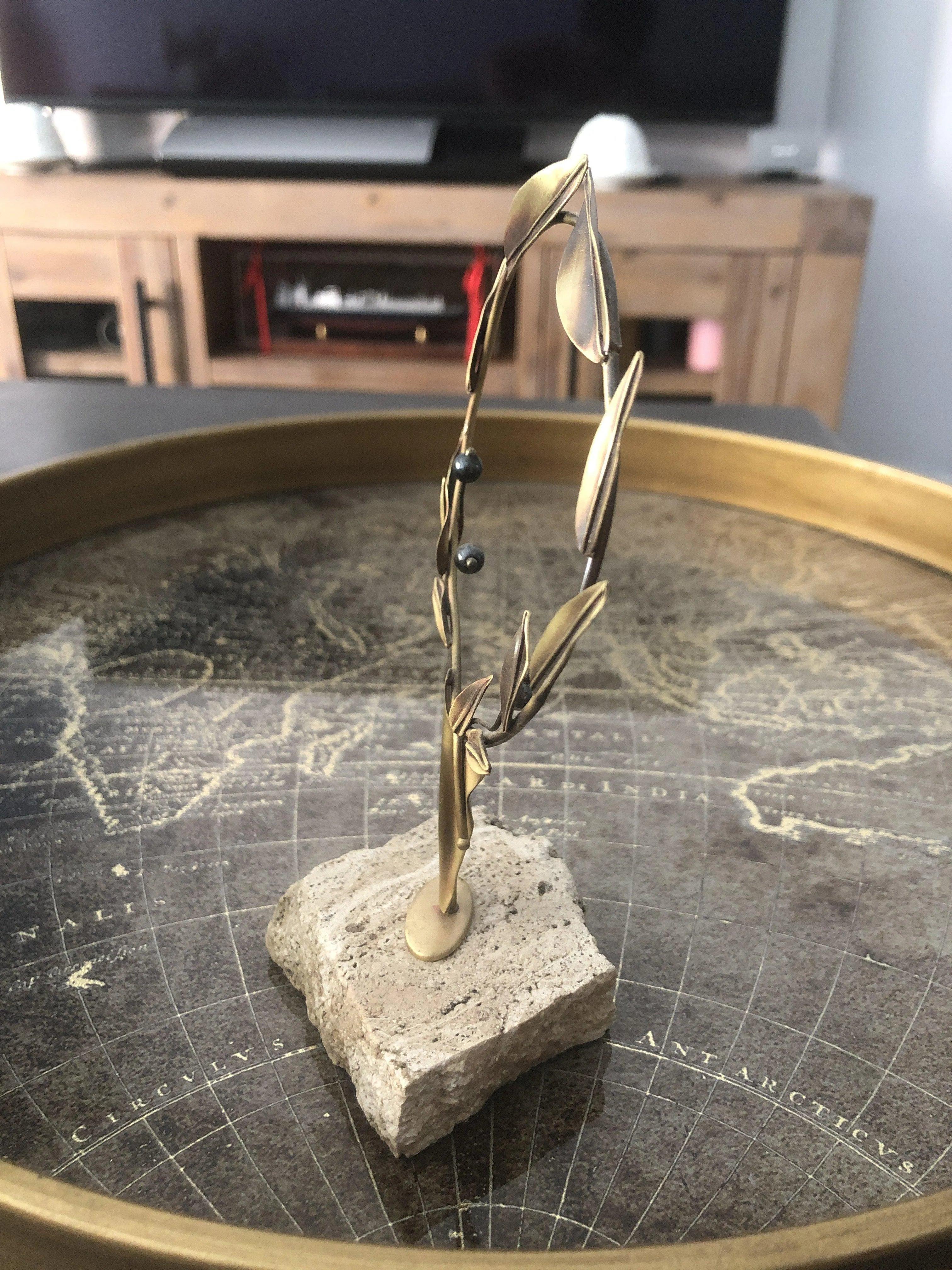
At Eleftheriou EL, we draw inspiration from this remarkable piece of Greek heritage to create handcrafted interpretations of the olive branch and Kotinos.
Our olive branches and wreaths are carefully handmade in Greece from 925 sterling silver or bronze and presented on solid wood or natural limestone stands.
The combination of handcrafted metalwork with natural materials creates a contemporary interpretation of an ancient symbol, bringing together Greek history, craftsmanship, and modern design.
Each piece is created to be more than a decorative object. It is a meaningful expression of achievement, heritage, and timeless Greek craftsmanship.
A Symbol of Achievement That Endures
The ancient Olympic Games disappeared centuries ago, but the symbolism of the Kotinos has never truly faded.
The olive wreath continues to remind us of the value of dedication, excellence, and achievement—and of a time when the greatest reward was not wealth, but honor.
From the athletes of ancient Olympia to the achievements we celebrate today, the Kotinos remains a beautiful symbol of what it means to strive, accomplish, and be remembered.
Discover the Kotinos Collection
Explore our handmade Kotinos olive branches and wreaths, crafted in Greece from sterling silver or bronze and presented on solid wood or natural limestone stands.
Discover a timeless symbol of Greek heritage, reinterpreted through contemporary craftsmanship.