
Long before Classical Greece became known for its temples, philosophers, and sculptors, another remarkable civilization flourished on the island of Crete.
The Minoans created a sophisticated culture known for its distinctive art, architecture, craftsmanship, and close relationship with the natural world. Their artistic legacy remains one of the most fascinating chapters in the history of the Aegean.
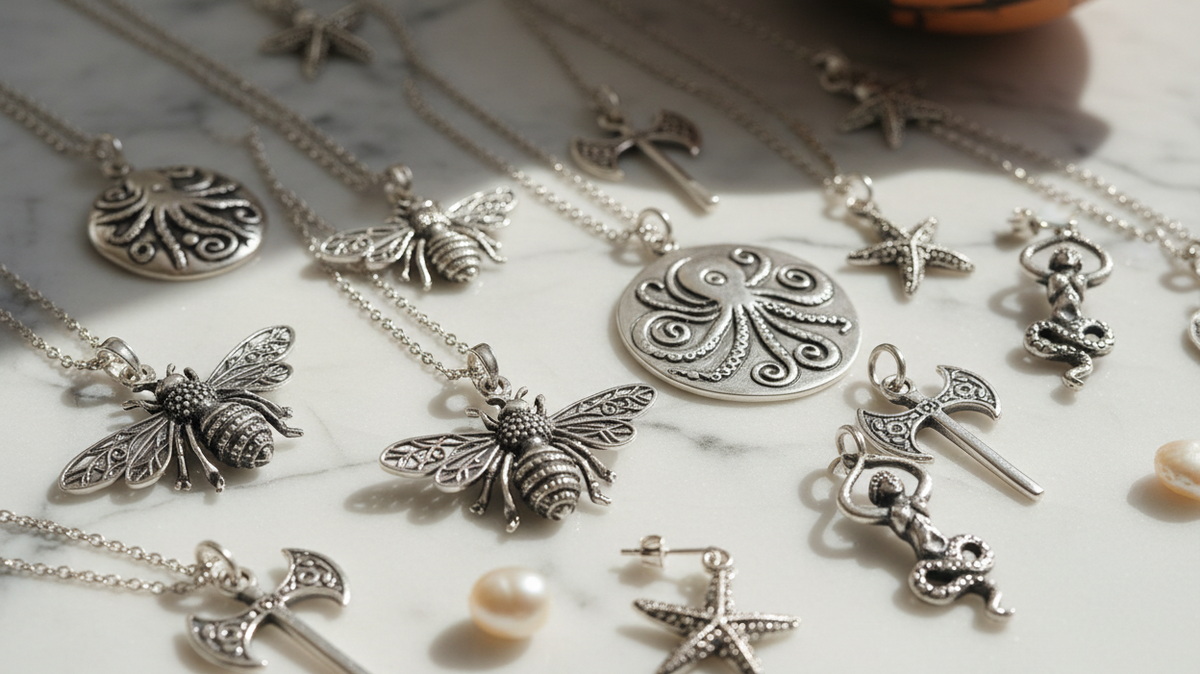
Thousands of years later, Minoan art continues to inspire contemporary designers and artisans—including the creations of our Minoan Collection.
Who Were the Minoans?
The Minoan civilization flourished on Crete during the Bronze Age, reaching its height during the second millennium BC.
The name "Minoan" was introduced by archaeologists in the modern era and is traditionally associated with the legendary King Minos of Crete. The people themselves did not leave behind a written record that allows us to know what they called their civilization.
Minoan society developed around important centers including Knossos, Phaistos, Malia, and Zakros, which became remarkable hubs of architecture, craftsmanship, trade, and artistic expression.
The Palace of Knossos
Perhaps the most famous symbol of Minoan civilization is the Palace of Knossos.
Located near modern-day Heraklion, Knossos was a major center of Minoan Crete. Its complex architecture, elaborate rooms, courtyards, storage areas, and richly decorated surfaces offer an extraordinary glimpse into the sophistication of the civilization.
The colorful frescoes discovered at Knossos and other archaeological sites reveal a culture fascinated by movement, nature, ceremony, and the world around it.
A Love of Nature
One of the most distinctive characteristics of Minoan art is its connection with nature.
Artists depicted flowers, plants, birds, marine life, and animals with remarkable detail and movement. Rather than representing nature as something static, Minoan artists often portrayed it as energetic and alive.
Marine motifs were particularly important. Octopuses, dolphins, shells, fish, and other sea creatures appear in pottery and decorative art, reflecting the importance of the surrounding Mediterranean Sea to life on Crete.
This connection between art and nature is one of the reasons Minoan design continues to feel surprisingly modern.
The Dolphin and the Sea
The sea was central to Minoan life.
Crete's position in the eastern Mediterranean connected it to important trading networks, allowing Minoan culture to interact with other civilizations throughout the Aegean and beyond.
The dolphin became one of the most recognizable motifs in Minoan art. Its appearance in frescoes and pottery reflects the importance of marine life within the artistic imagination of ancient Crete.
The flowing forms of marine creatures, plants, and natural elements created an artistic language that feels both sophisticated and timeless.
The Minoan Goddess and the Natural World
Minoan religious practices remain an area of ongoing archaeological study, and many aspects of Minoan beliefs are still debated.
Archaeological discoveries, however, reveal the importance of female figures, animals, plants, and sacred natural spaces in Minoan imagery.
The famous Snake Goddess figurines discovered at Knossos are among the most recognizable objects associated with Minoan art. Their exact meaning and function remain subjects of scholarly discussion, but they demonstrate the distinctive artistic character of the civilization.
This combination of mystery, symbolism, and natural imagery gives Minoan art much of its enduring fascination.
Minoan Jewelry and Craftsmanship
Jewelry was an important part of Minoan artistic culture.
Archaeological discoveries have revealed finely crafted gold jewelry, beads, pendants, seals, and other ornaments, demonstrating the skill of ancient Cretan artisans.
Minoan craftsmen worked with precious materials and created intricate designs inspired by the natural world. Floral forms, animals, marine creatures, and geometric patterns were transformed into objects of personal adornment.
Their work demonstrates that jewelry in the ancient world could be far more than decoration—it could express identity, status, belief, and connection to culture.
Why Minoan Art Still Feels Modern
There is something remarkably contemporary about Minoan design.
Its flowing lines, organic forms, asymmetry, and natural motifs are very different from the more formal visual language often associated with Classical Greek art.
Minoan artists frequently embraced movement and fluidity. Their designs seem to grow, twist, and move across surfaces rather than remaining confined to rigid geometric structures.
This distinctive aesthetic continues to influence contemporary art, architecture, fashion, and jewelry design.
From Ancient Crete to Contemporary Greece
At Eleftheriou EL, the Minoan Collection draws inspiration from this extraordinary artistic heritage.
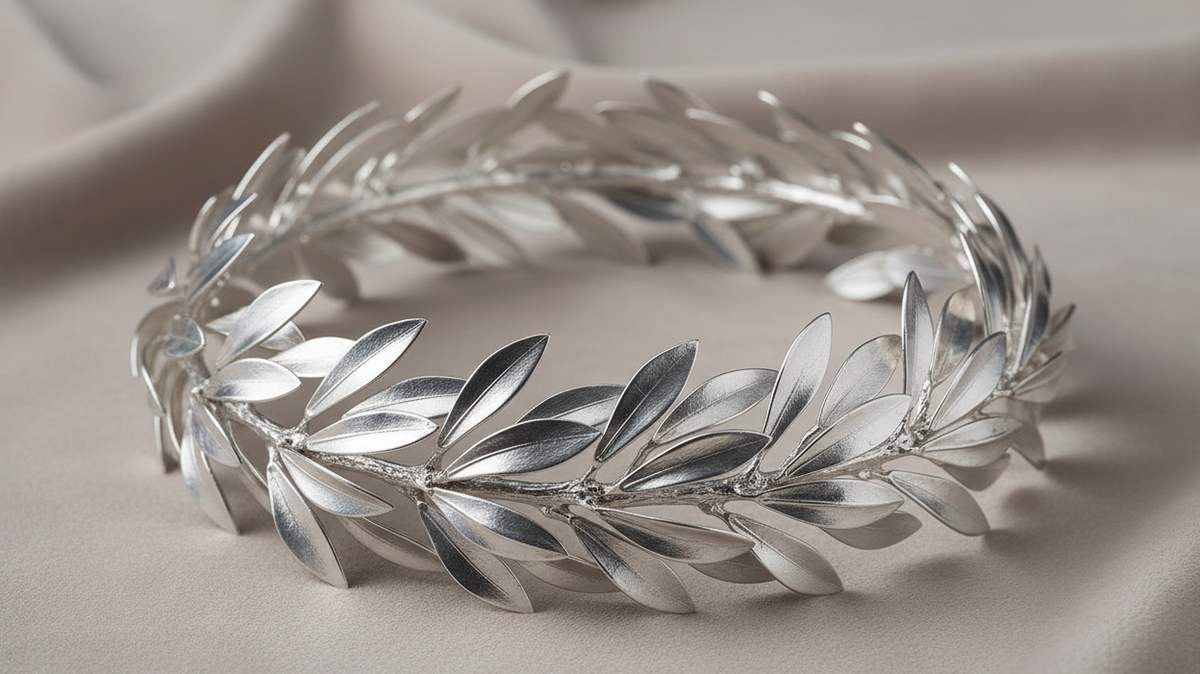
Our designs reinterpret elements associated with ancient Crete through contemporary Greek craftsmanship, creating jewelry that connects an ancient artistic tradition with modern elegance.
Inspired by the forms, symbols, and natural imagery of Minoan art, each creation is handcrafted in Greece and designed to carry a sense of history while remaining effortlessly wearable today.
A Connection to the Aegean
The Minoan civilization reminds us that the history of Greece is not a single story.
It is a collection of civilizations, islands, artistic traditions, myths, and cultural influences that developed over thousands of years.
From the Bronze Age world of Crete to the Classical period and beyond, Greek art has continually evolved while maintaining a deep connection to its past.
The Minoan Collection celebrates one of the earliest and most distinctive chapters of that story.
An Ancient Legacy, Reimagined
The Minoans left behind no modern brand, no written design manual, and no simple explanation of everything their art represented.
What remains are fragments—palaces, frescoes, pottery, jewelry, sculptures, and symbols that allow us to glimpse a fascinating civilization from thousands of years ago.
Those fragments continue to inspire.
At Eleftheriou EL, we transform that inspiration into contemporary handcrafted jewelry, preserving the connection between Greek heritage, artistic expression, and skilled craftsmanship.
Discover the Minoan Collection
Explore our Minoan Collection, inspired by the artistic legacy of ancient Crete and handcrafted in Greece.
Discover jewelry that brings the spirit of the Aegean and one of Europe's earliest great civilizations into the present day.