
Few figures from the ancient world have captured the imagination of generations quite like Alexander the Great. More than two thousand years after his death, his name continues to evoke ideas of ambition, courage, leadership, exploration, and cultural exchange.
His extraordinary life and the world he helped shape continue to inspire artists, historians, and designers—including the creations of our Alexander the Great Collection.
Who Was Alexander the Great?
Alexander III of Macedon, known throughout history as Alexander the Great, was born in 356 BC in Pella, the capital of ancient Macedon.
He became king of Macedon in 336 BC, at just twenty years old, following the death of his father, Philip II. Within a remarkably short period, Alexander established an empire that stretched from Greece and Egypt across Persia and into parts of Central and South Asia.
His military achievements were extraordinary, but his historical significance extends far beyond his victories.
A Journey That Changed the Ancient World
Alexander’s campaigns brought the Greek world into sustained contact with cultures across a vast geographical area.
Following his conquests, Greek language, artistic traditions, architecture, philosophy, and political ideas spread throughout territories that had previously belonged to different cultural and political worlds.
This period became known as the Hellenistic Age, a period in which Greek and local traditions interacted and evolved in new ways.
One particularly important legacy was the widespread use of Koine Greek, which became a common language across much of the Hellenistic world.
Alexander’s conquests therefore created connections between cultures that would continue long after his death.
The Image of Alexander
Alexander’s image became an important part of his legacy.
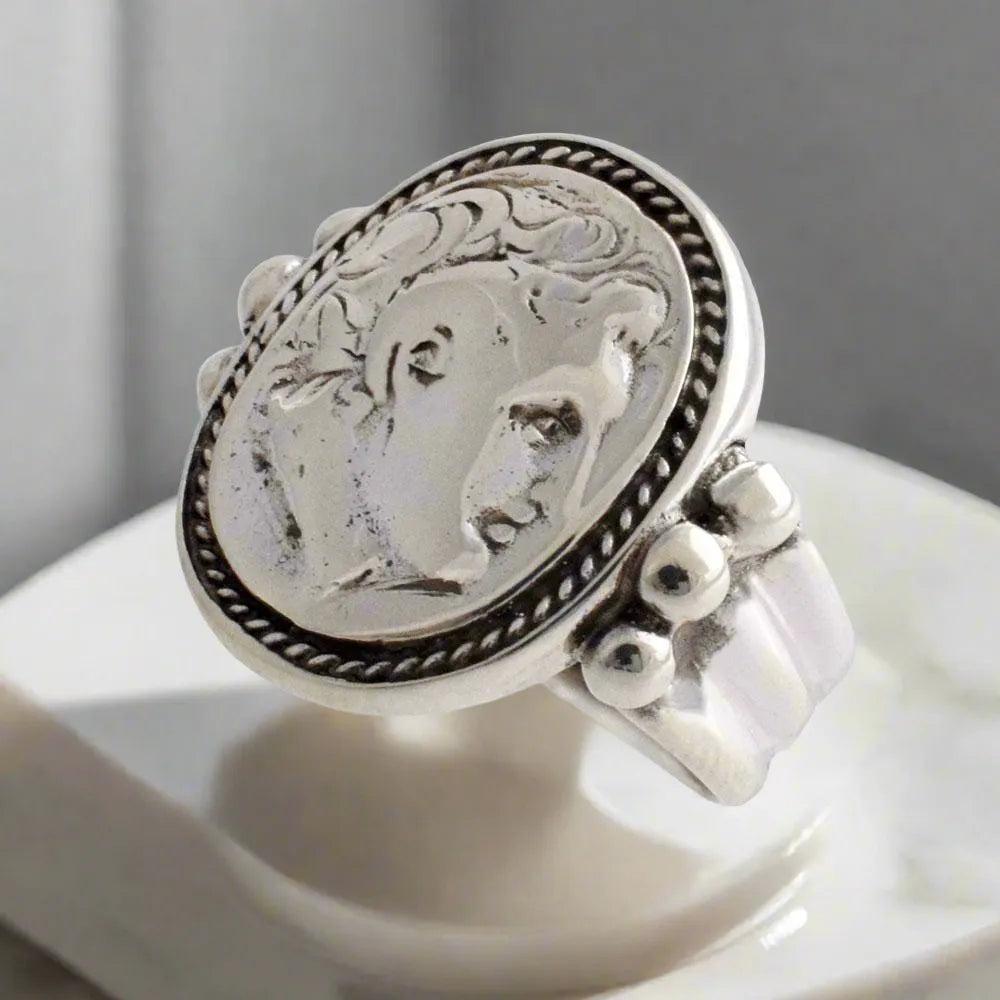
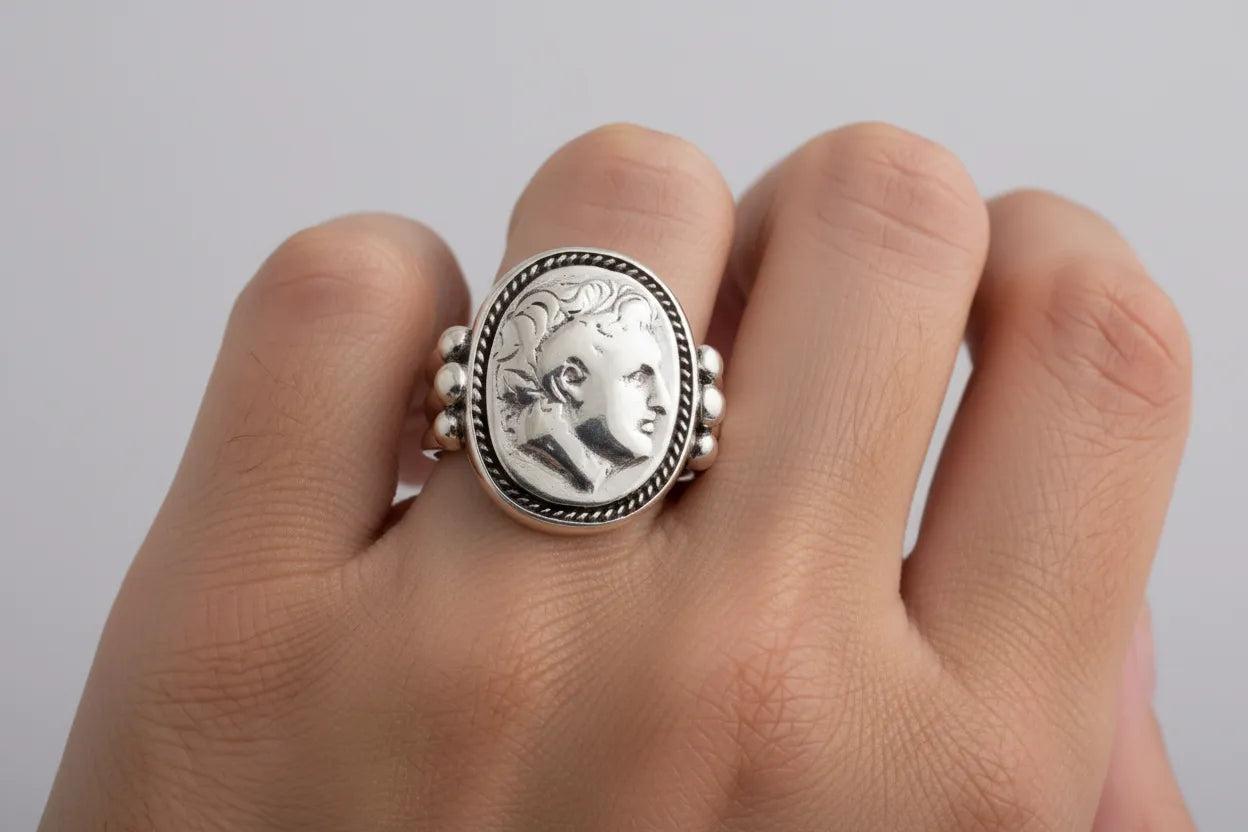
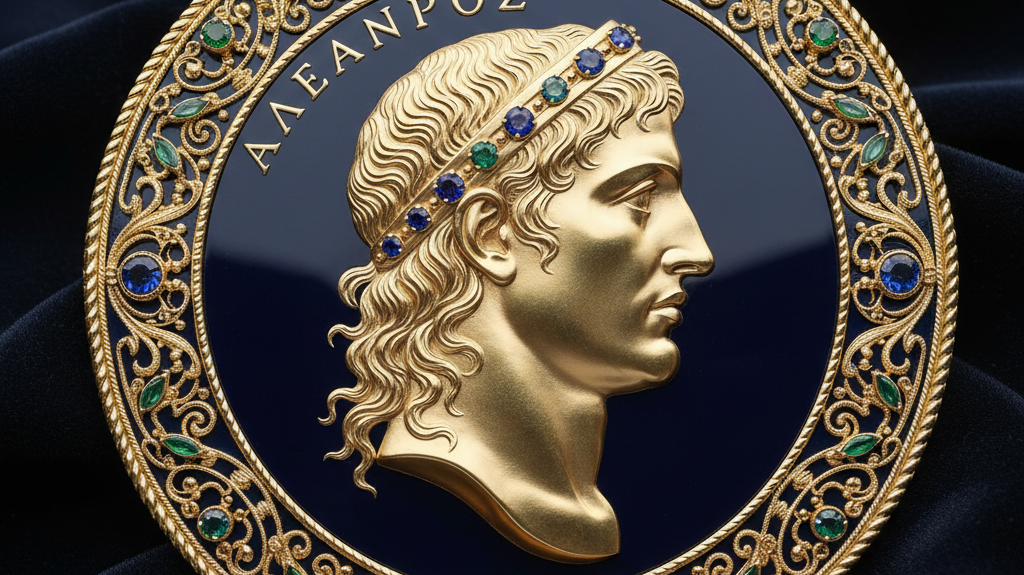
Ancient artists created portraits of him, and surviving sculptures, gemstones, and coins provide evidence of how his likeness was represented. The British Museum notes that ancient literary sources associate Alexander’s official portraiture with renowned artists including the sculptor Lysippos and the painter Apelles. (Βρετανικό Μουσείο)
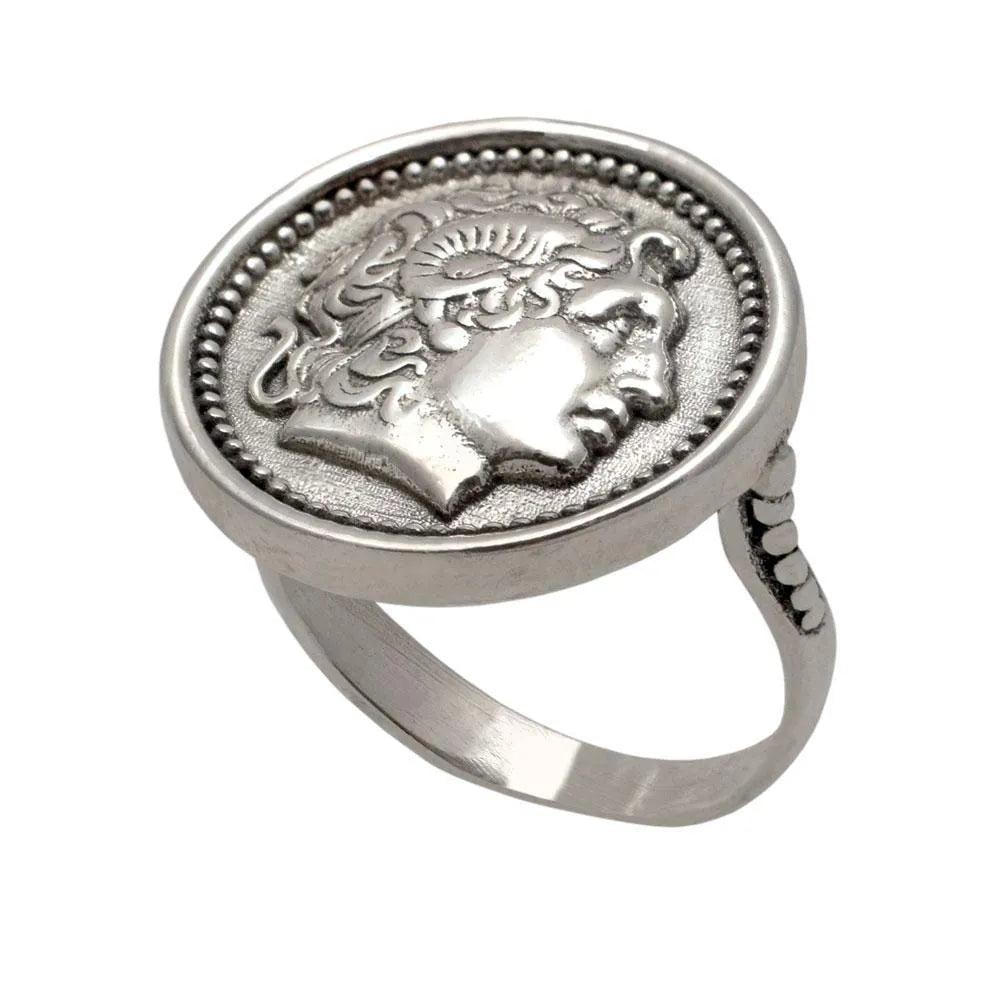
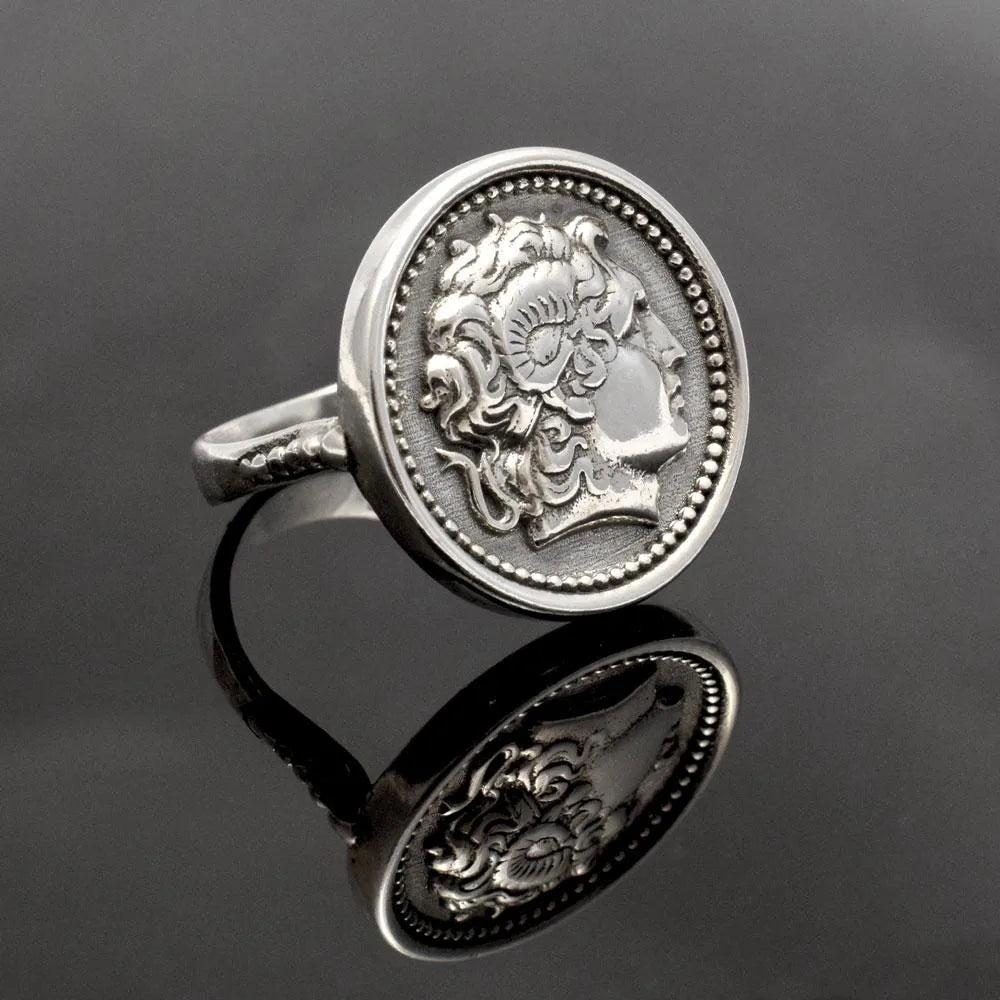
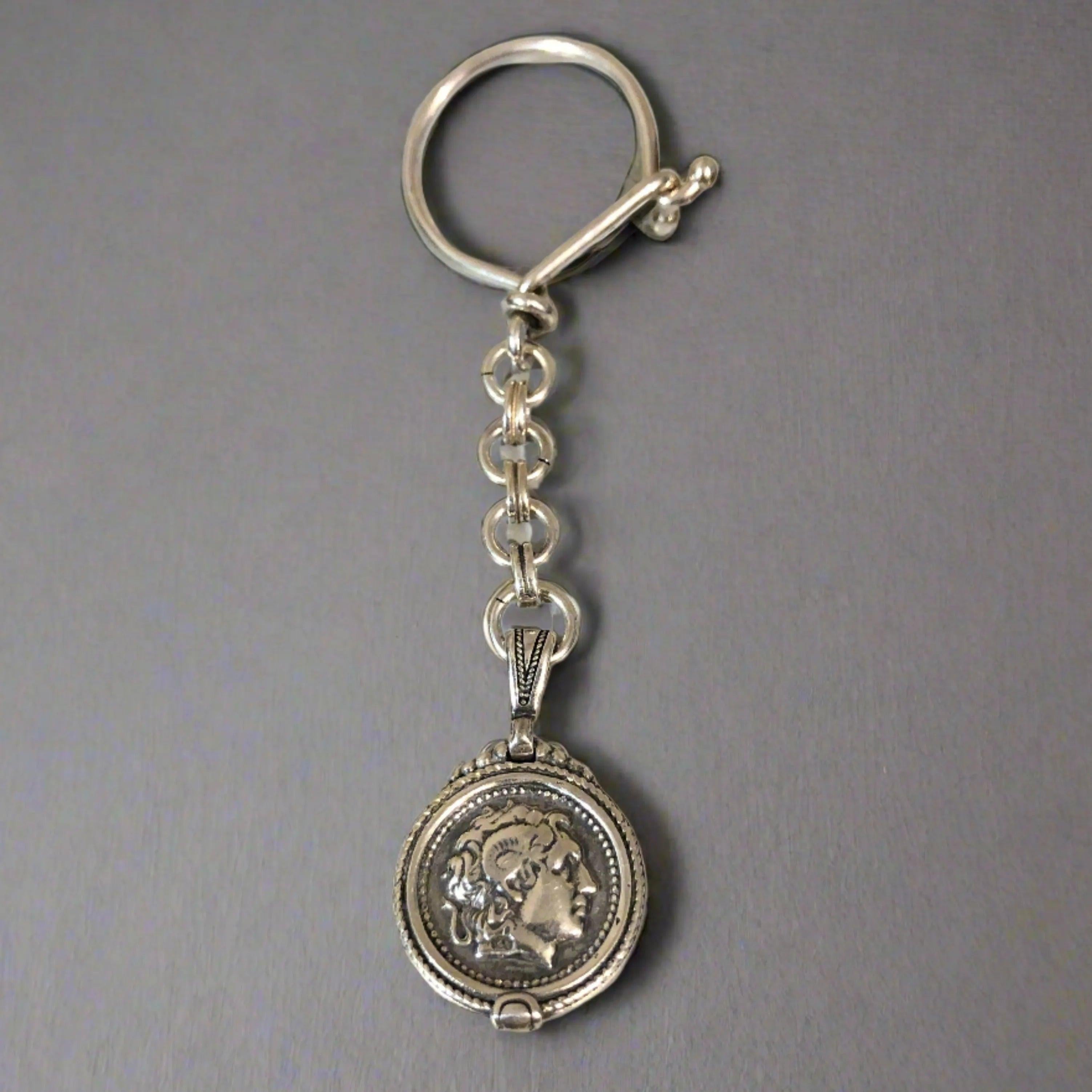
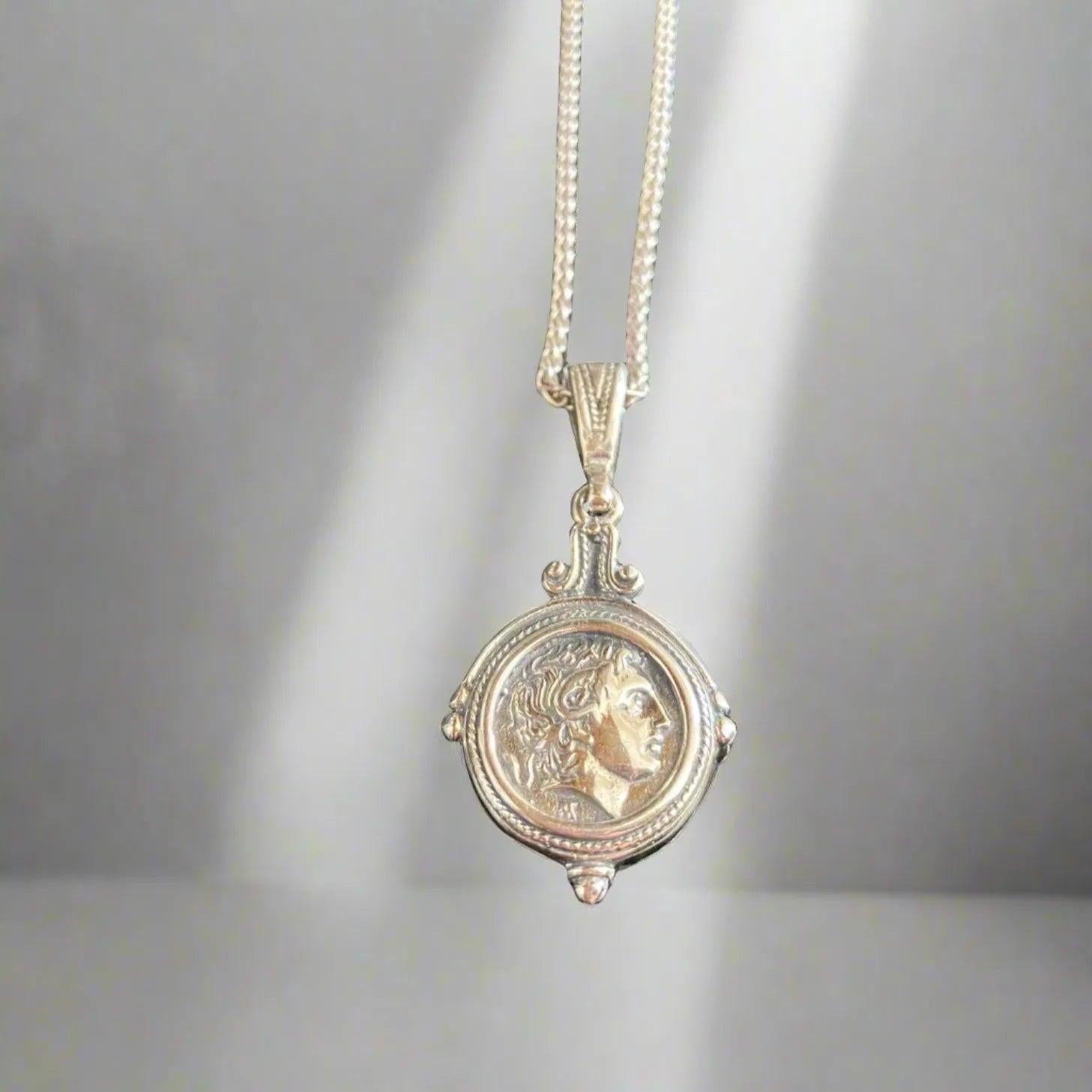
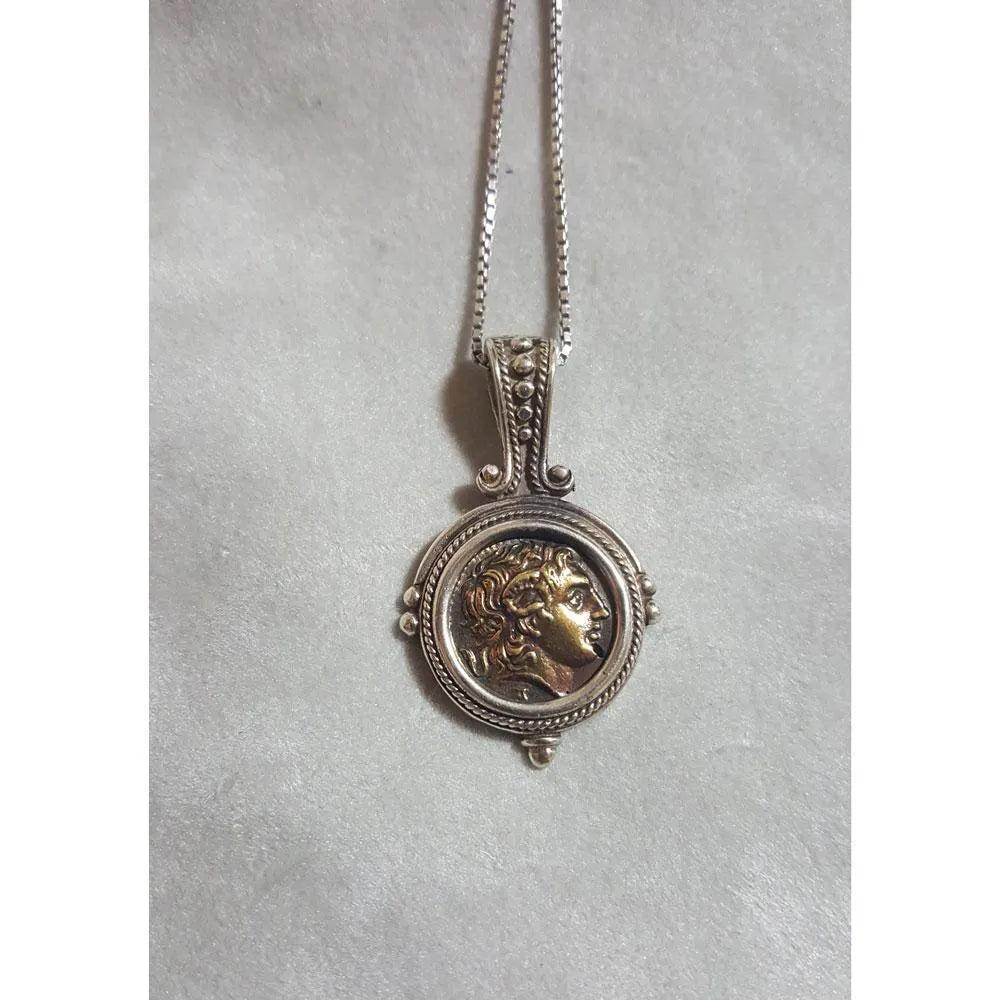
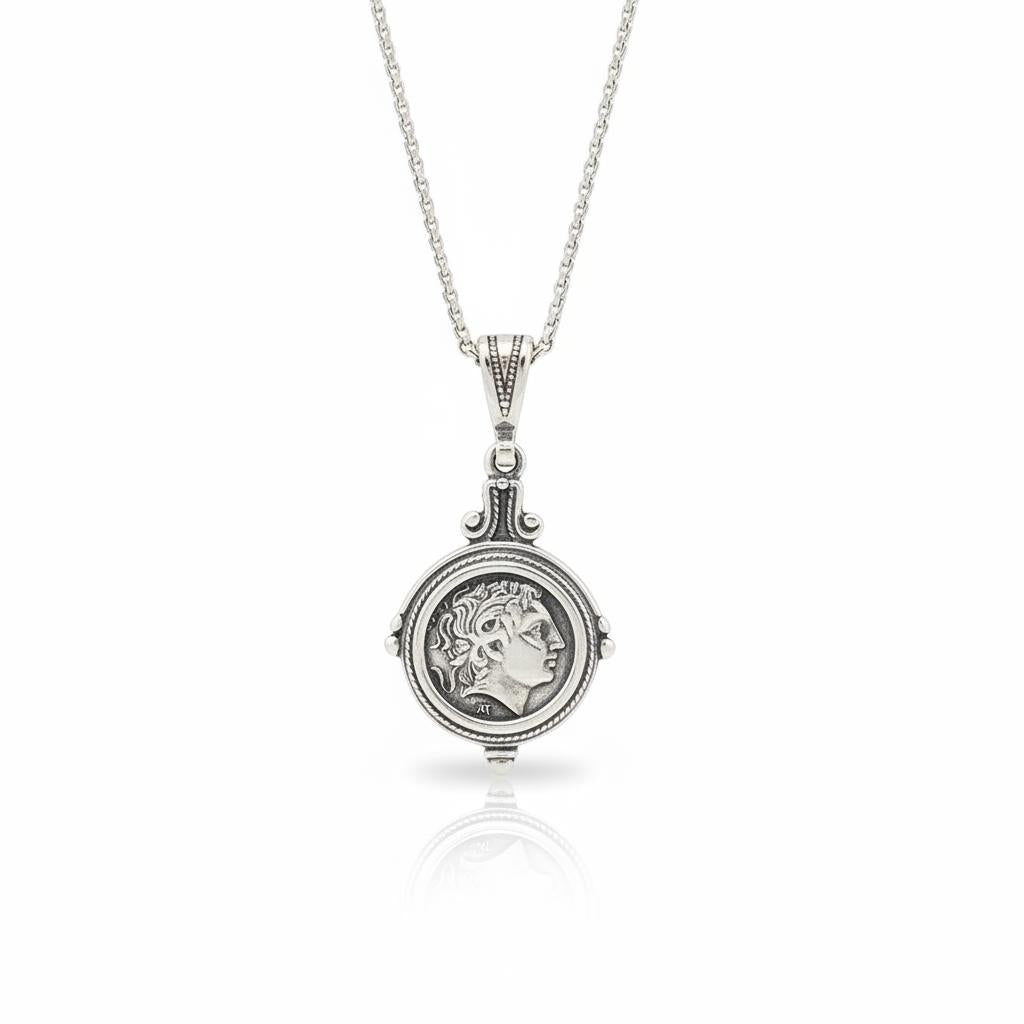
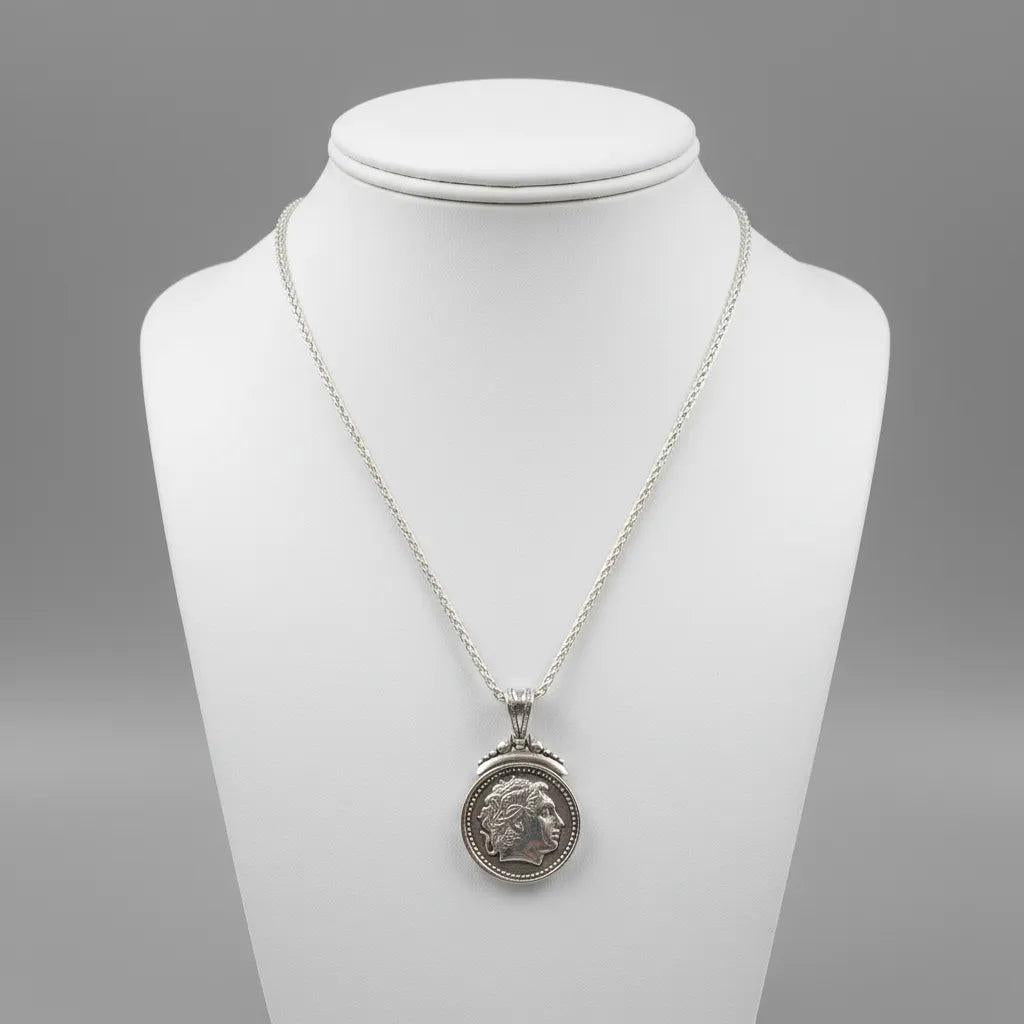
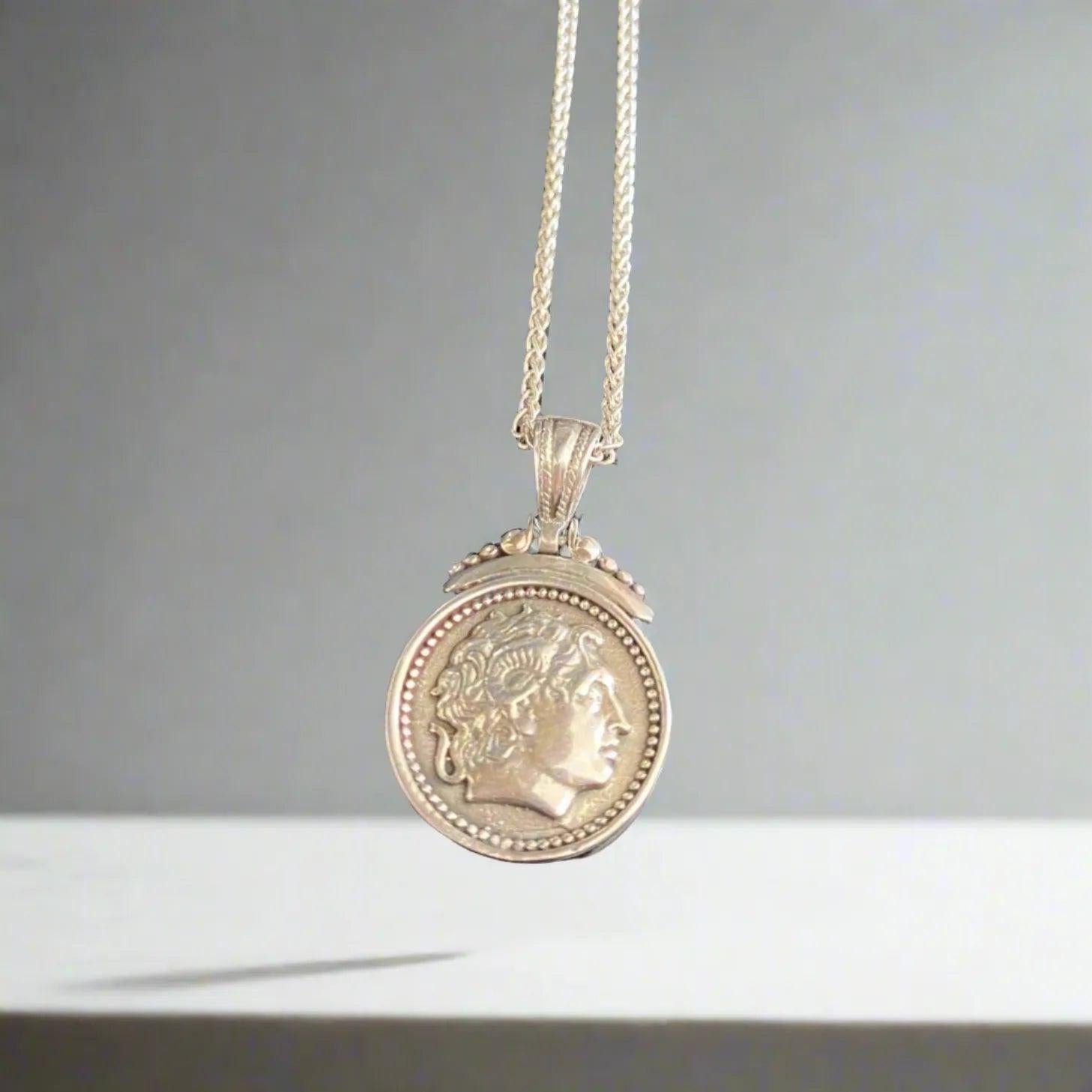
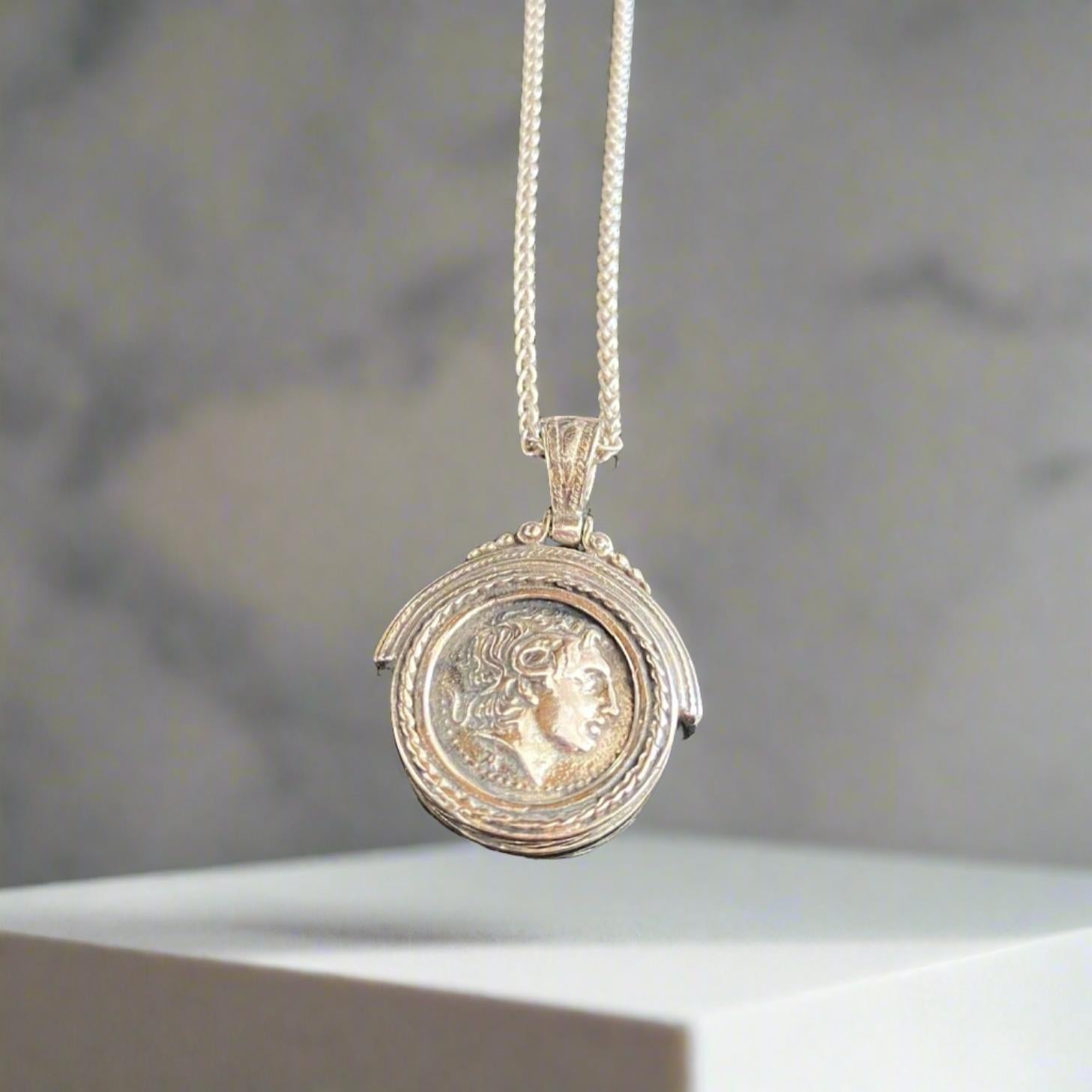
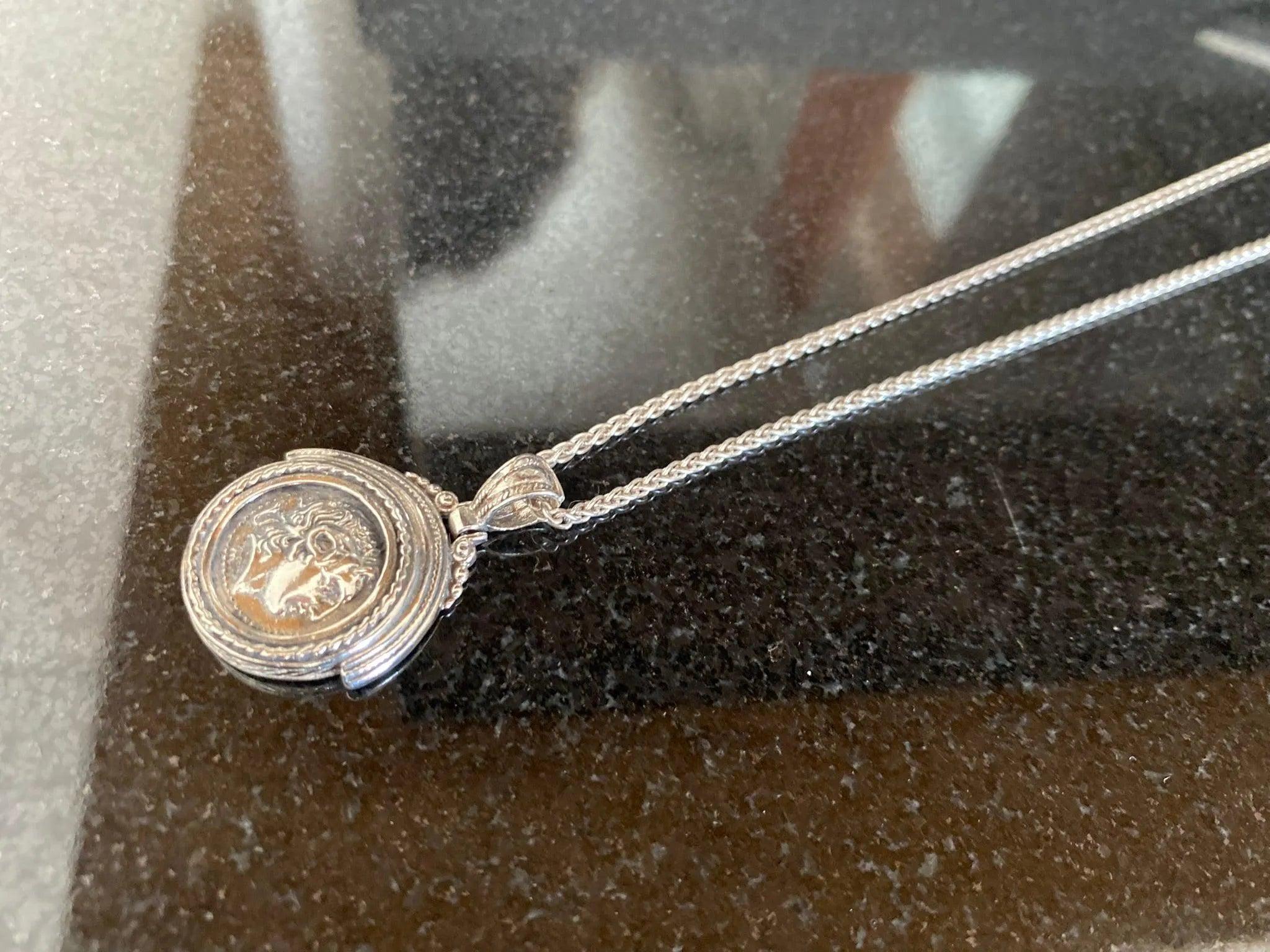
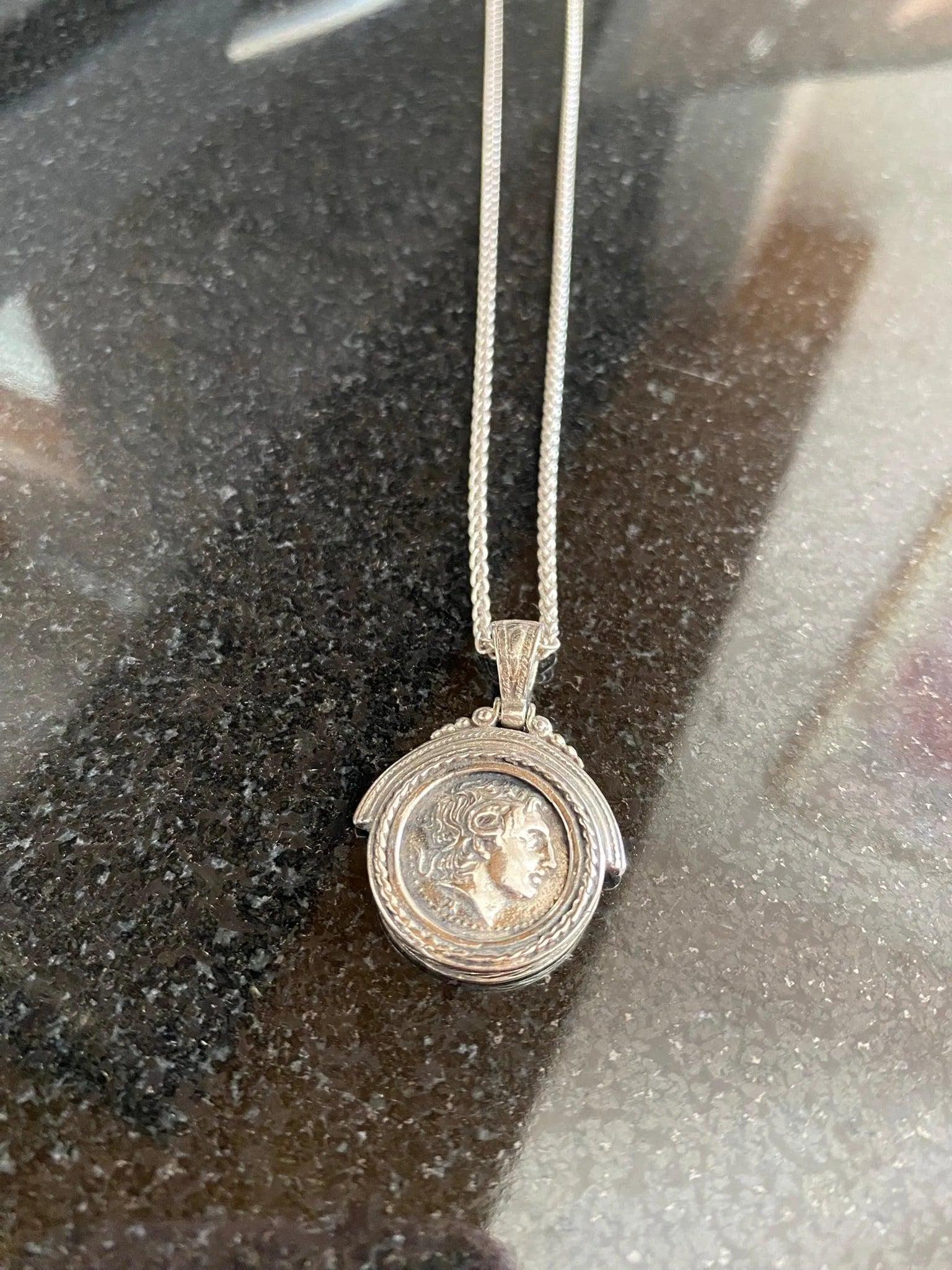
His image also appeared on coins produced during and after his lifetime. Some later Hellenistic rulers portrayed Alexander with distinctive attributes, reinforcing his status as an enduring symbol of power and legitimacy. One famous example in the British Museum collection depicts Alexander wearing a diadem and the horn of Ammon. (Βρετανικό Μουσείο)
These ancient representations have helped preserve the visual legacy of Alexander for more than two millennia.
Symbols of a Legendary Legacy
The artistic world surrounding Alexander is rich with symbols.
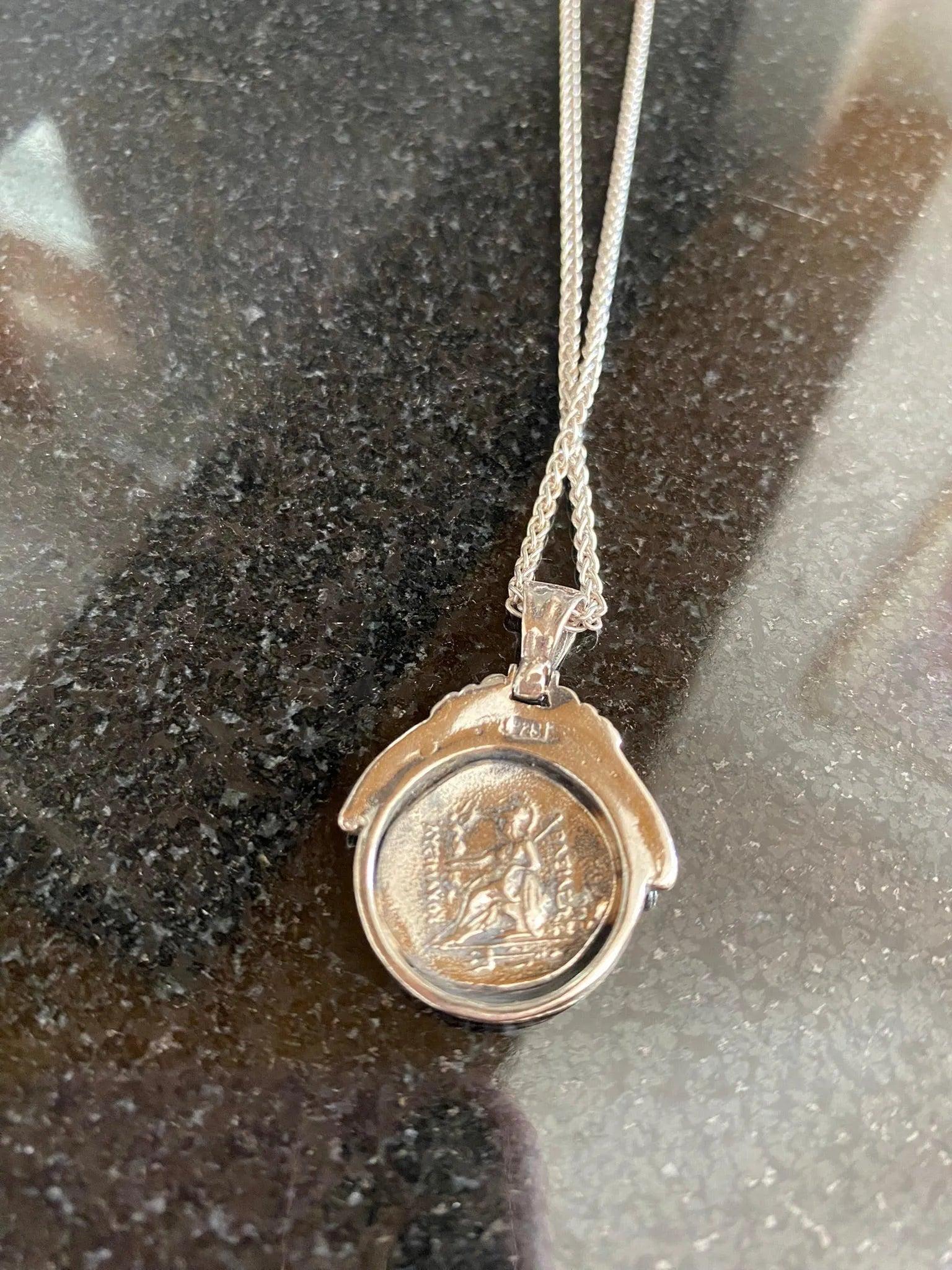
Ancient coinage connected with Alexander’s reign and his successors features imagery associated with Greek mythology and royal power. Among the recurring figures are Herakles, Zeus, Athena, and Nike. (Βρετανικό Μουσείο)
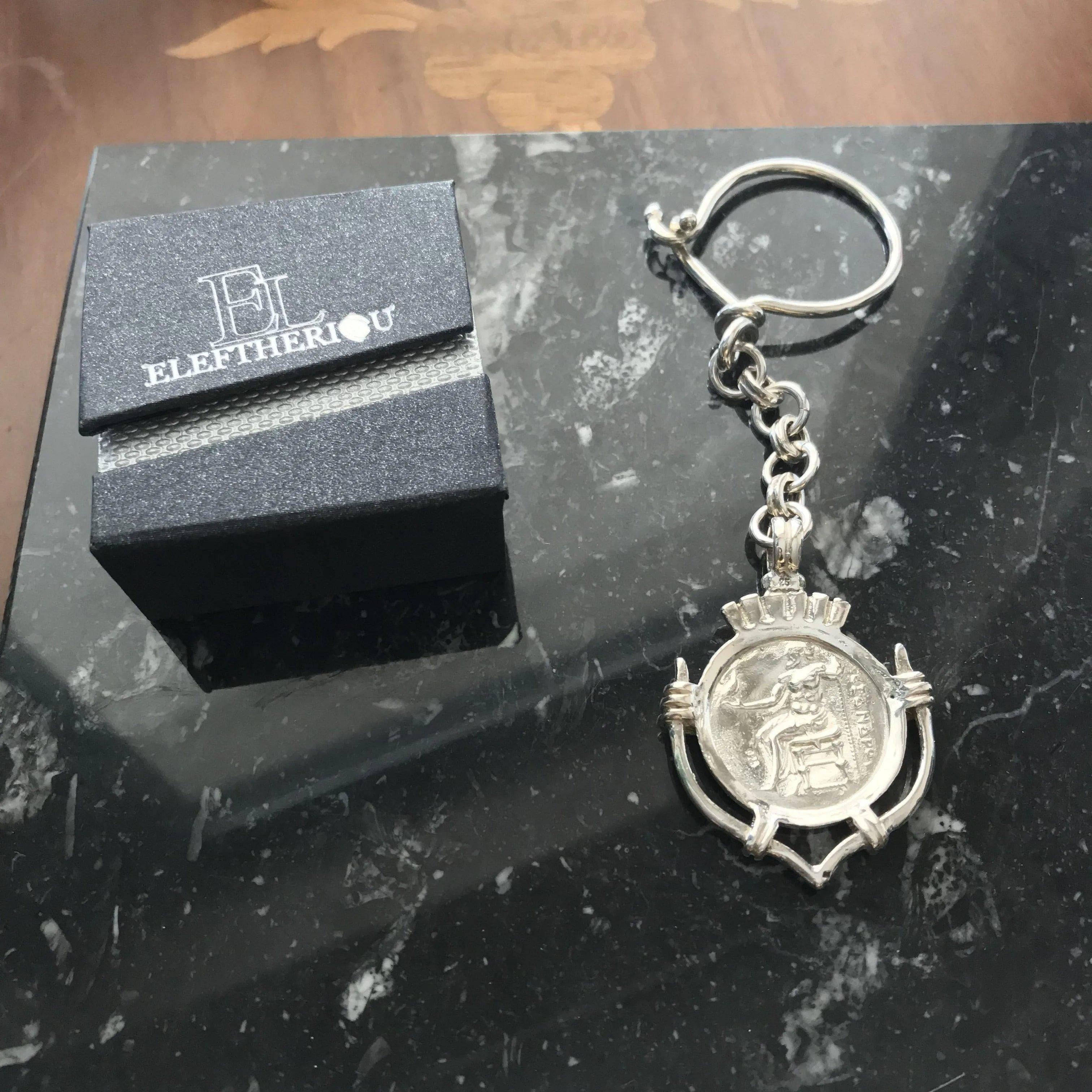
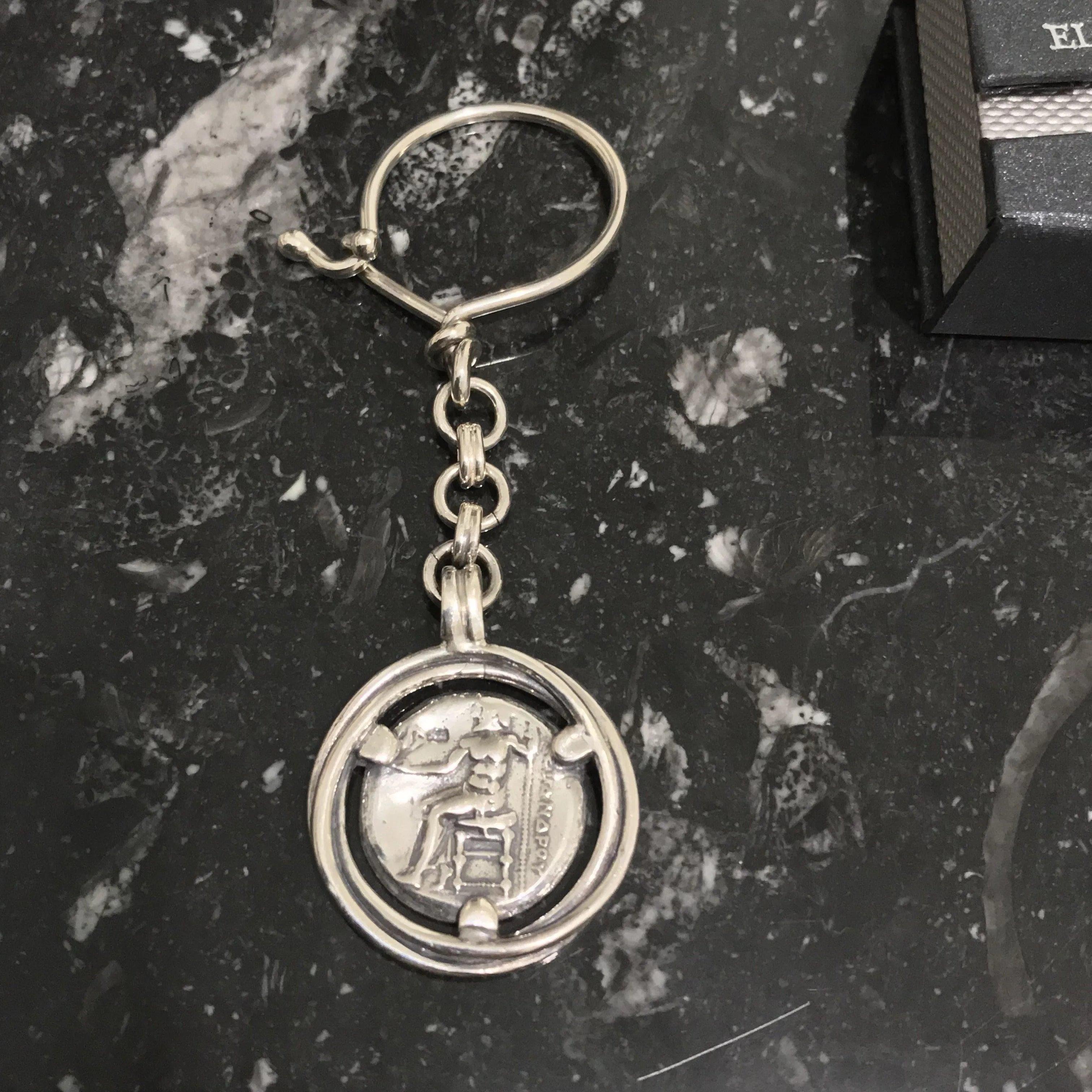
Herakles, depicted wearing the skin of the Nemean lion, appears on coinage issued in Alexander’s name. Zeus is shown seated with an eagle and sceptre on other silver coins. (Βρετανικό Μουσείο)
These powerful images provide a fascinating window into the visual language of the ancient Macedonian and Hellenistic worlds.
Why Alexander the Great Still Inspires Us
Alexander’s story continues to fascinate because it represents much more than military conquest.
His life is associated with vision, determination, courage, leadership, and an extraordinary willingness to explore beyond the known world.
At the same time, his legacy is complex. His campaigns involved warfare, conquest, and enormous human cost, and historians continue to debate many aspects of his ambitions and policies.
What remains undeniable is the scale of his historical impact and the cultural transformations that followed his conquests.
From Ancient History to Modern Craftsmanship
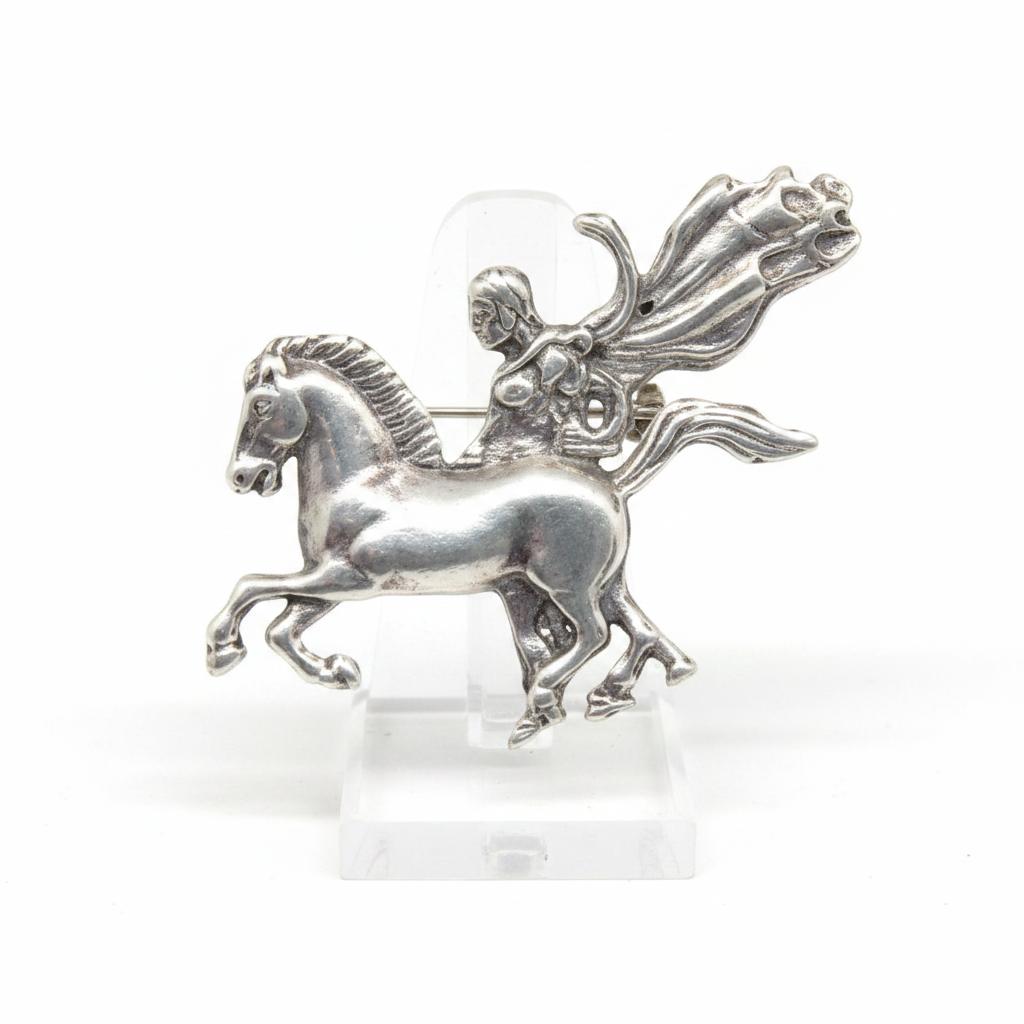
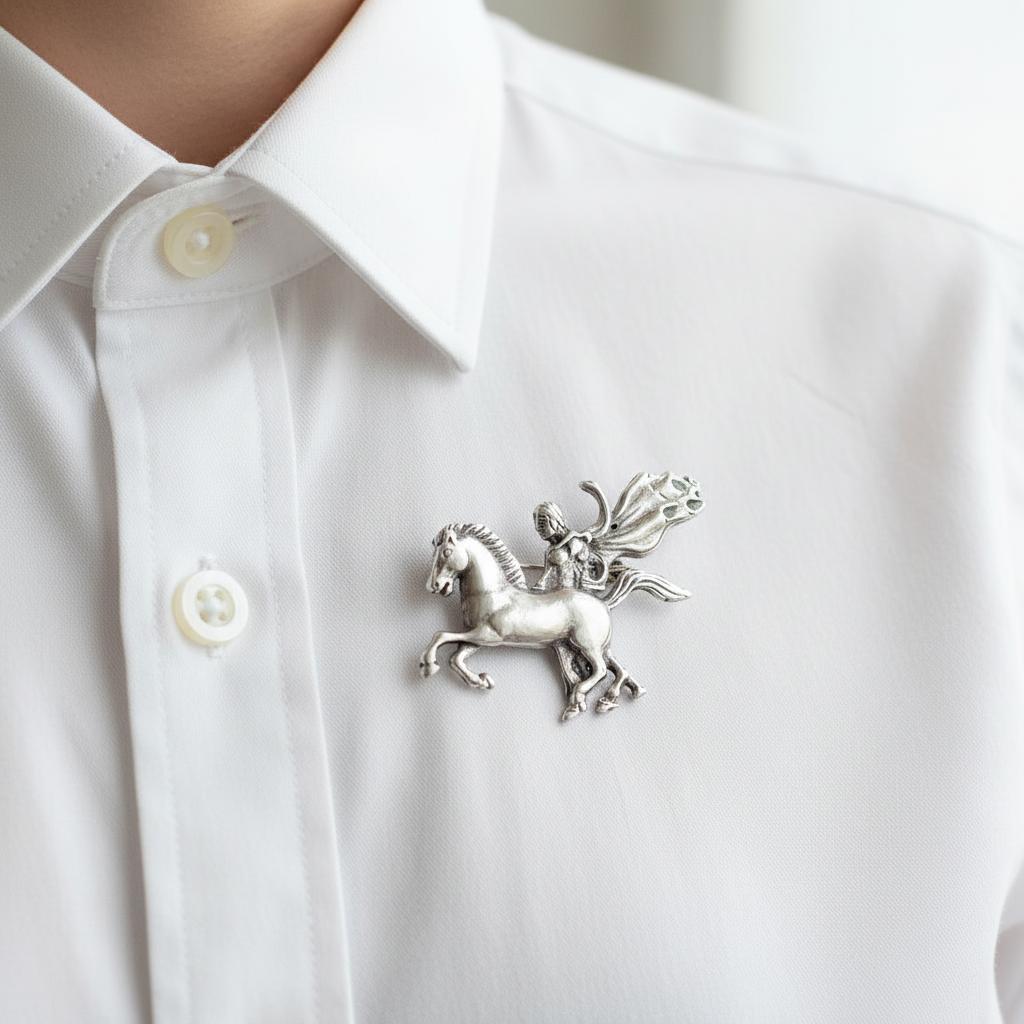
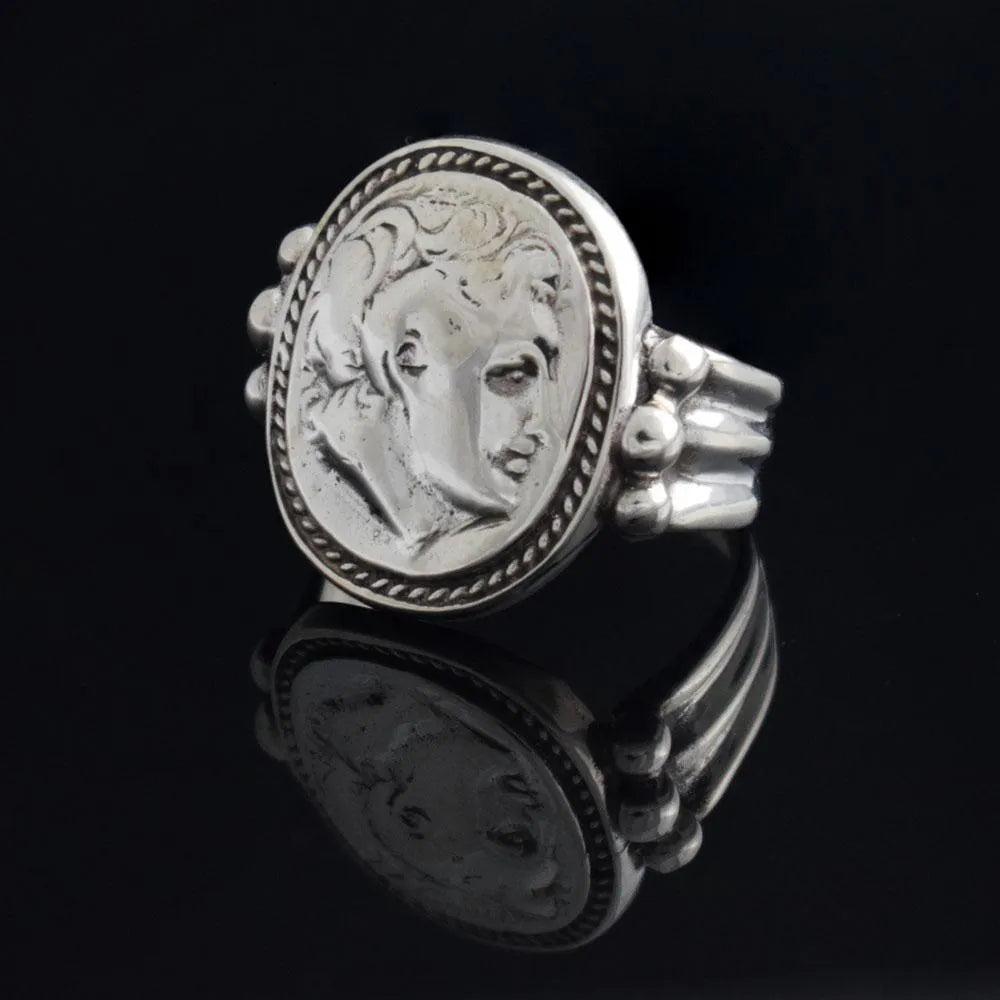
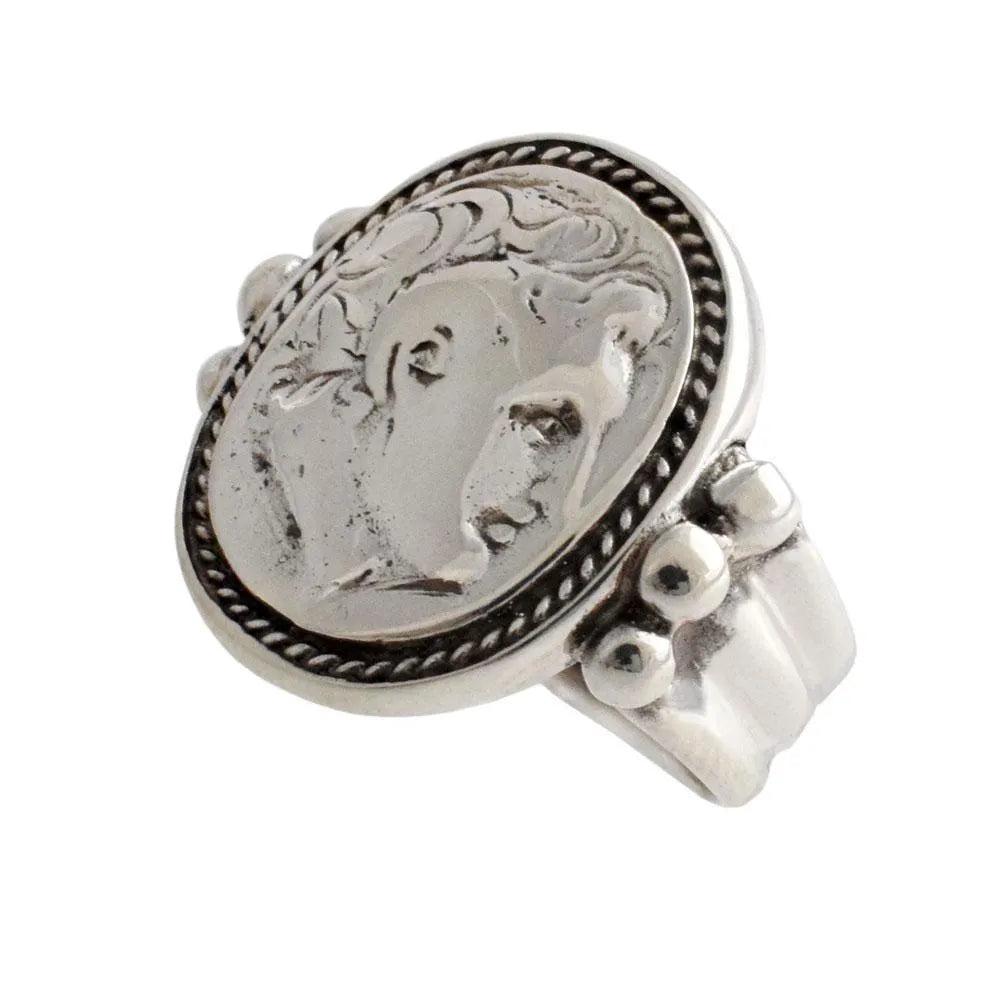
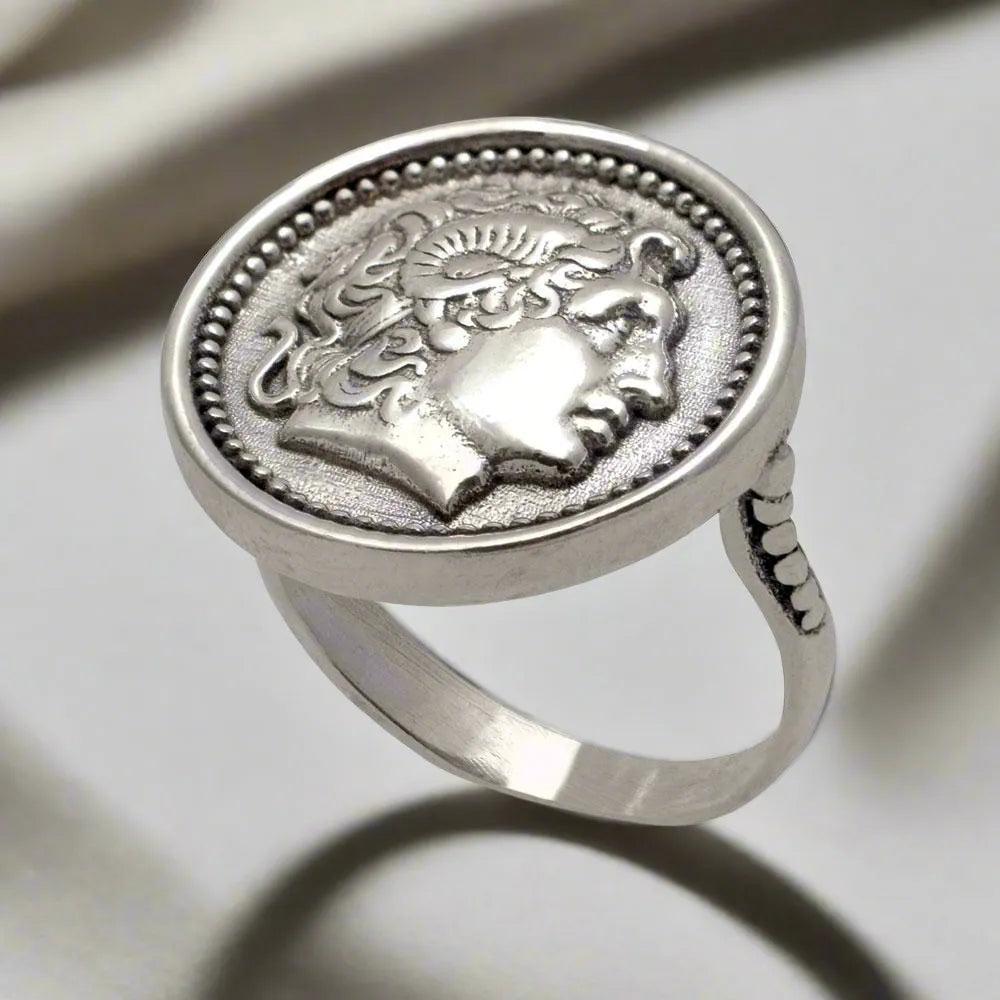
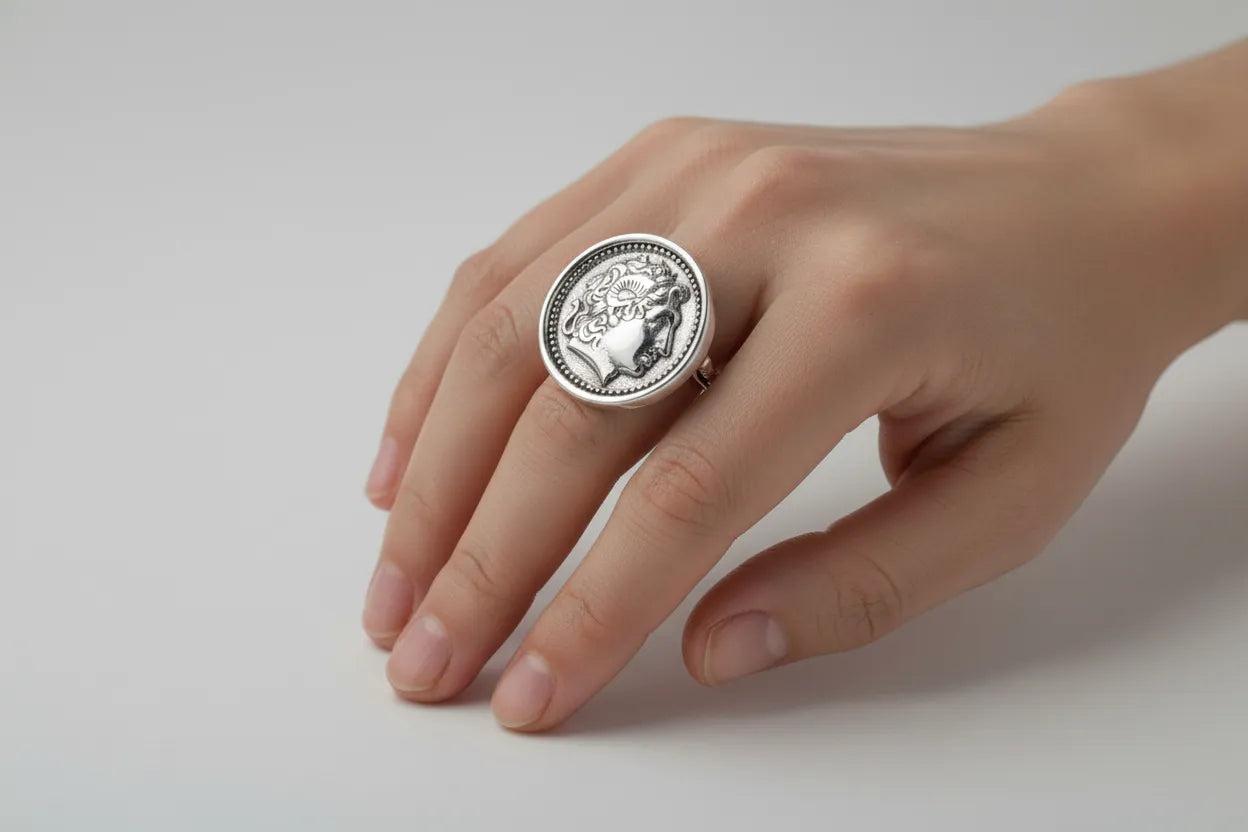
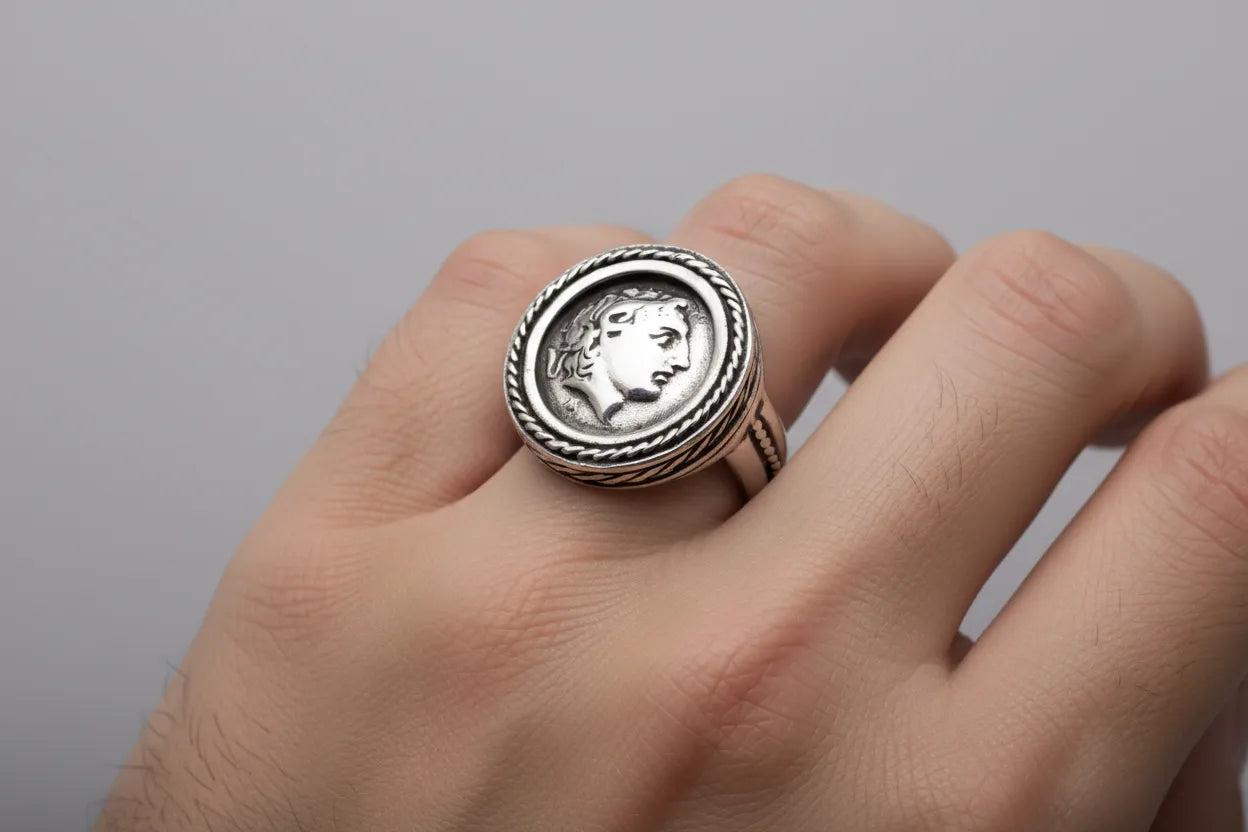
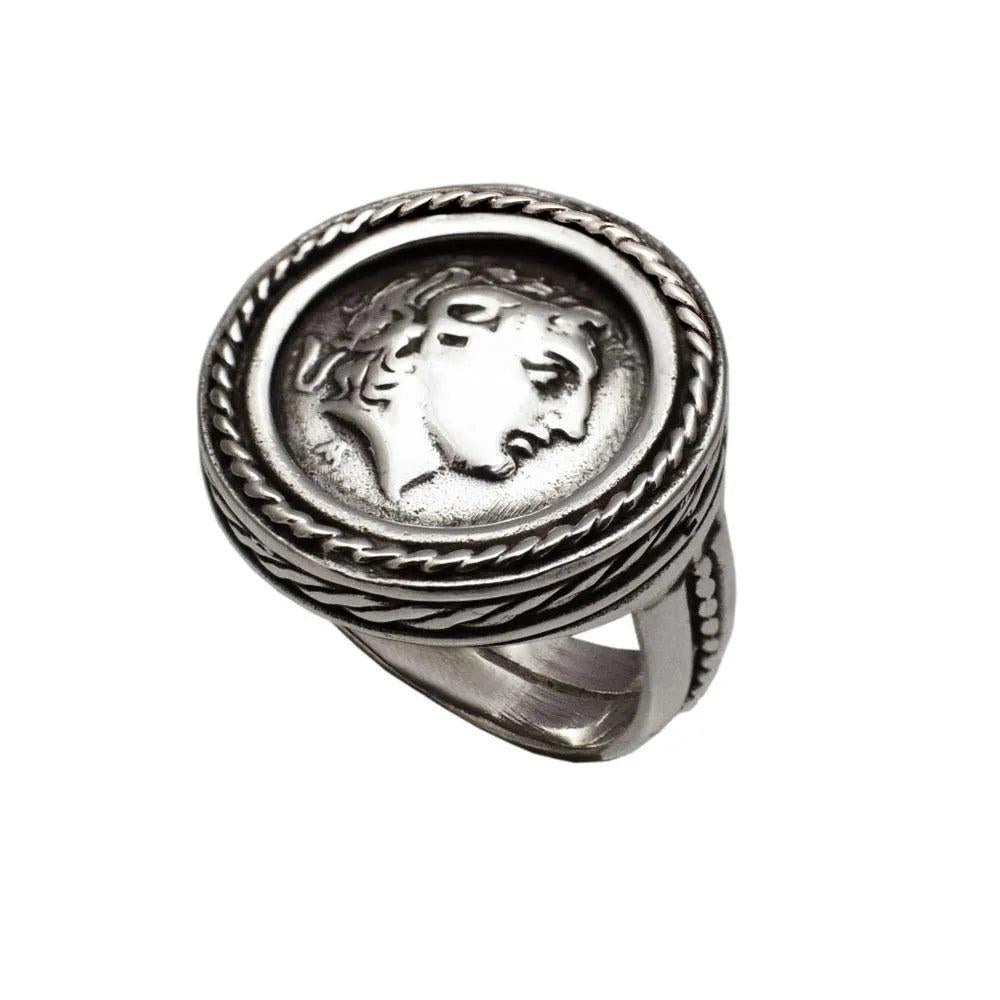
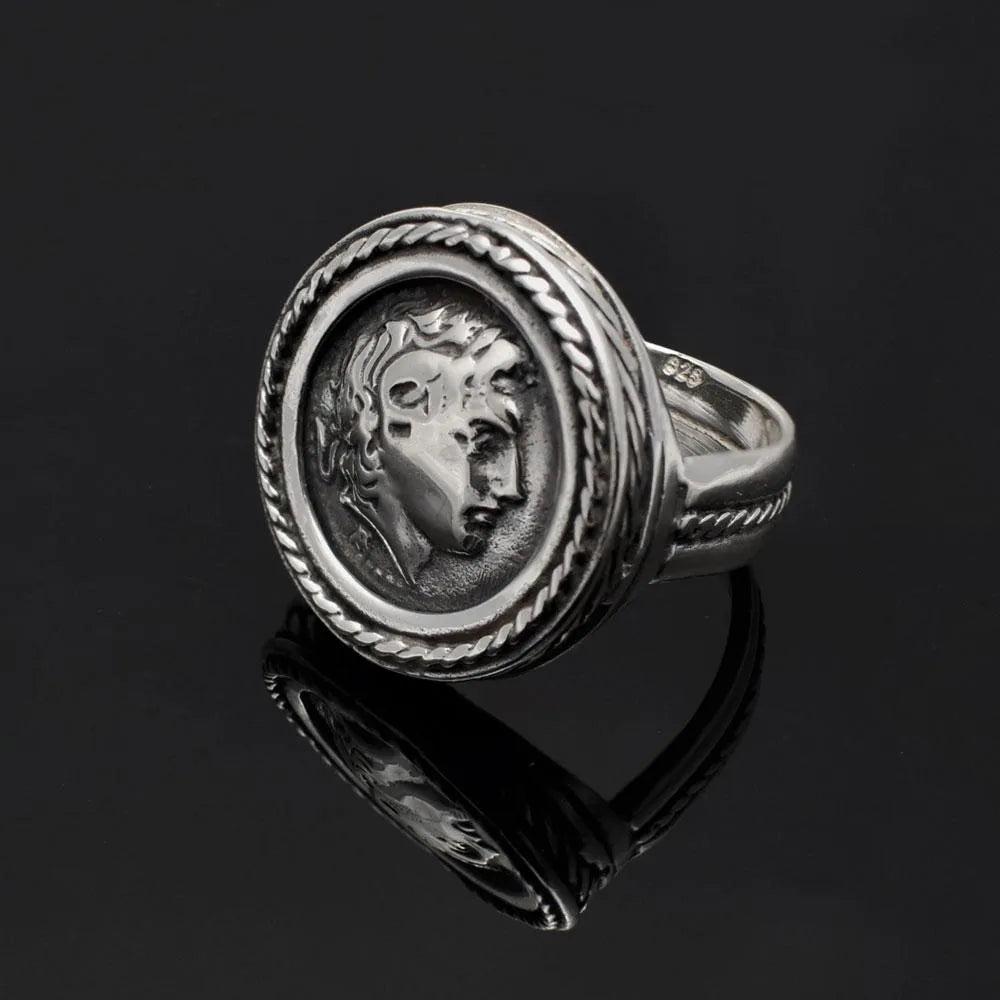
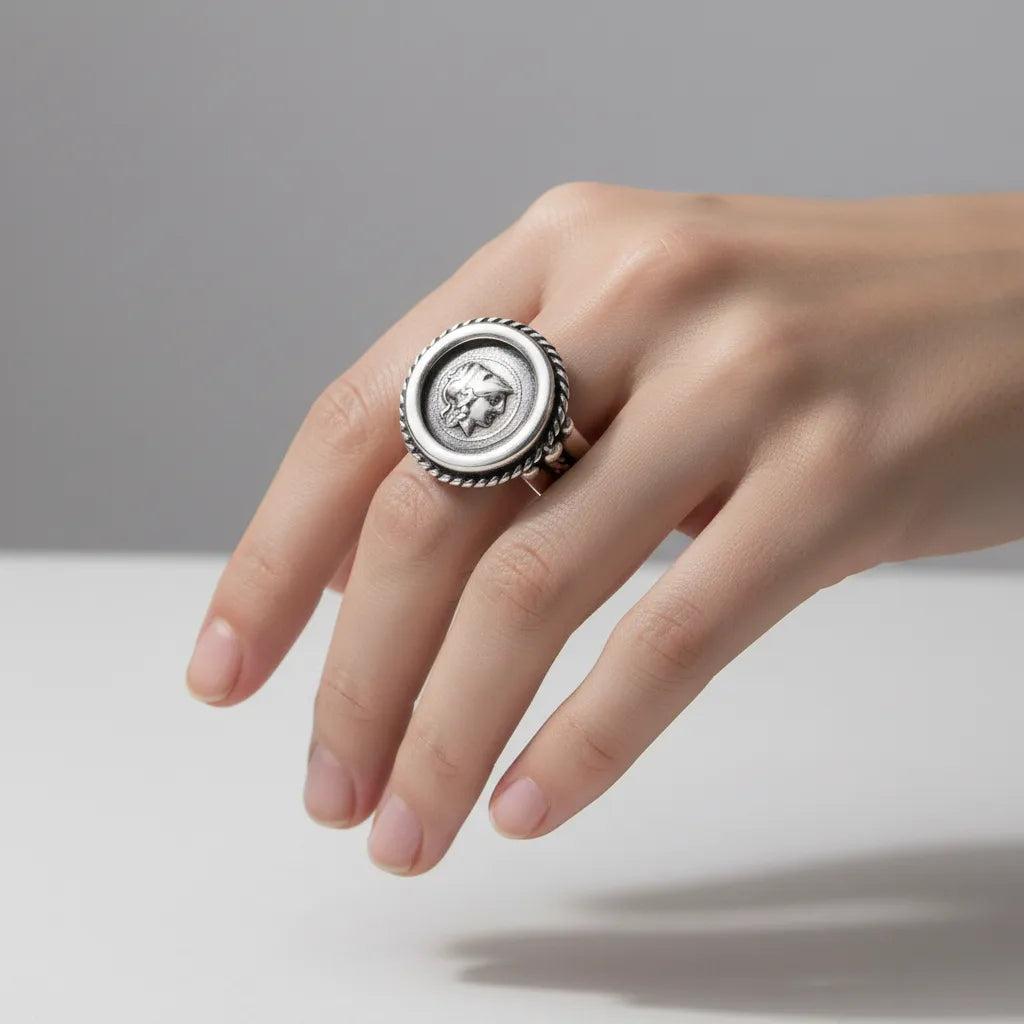
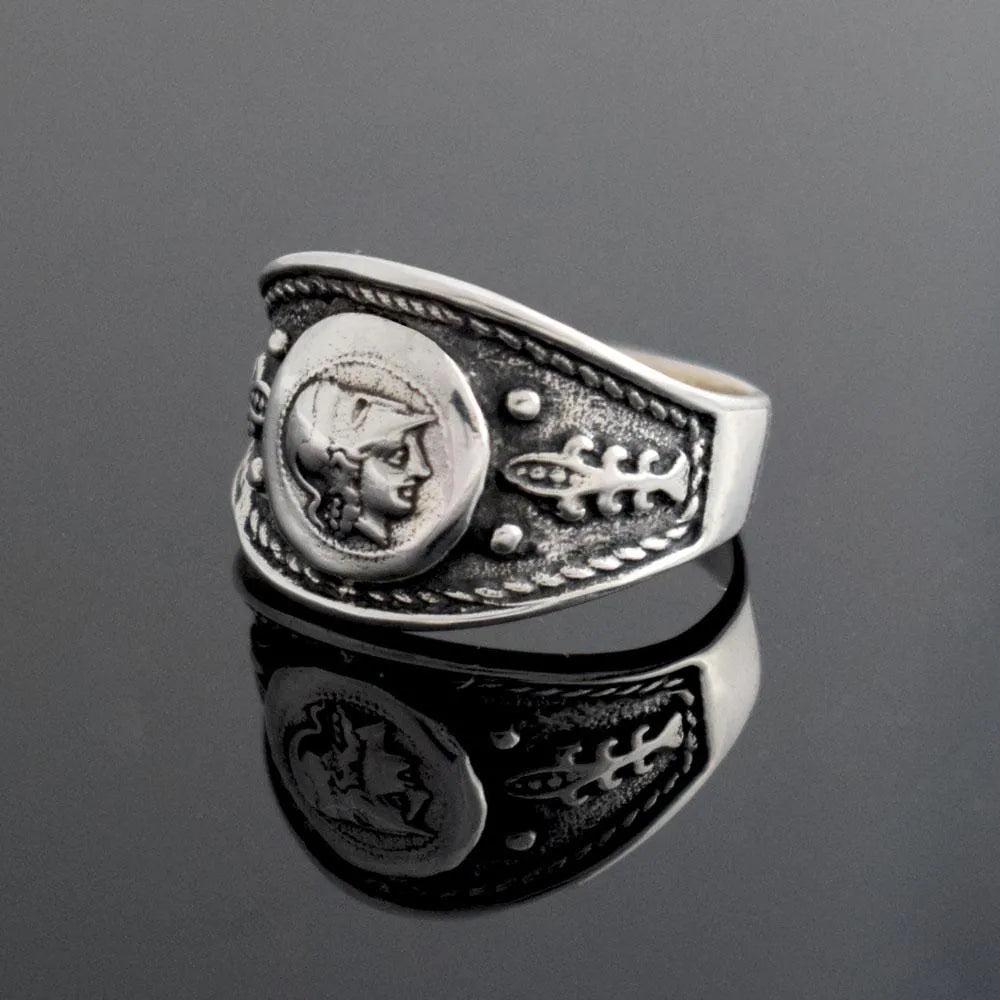
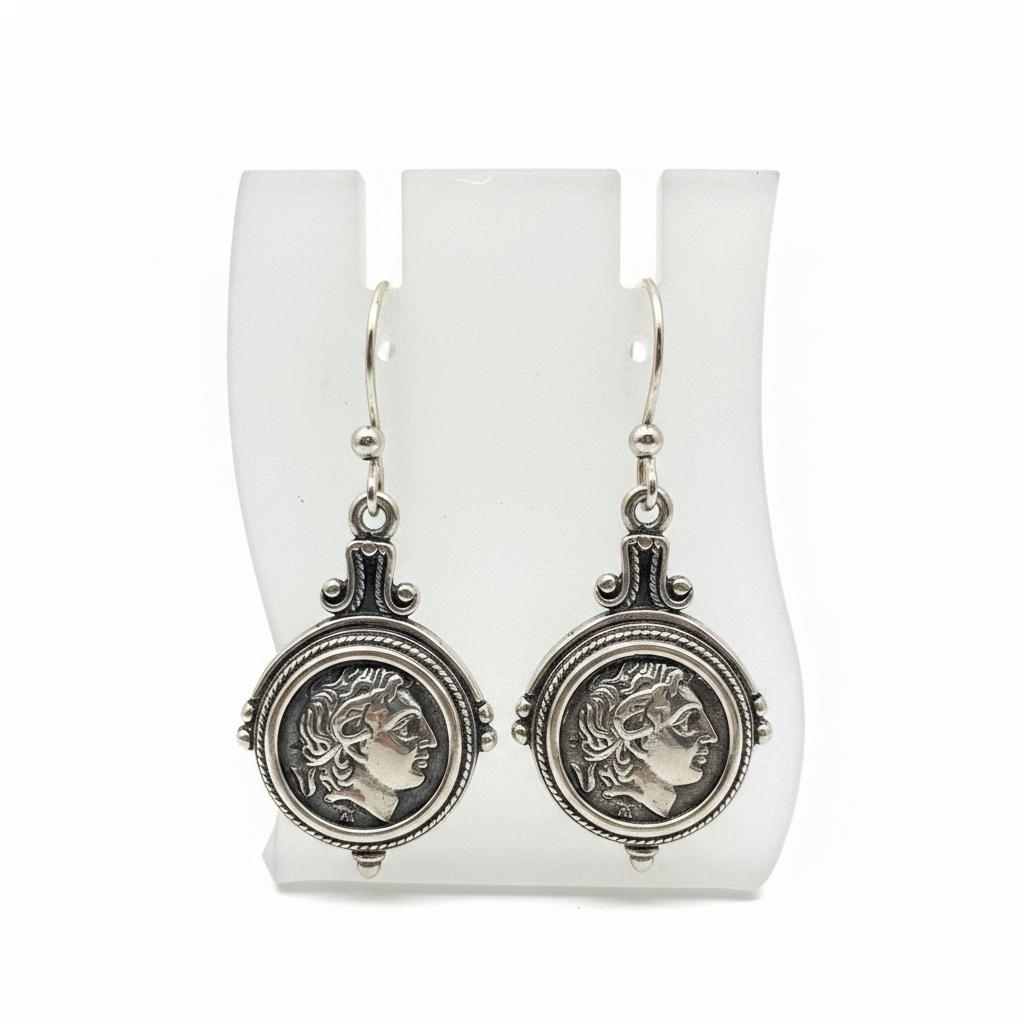
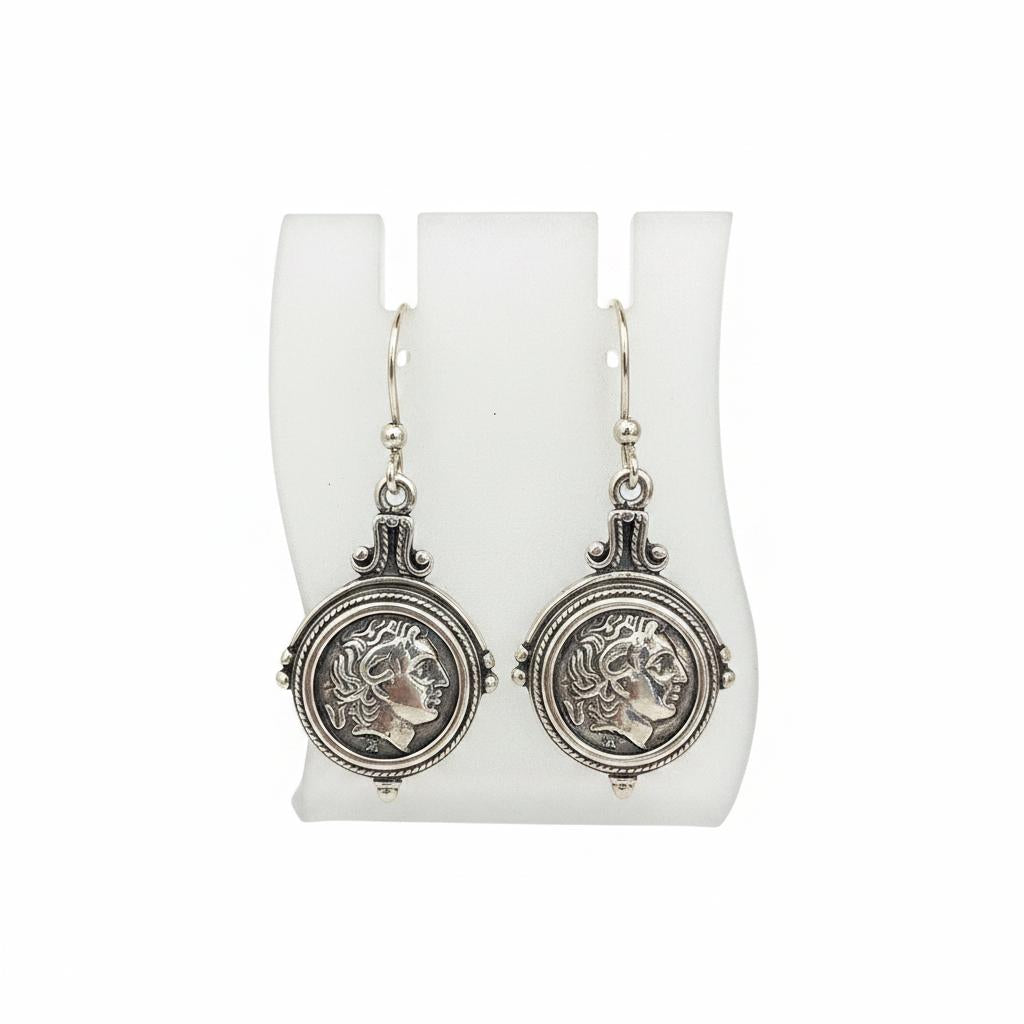
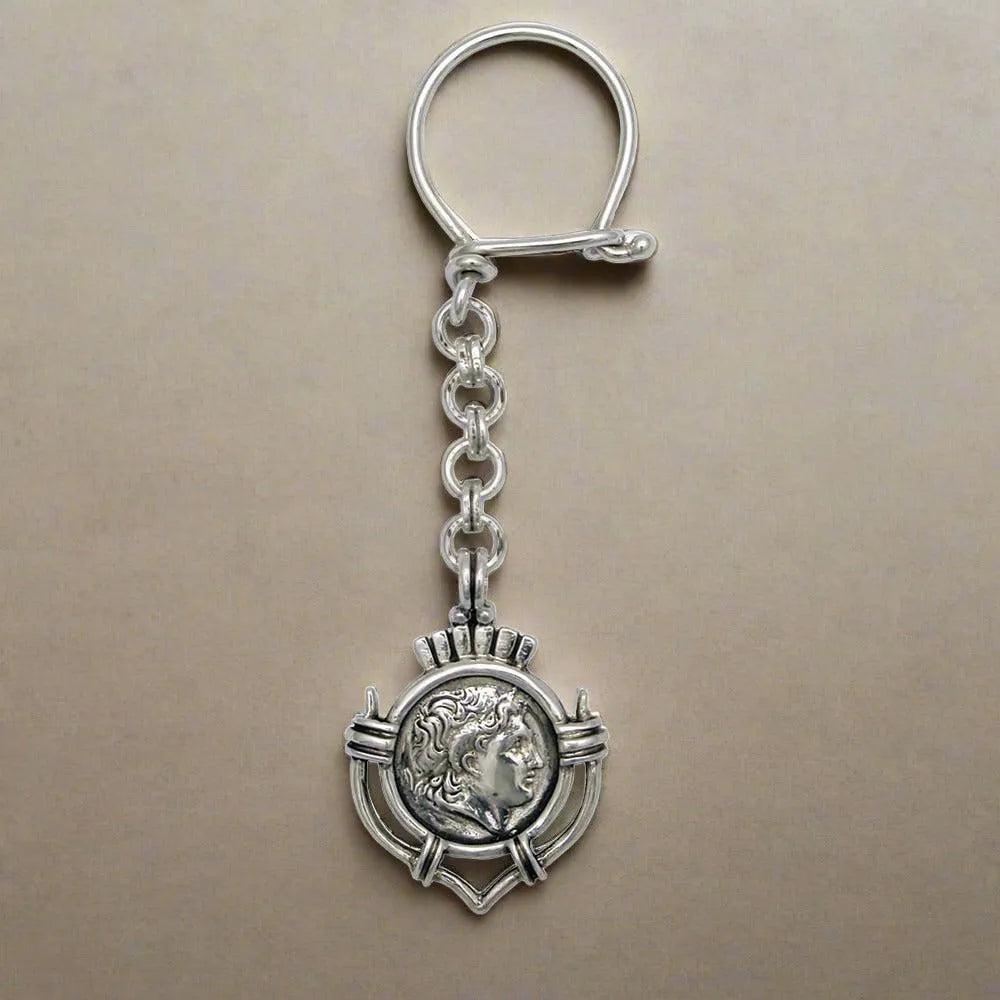
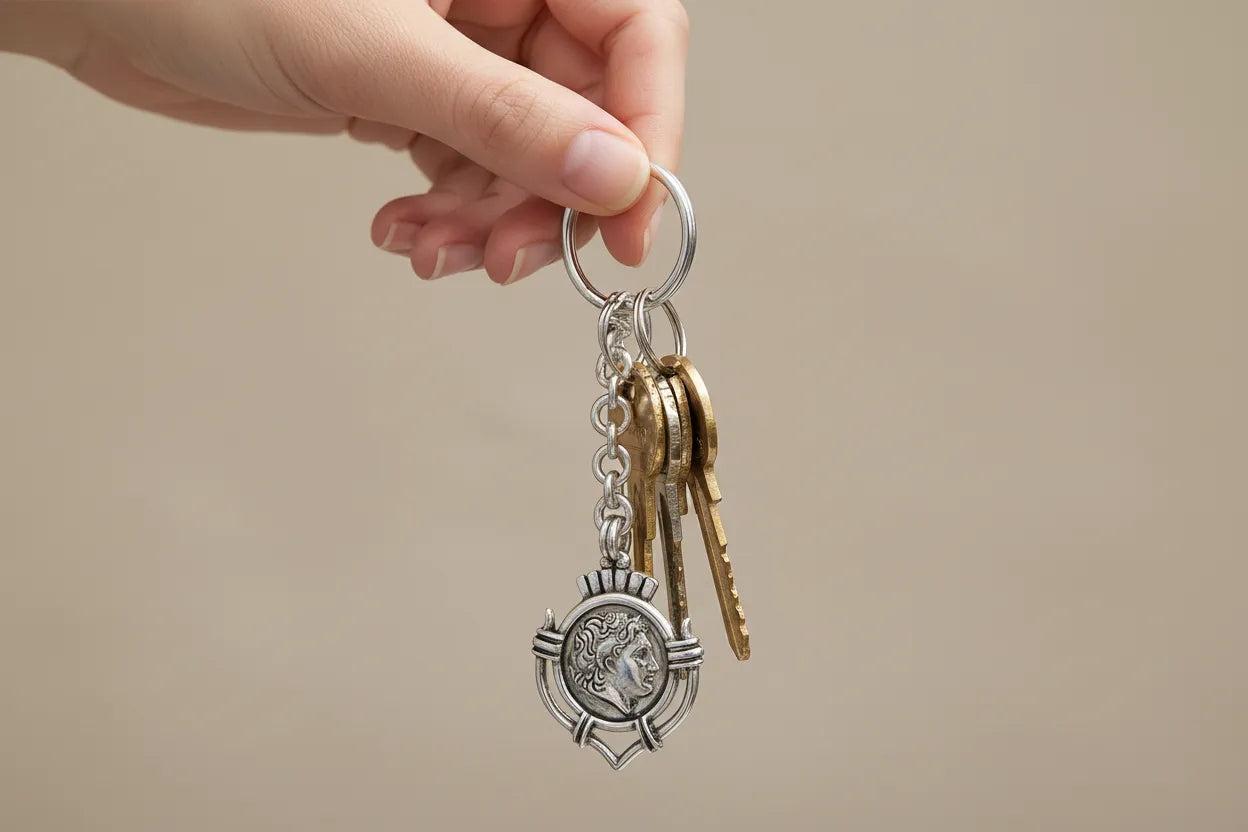
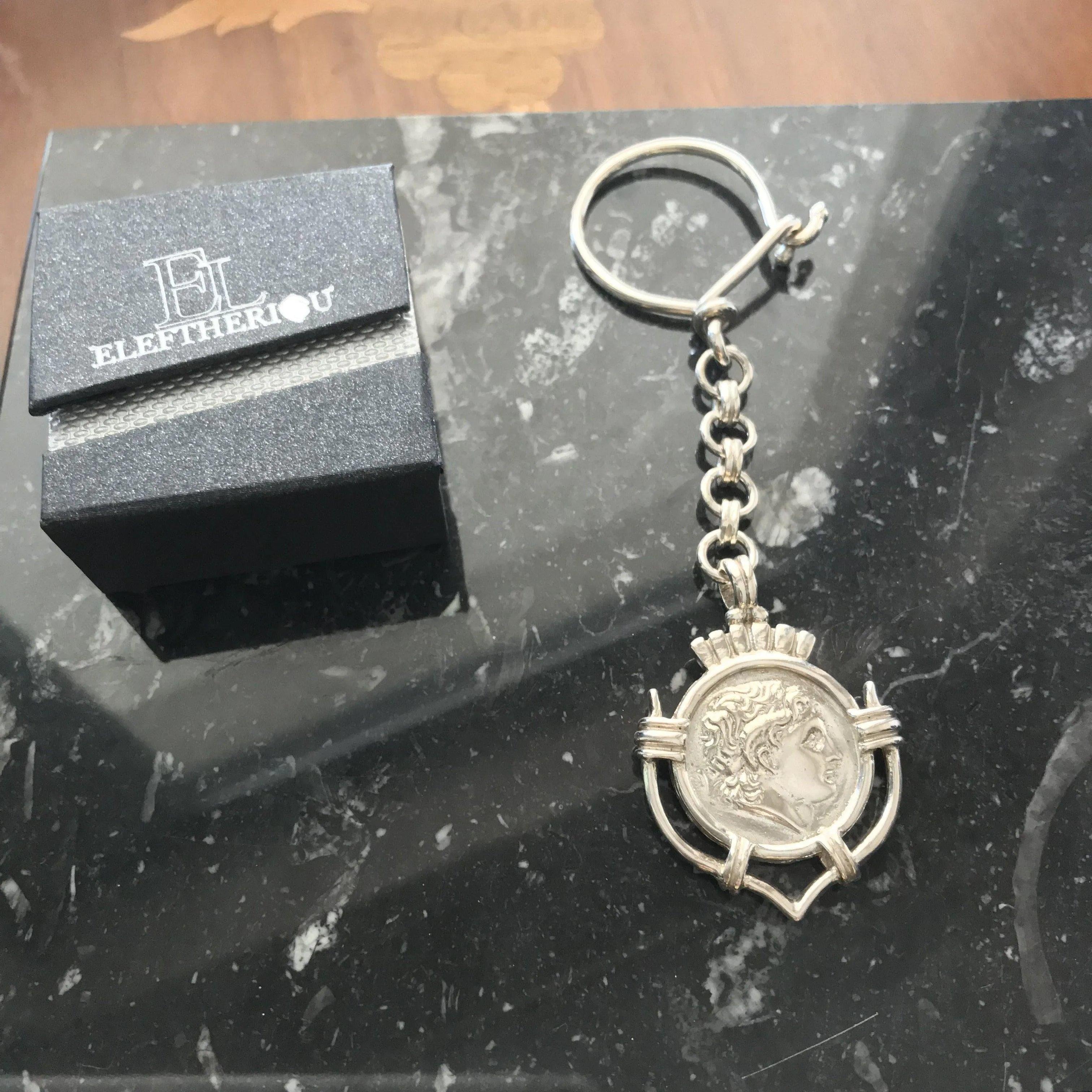
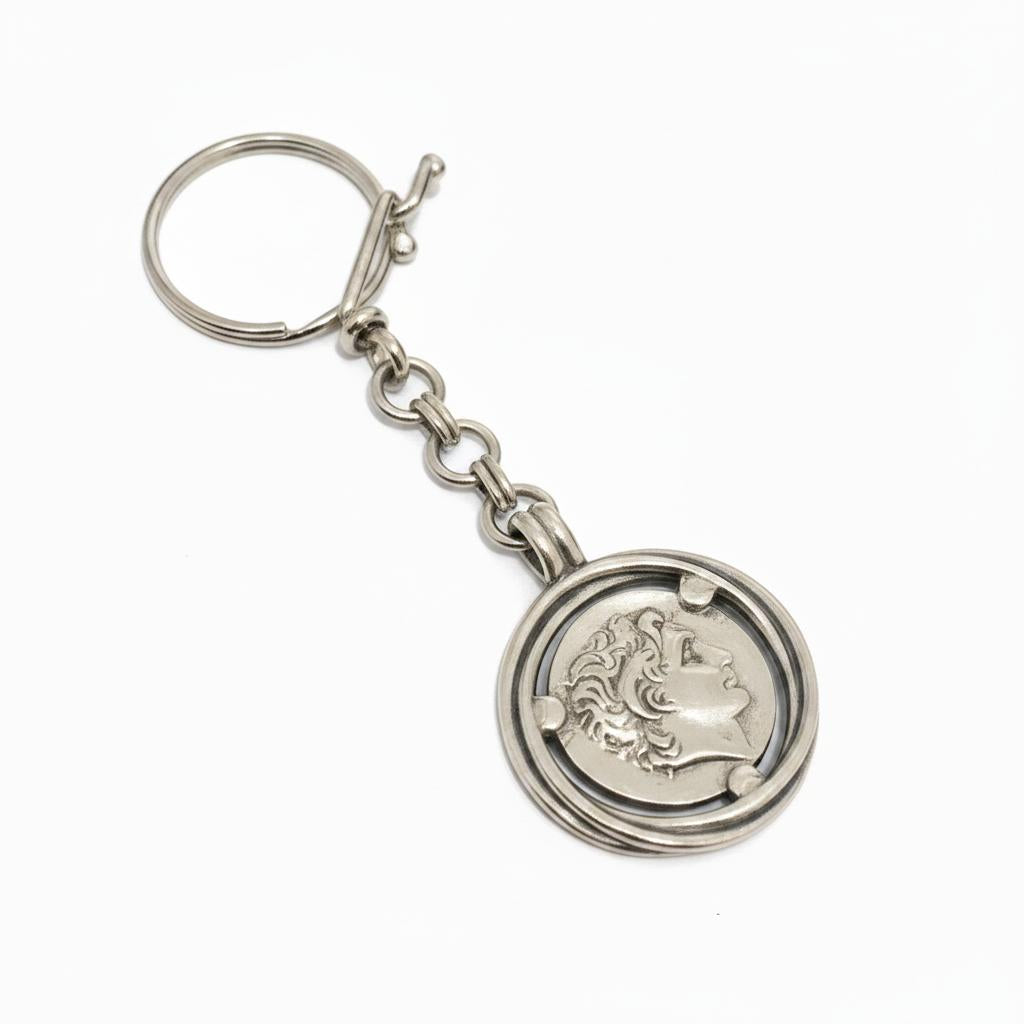
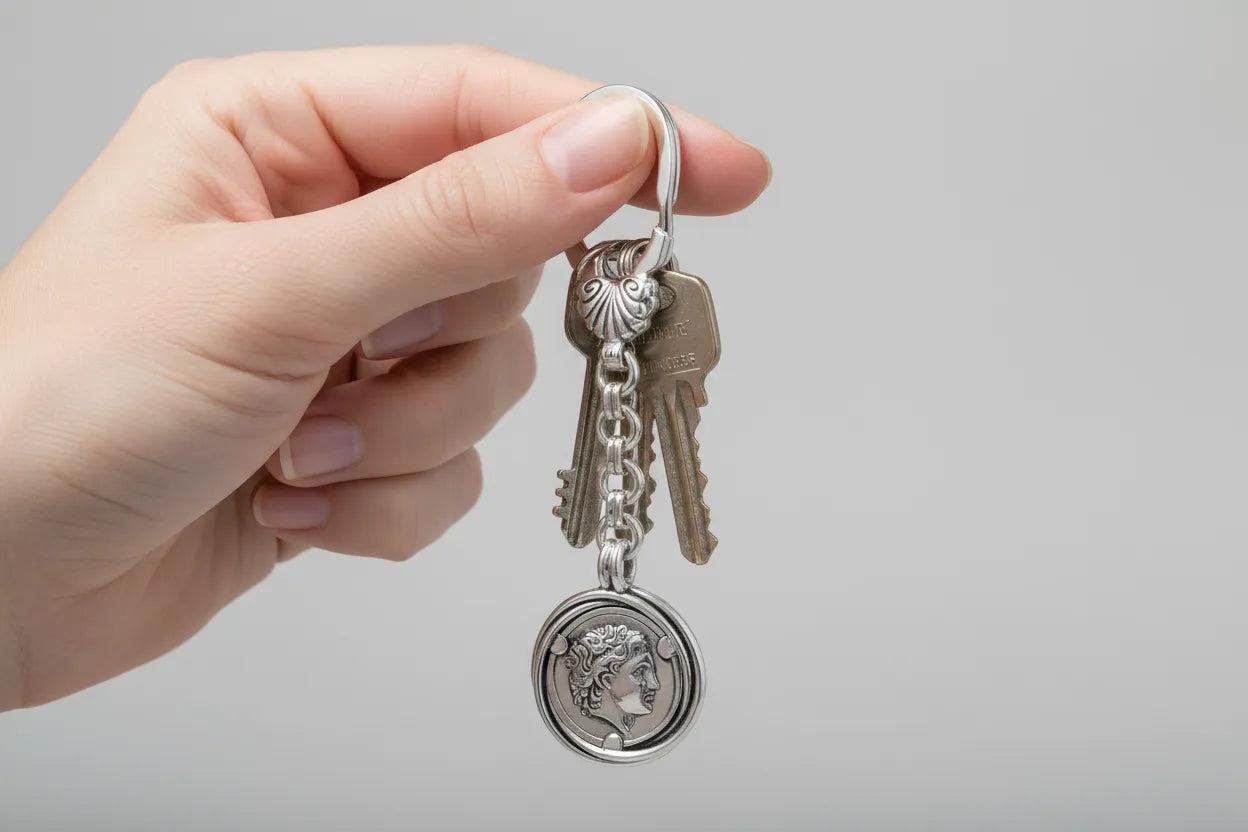
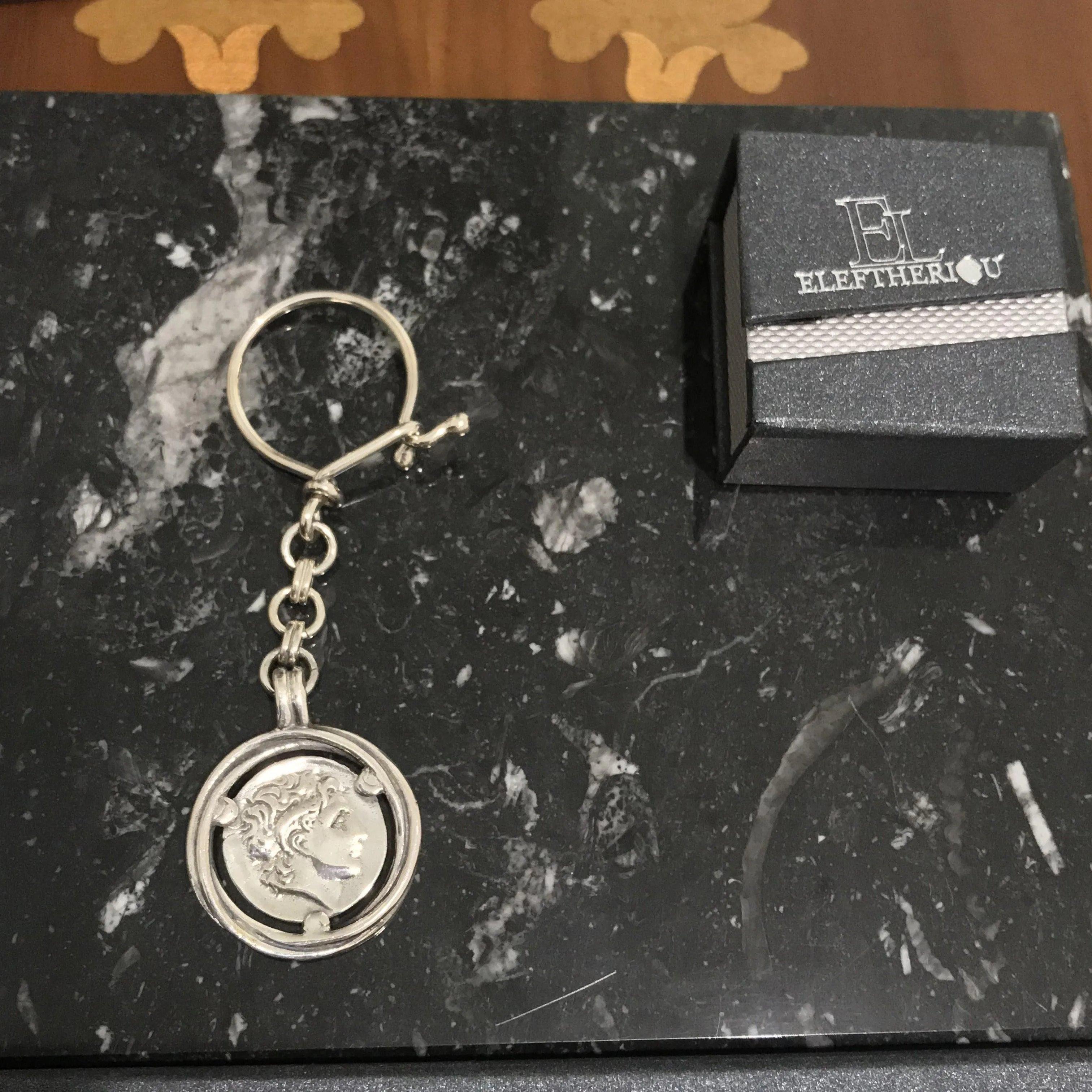
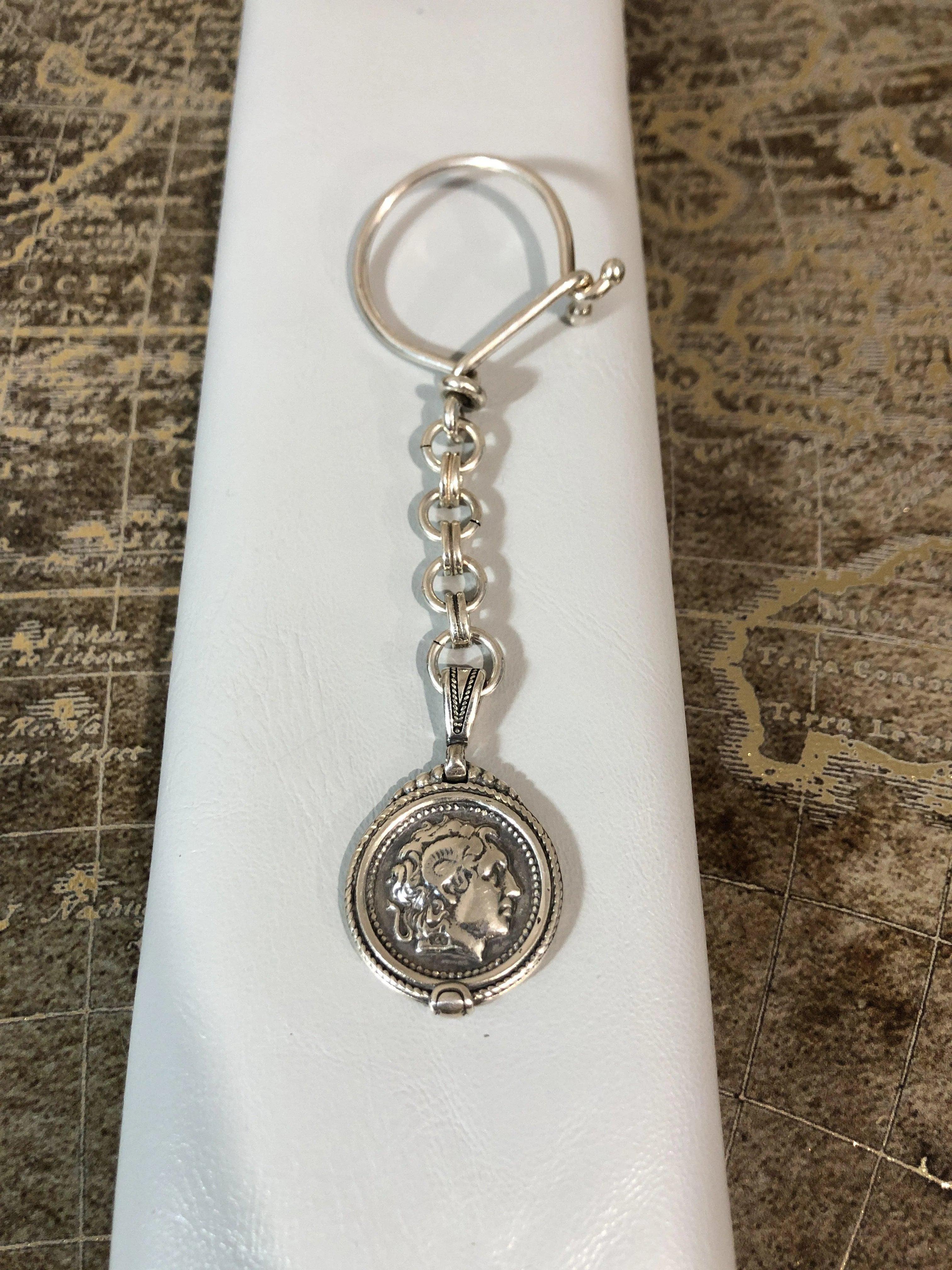
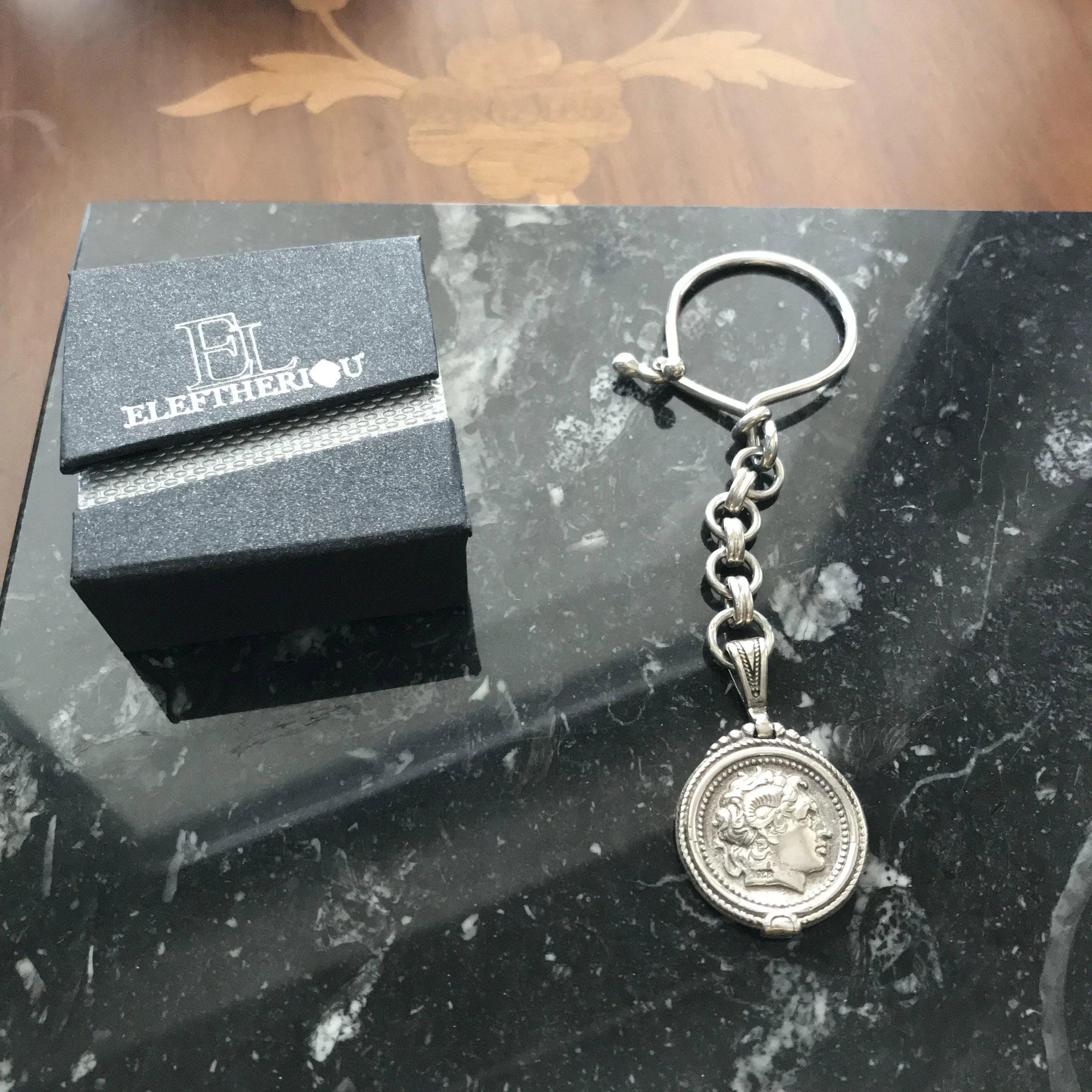
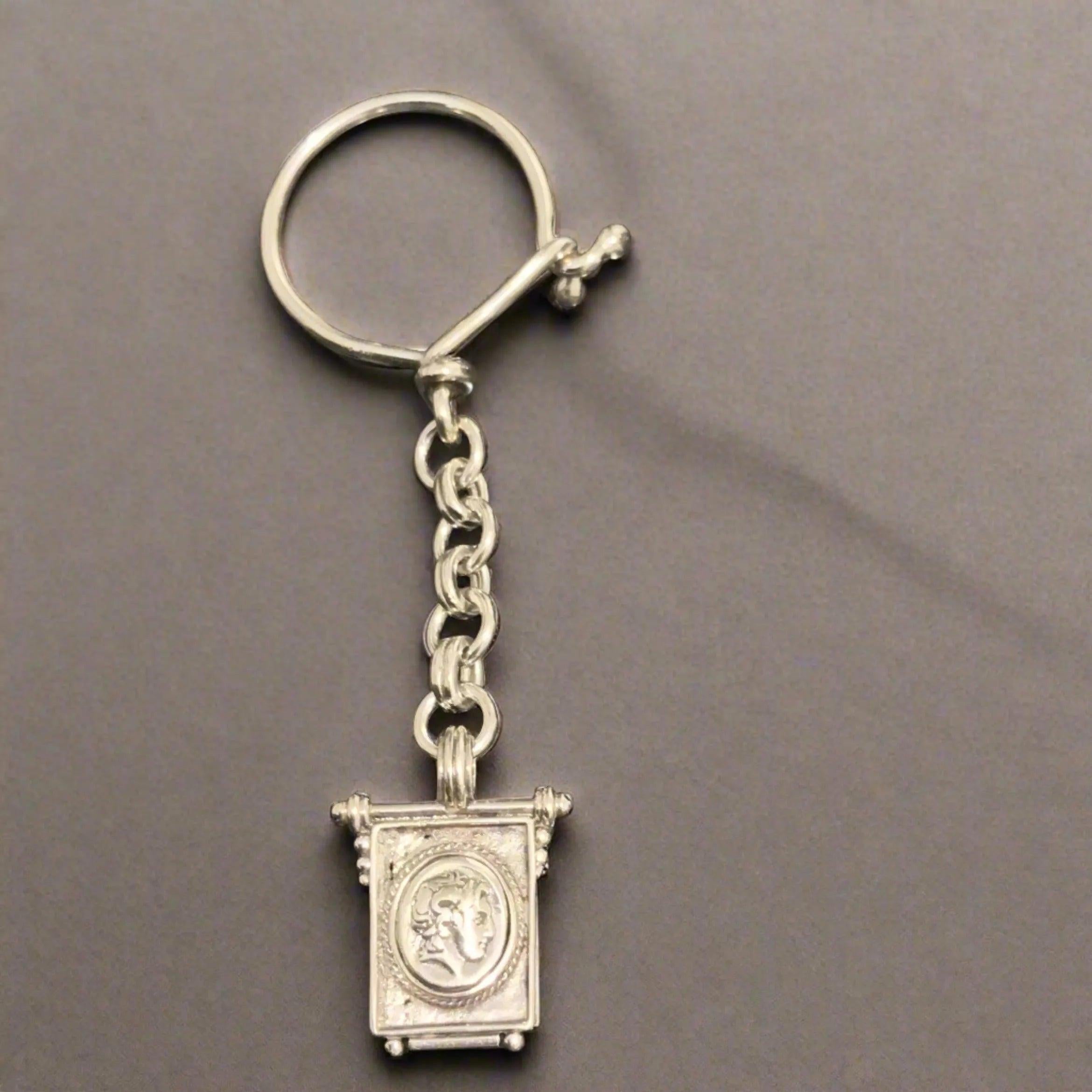
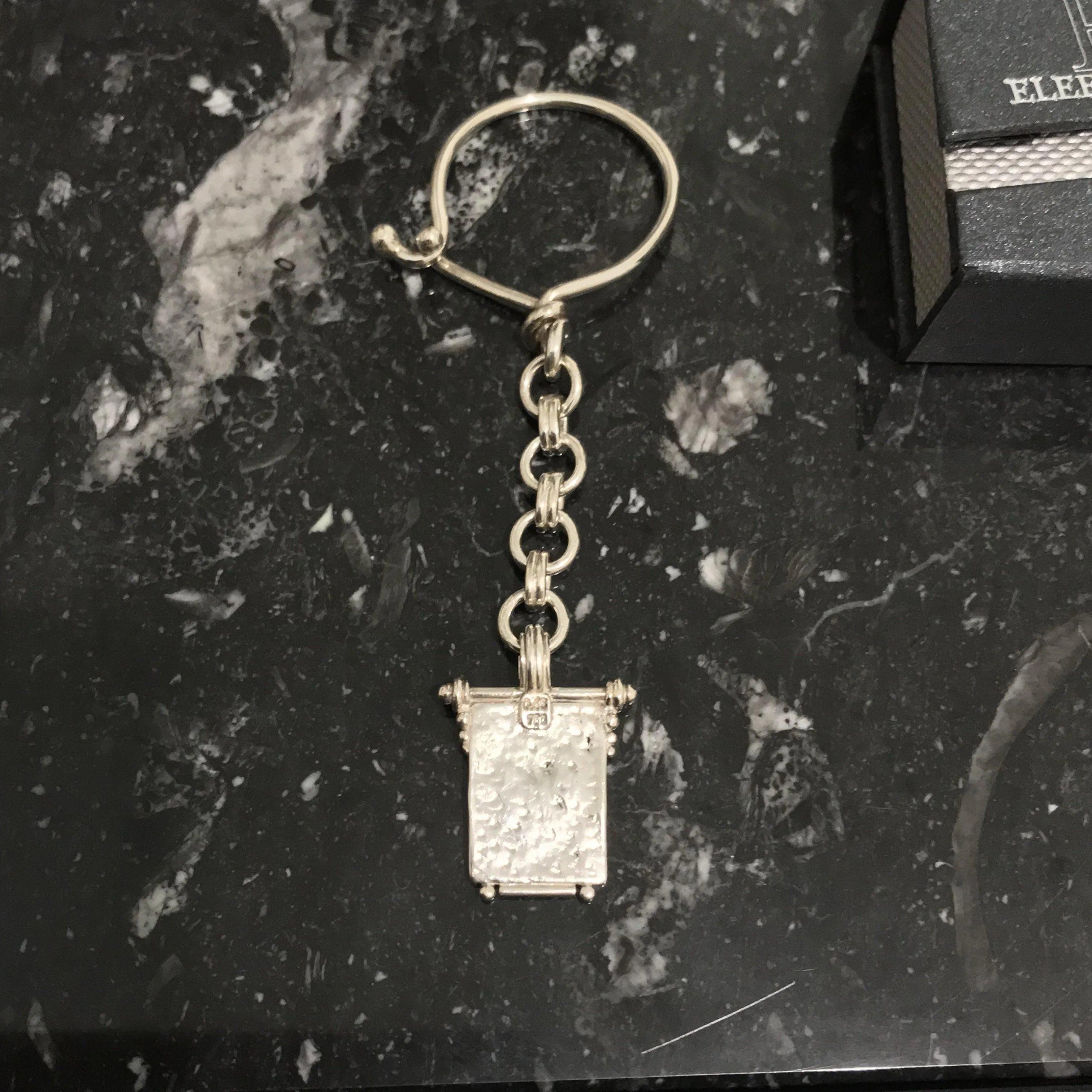
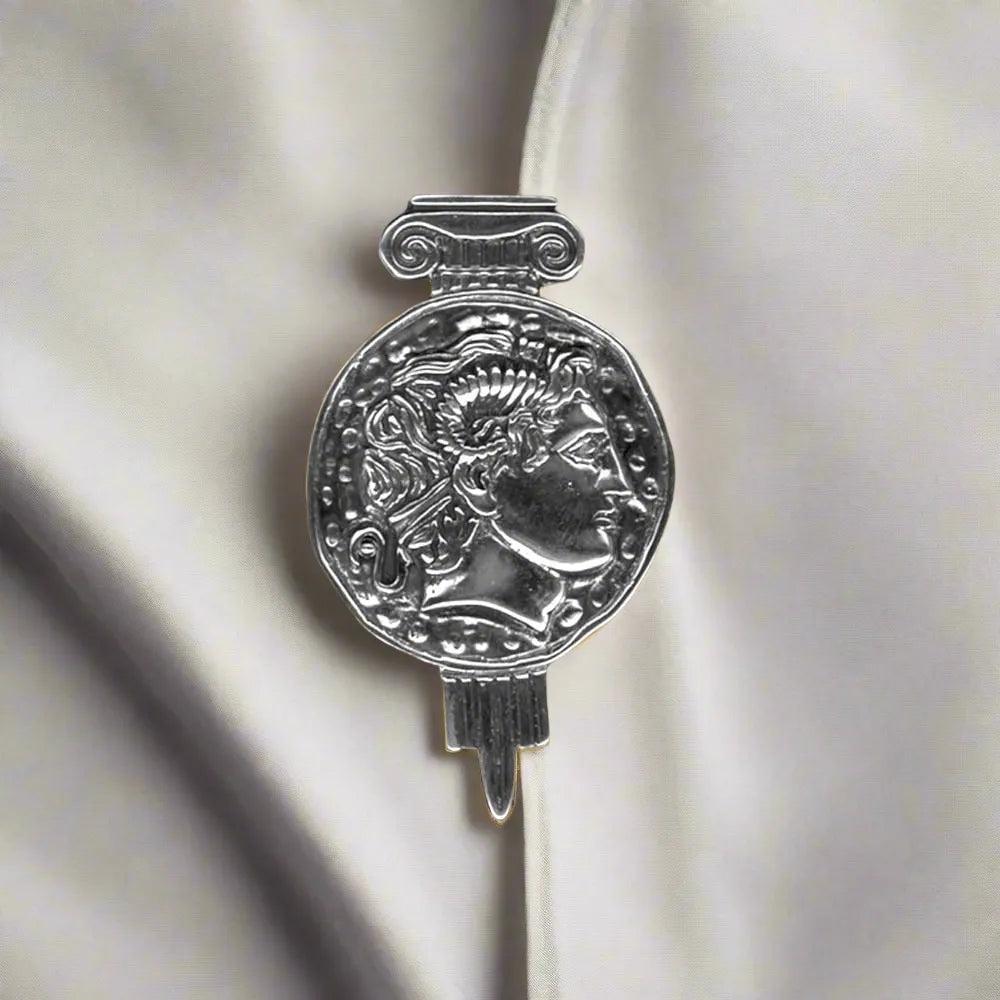
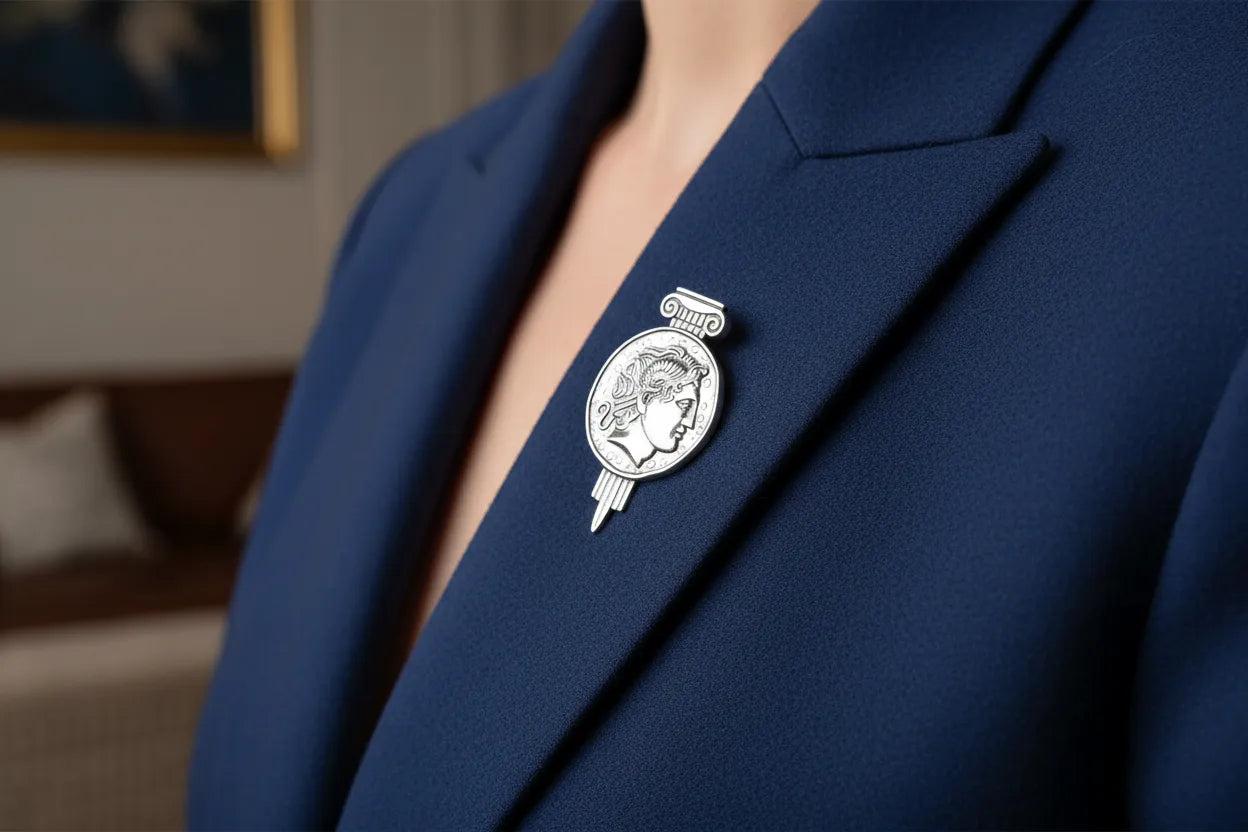
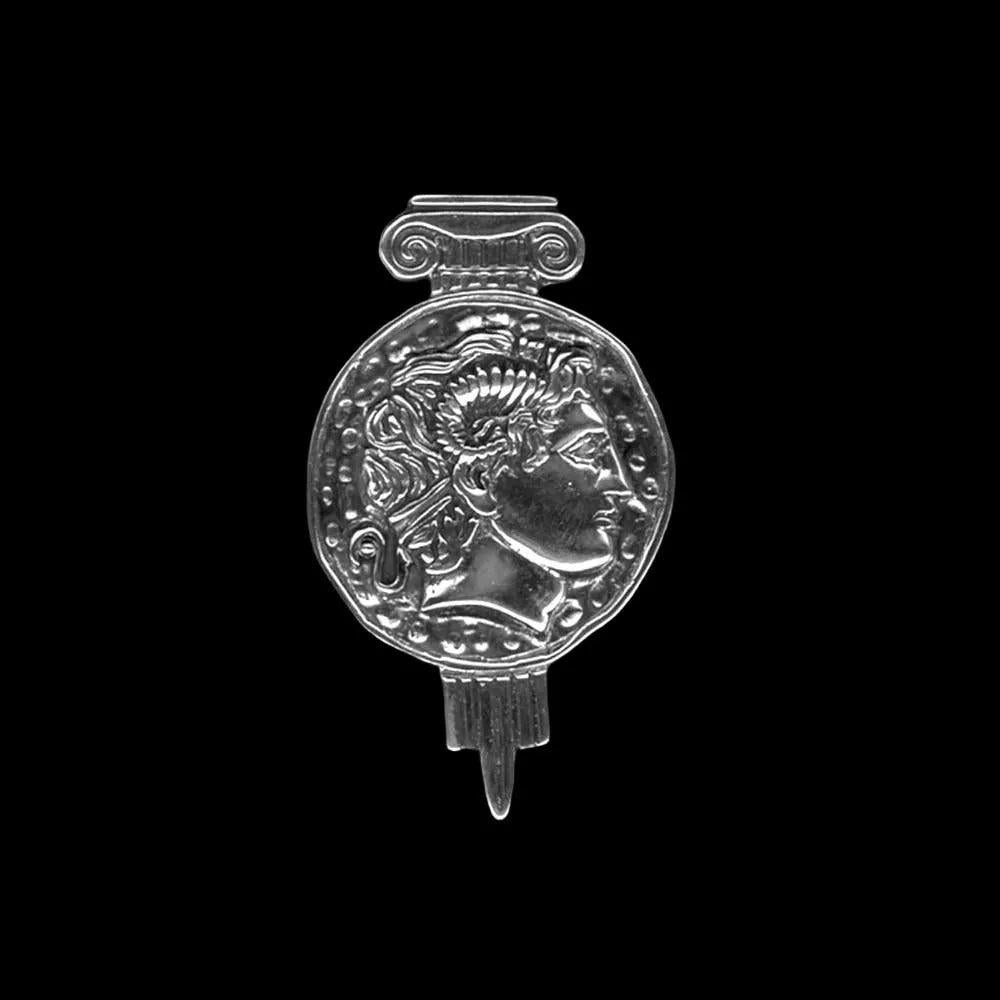
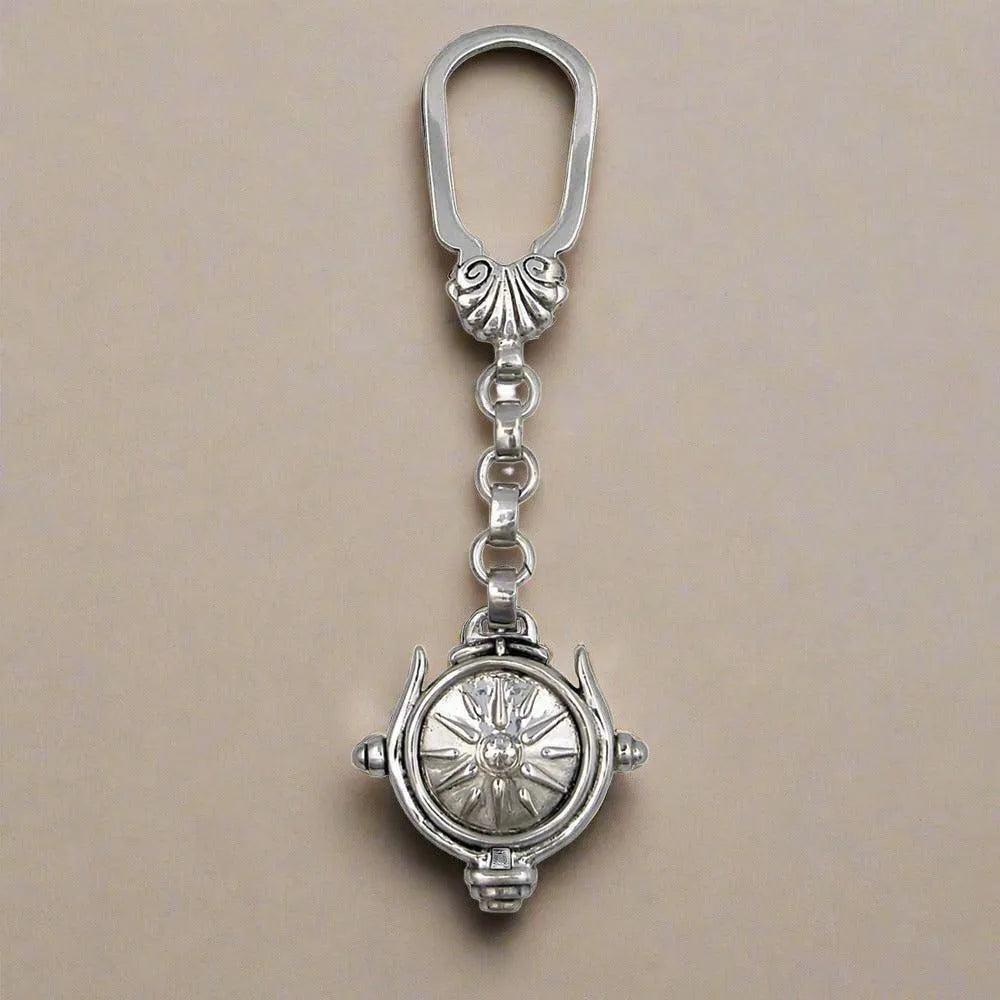
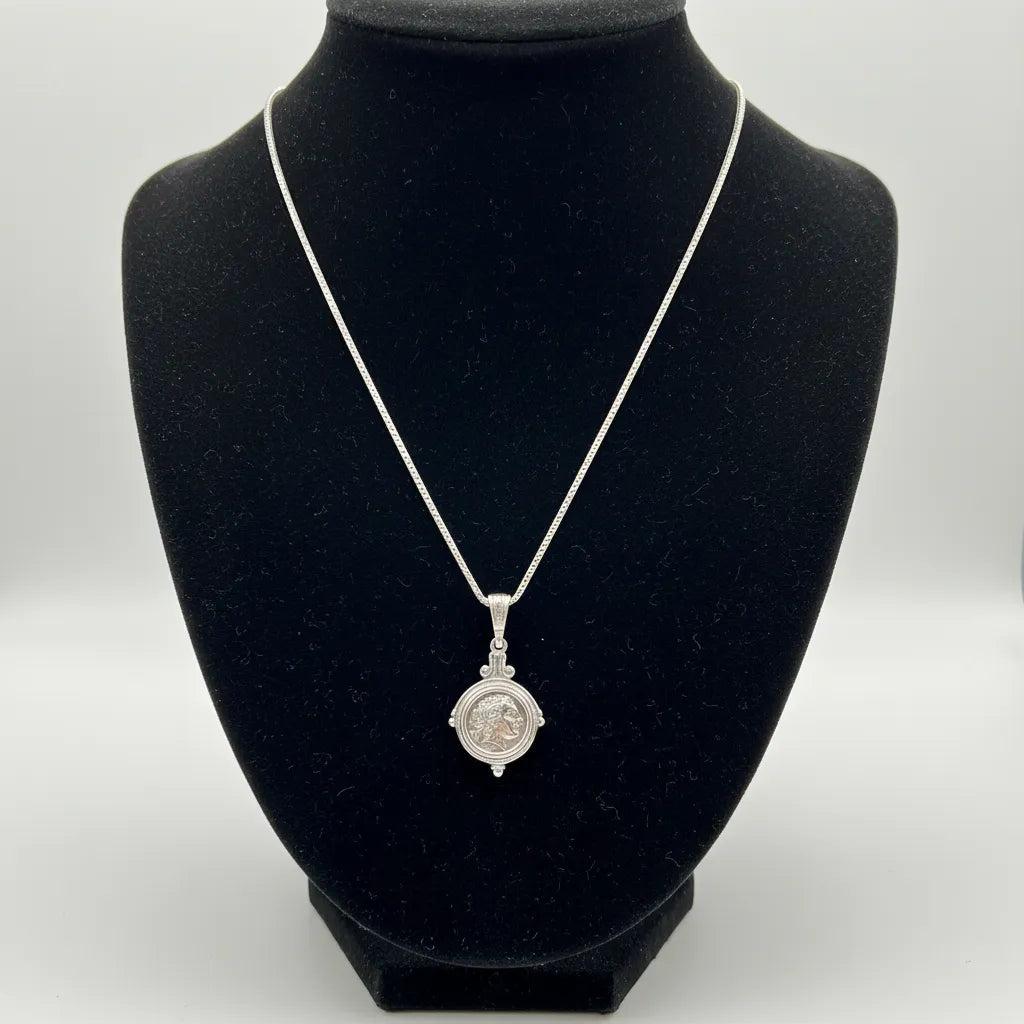
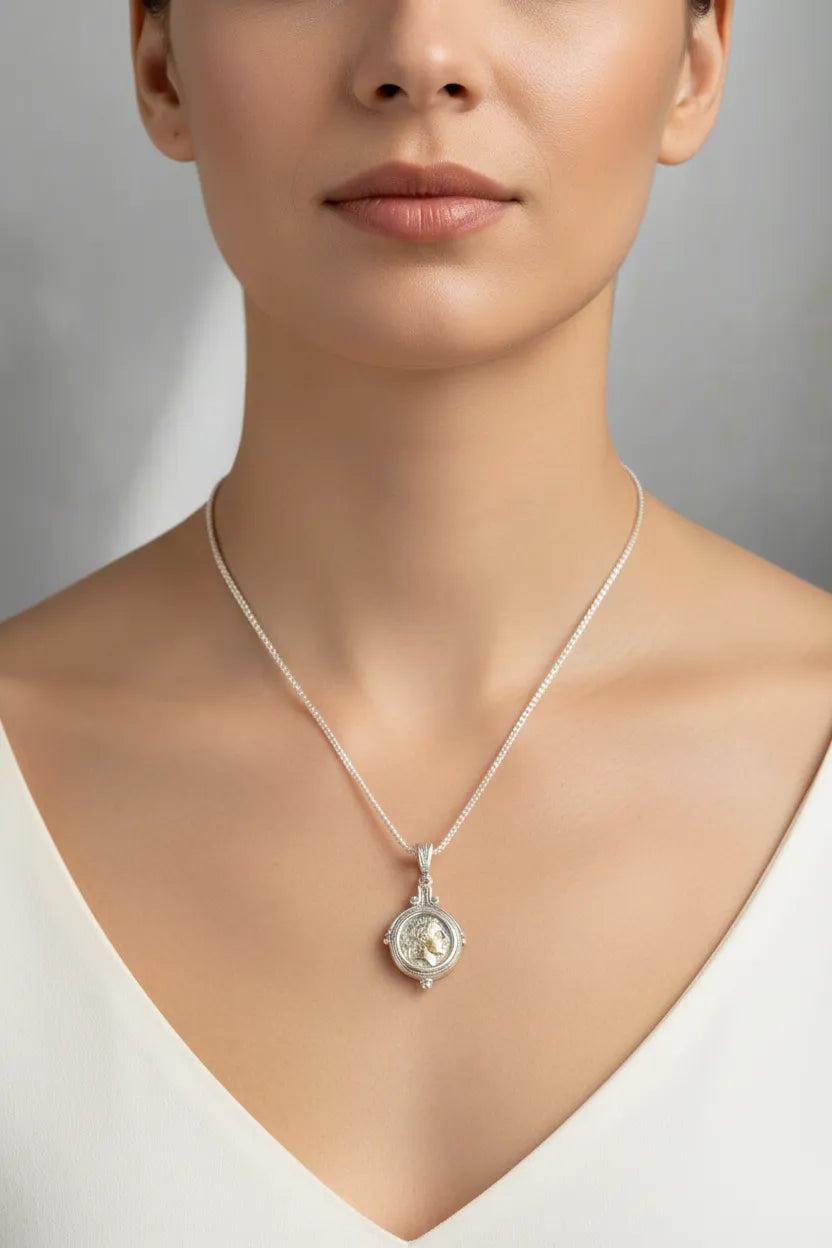
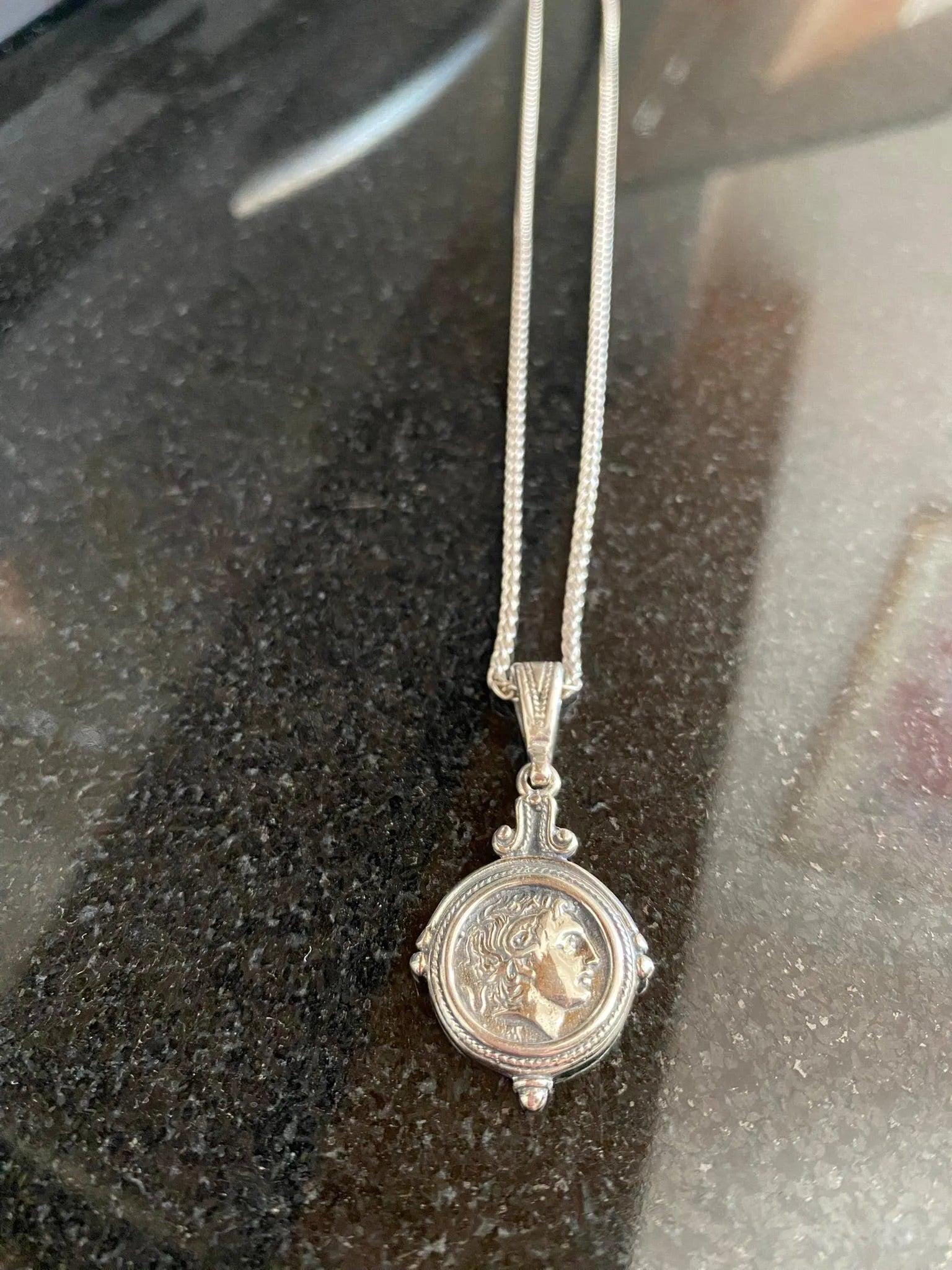
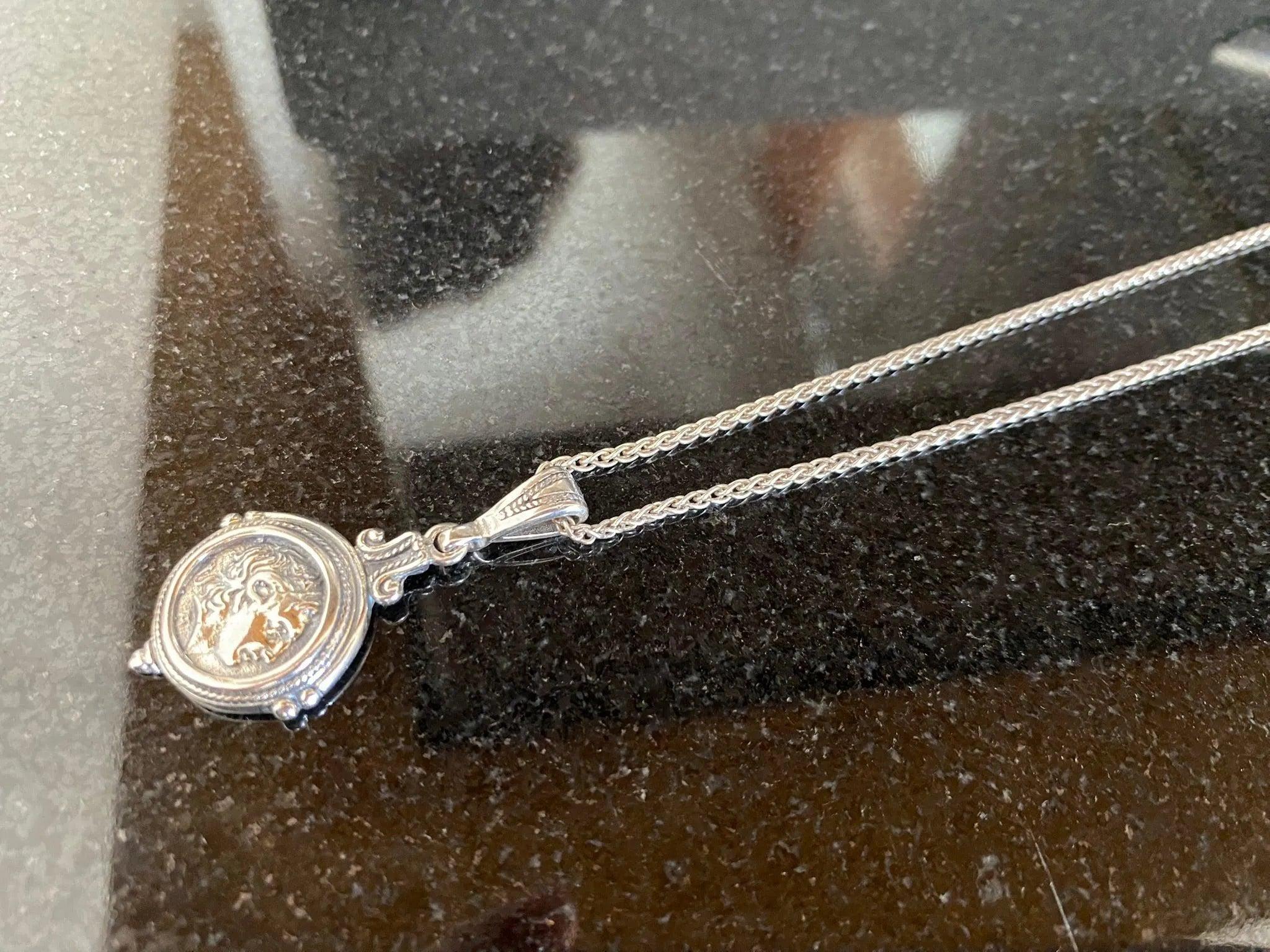
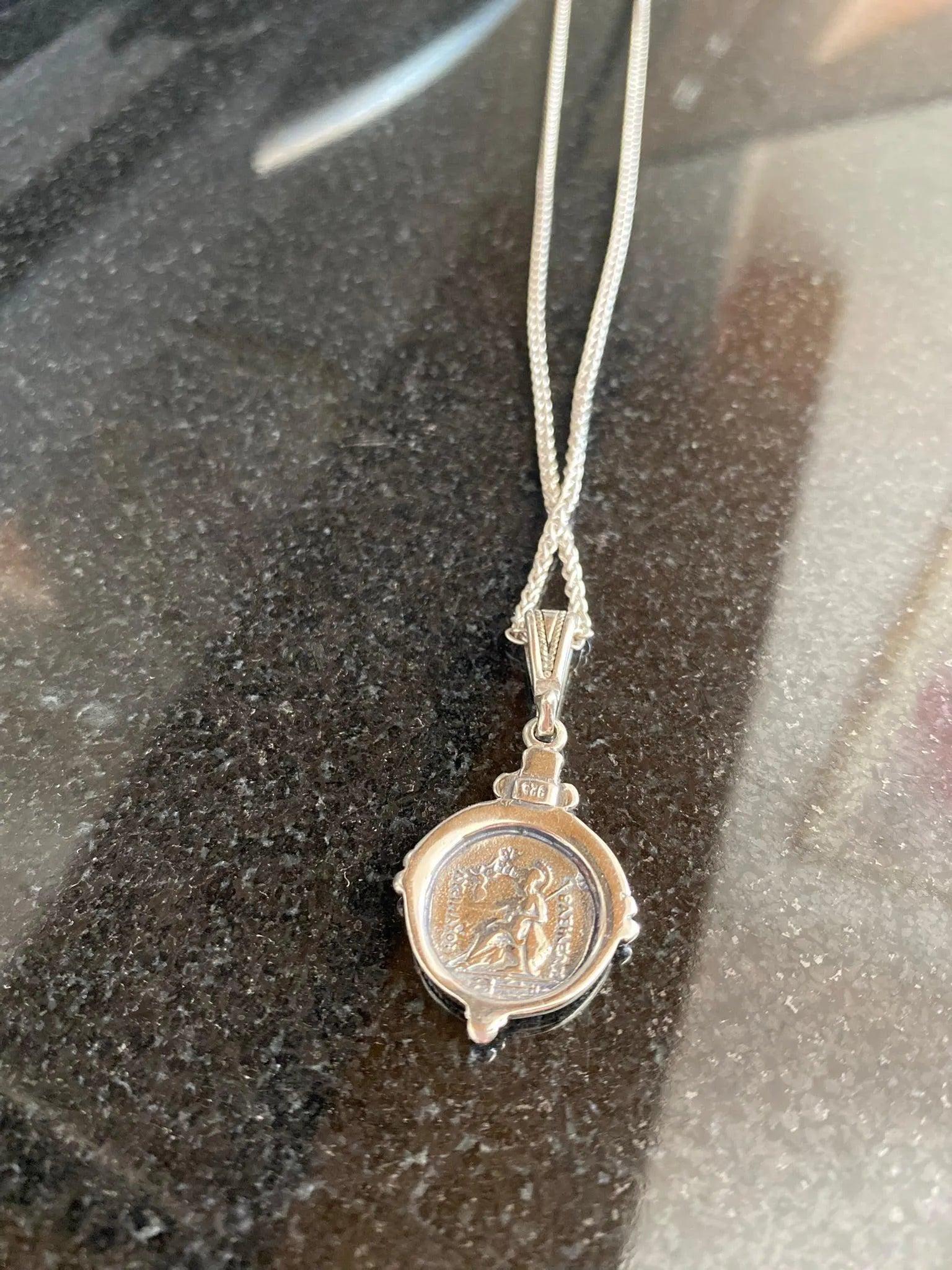
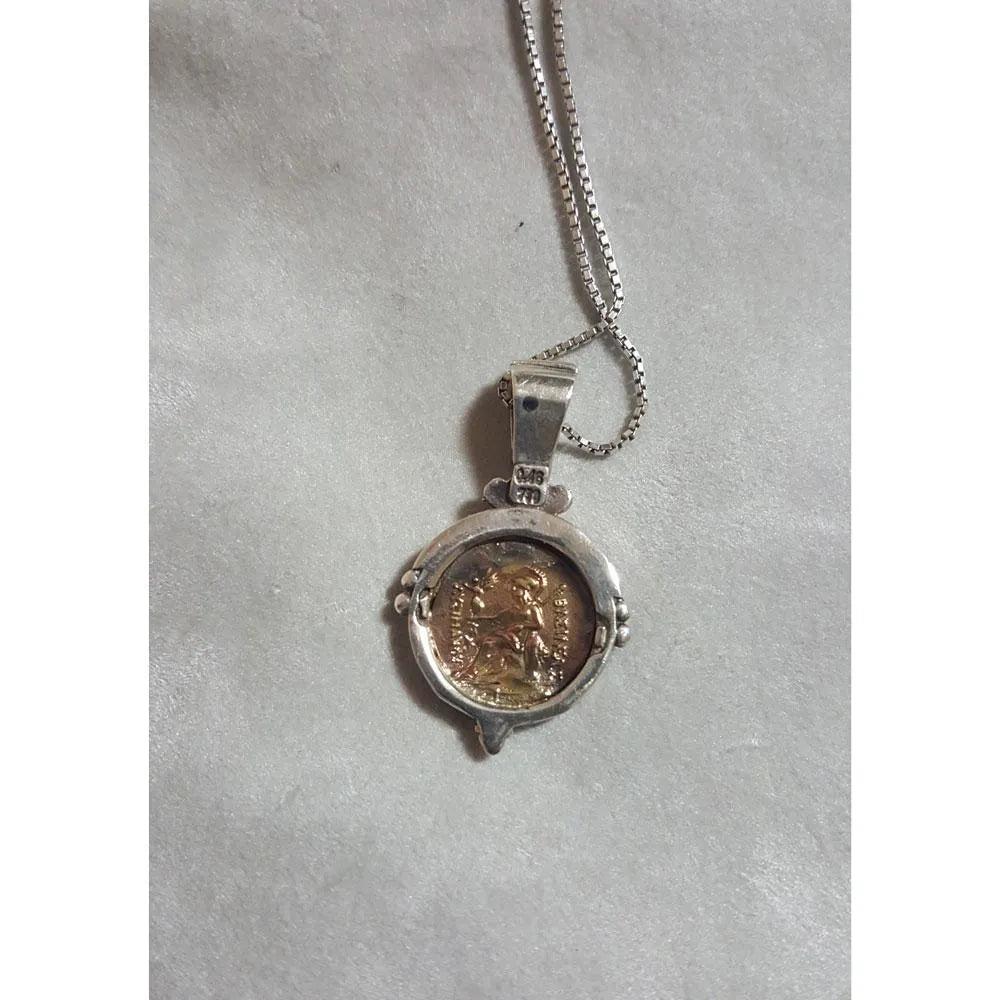
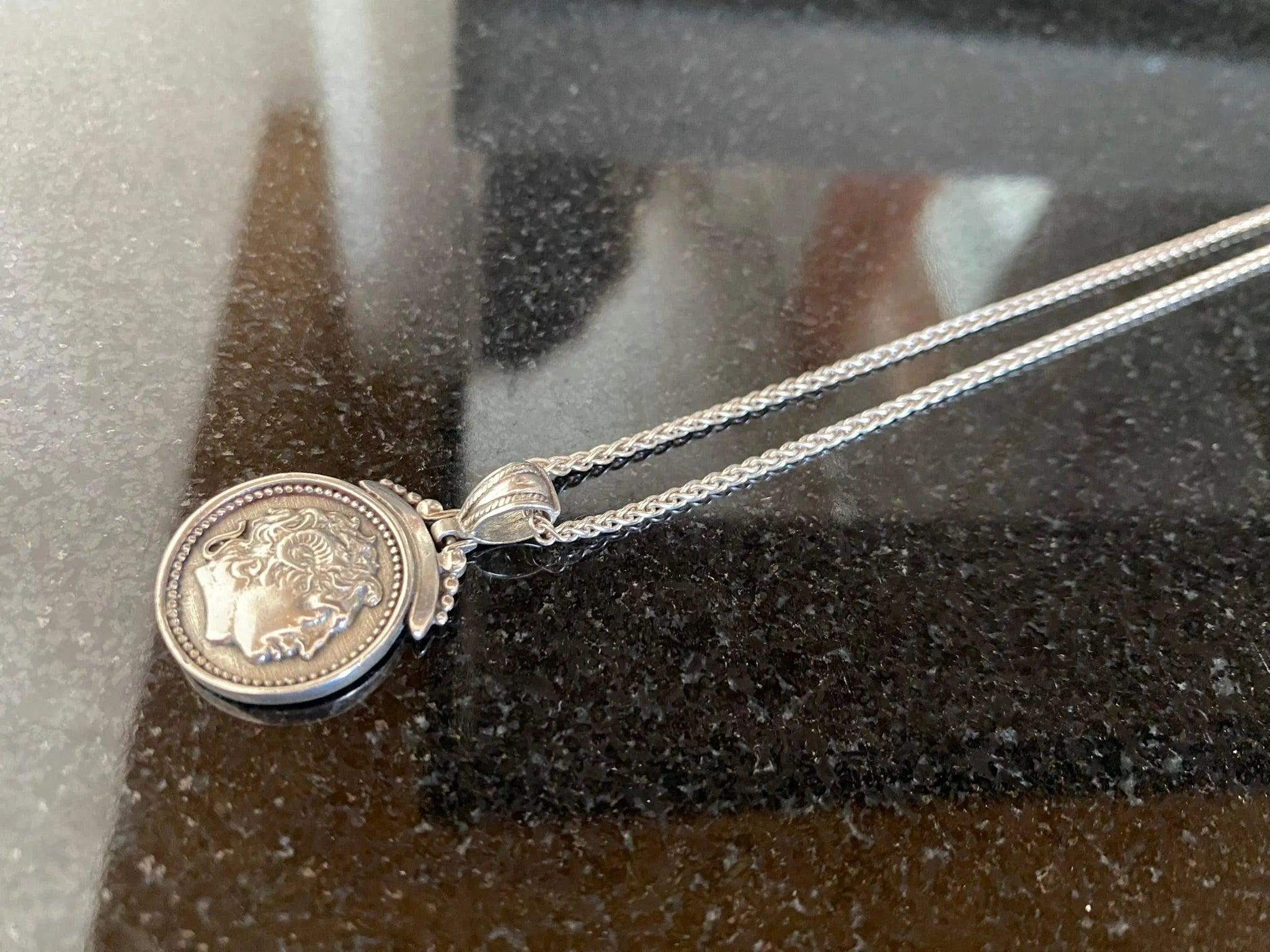
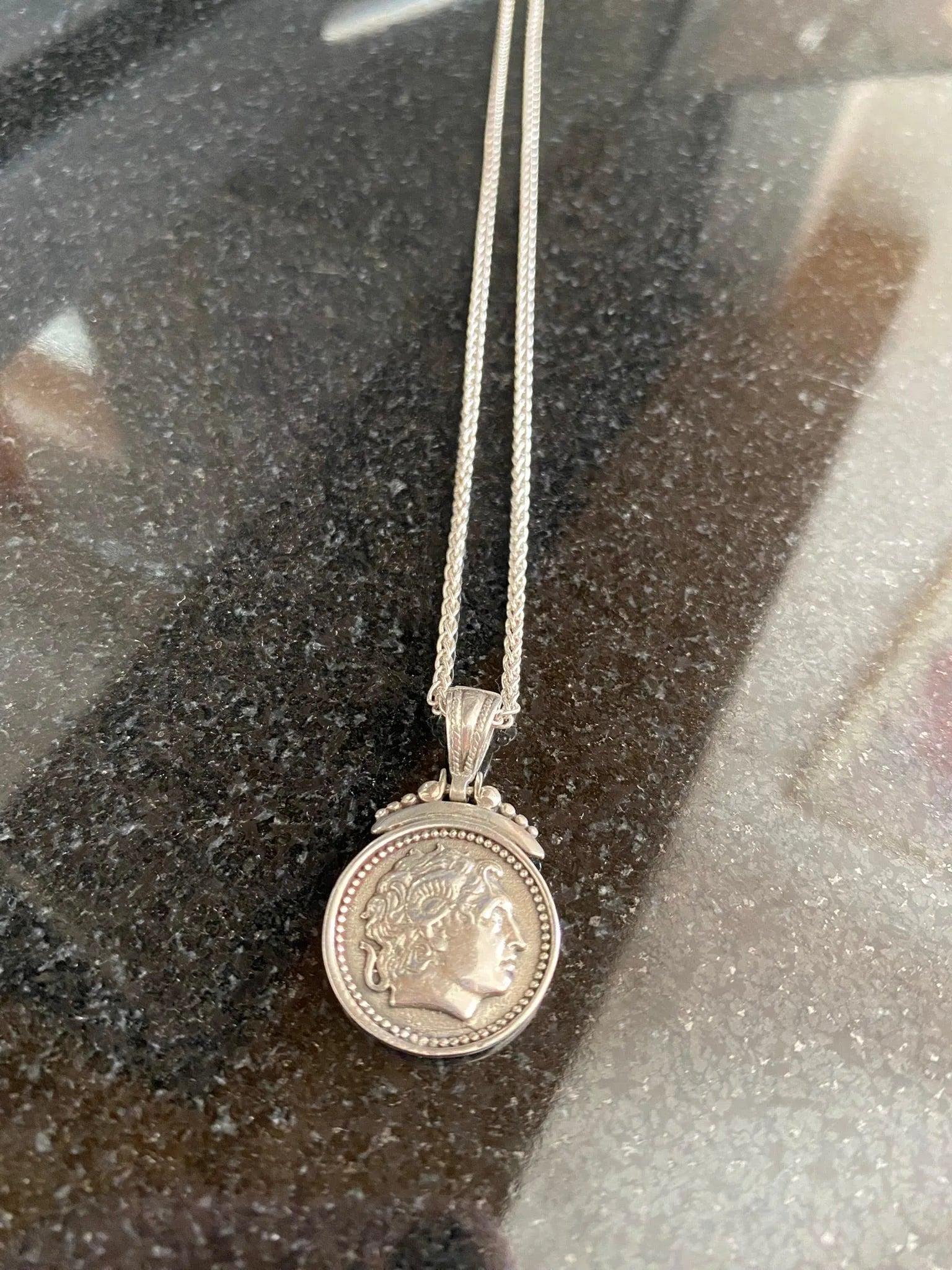
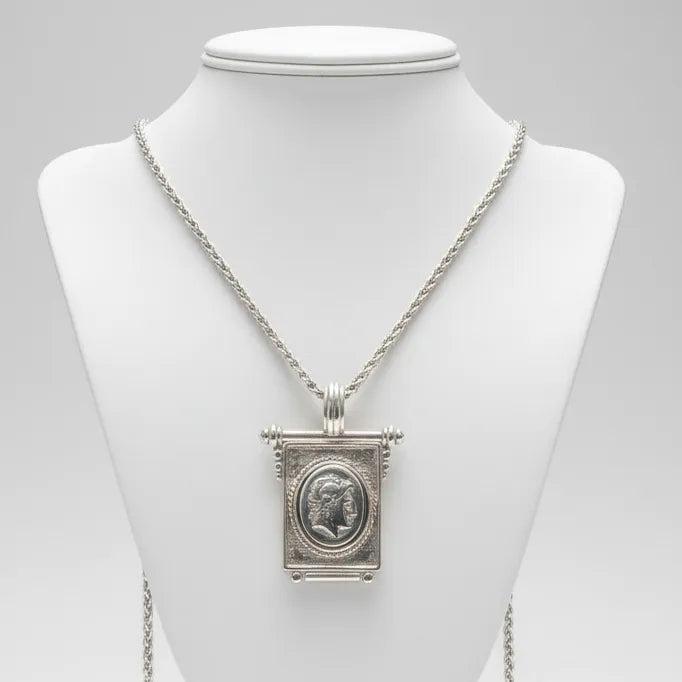
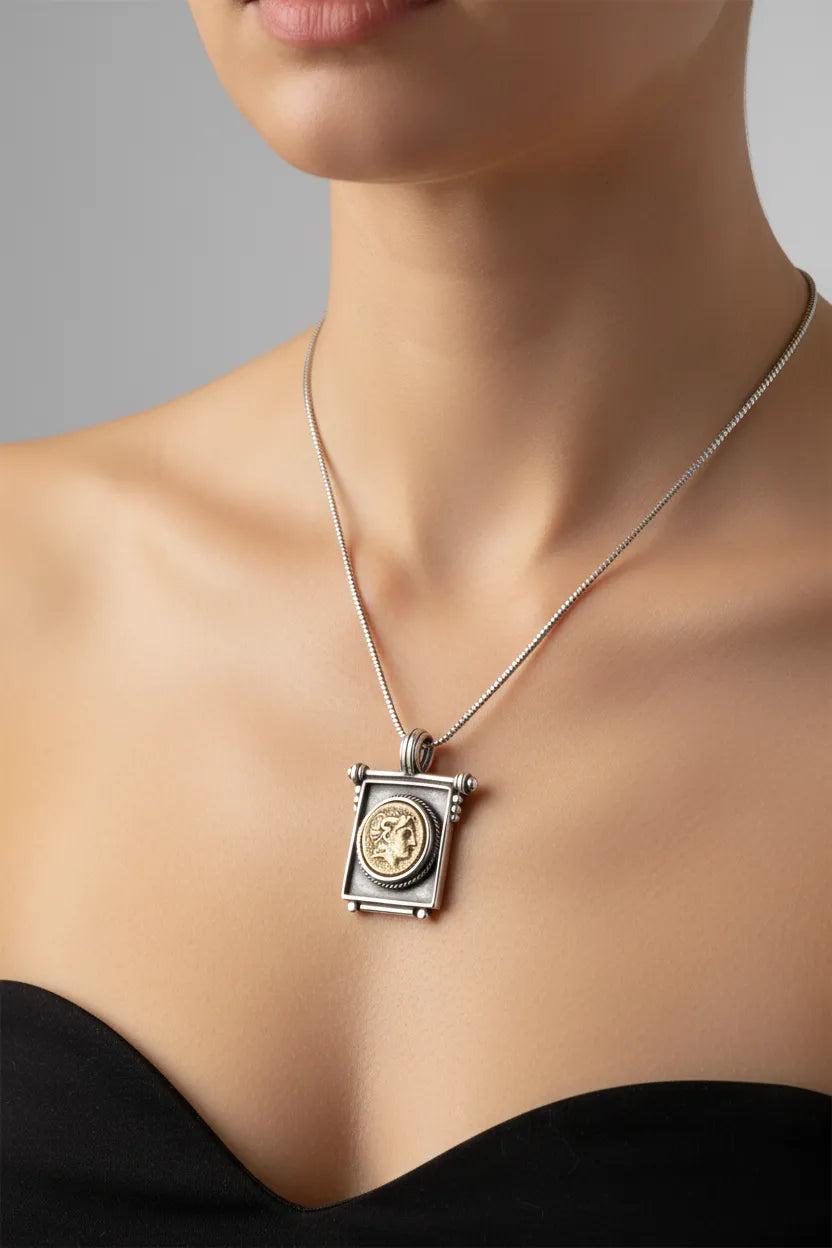
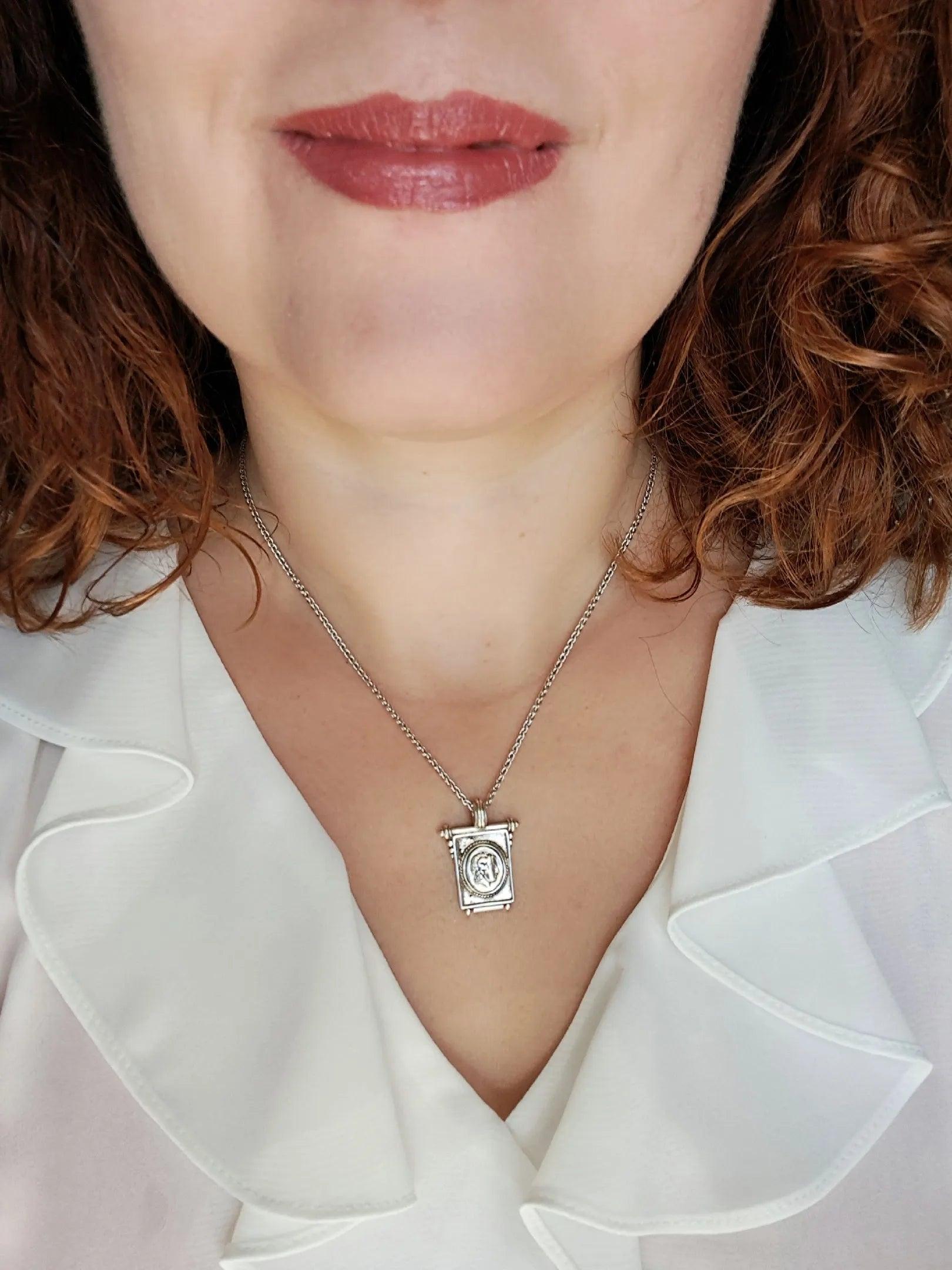
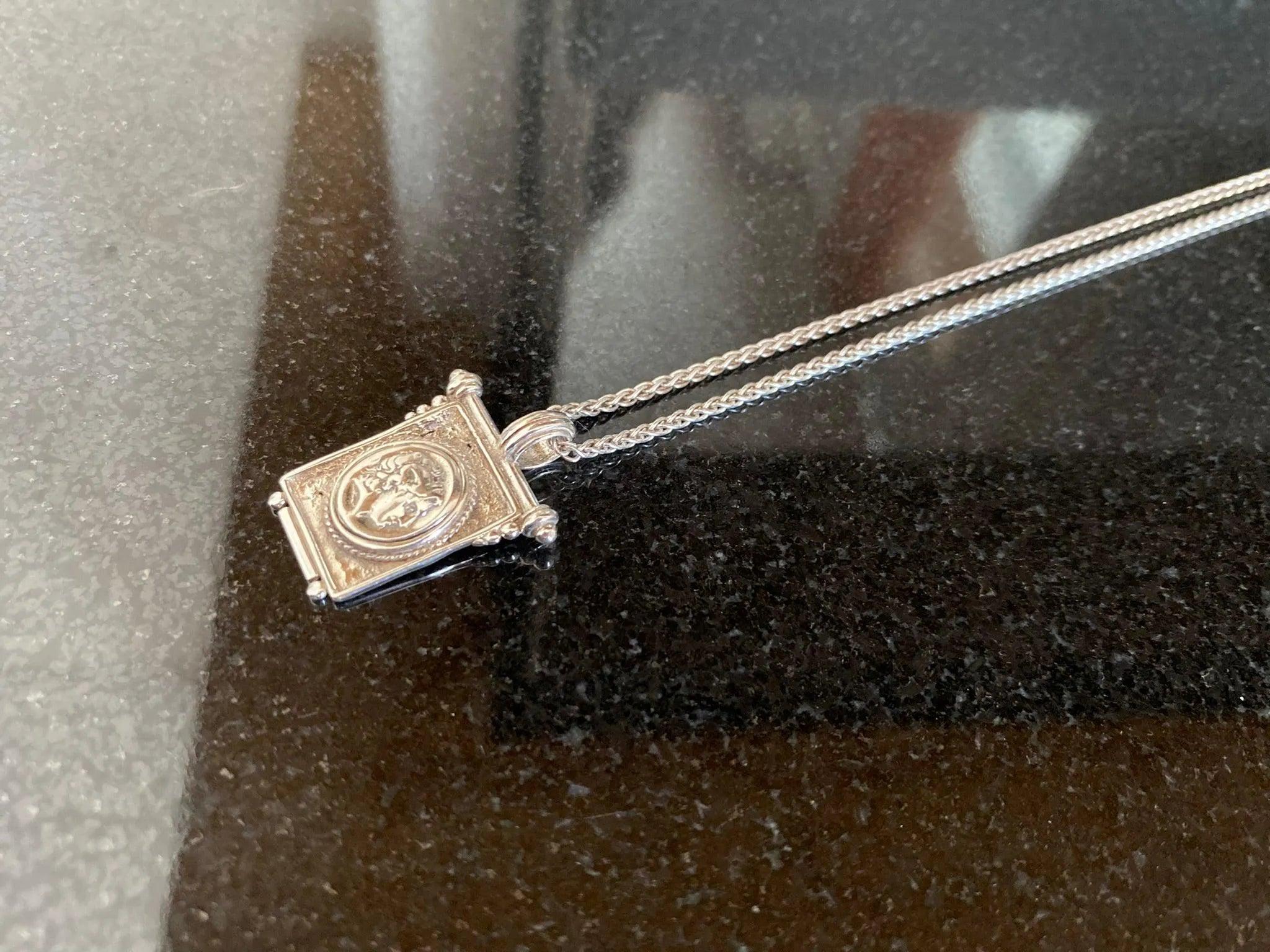
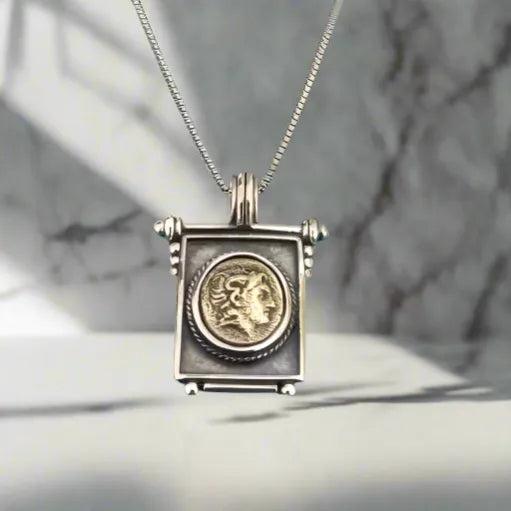
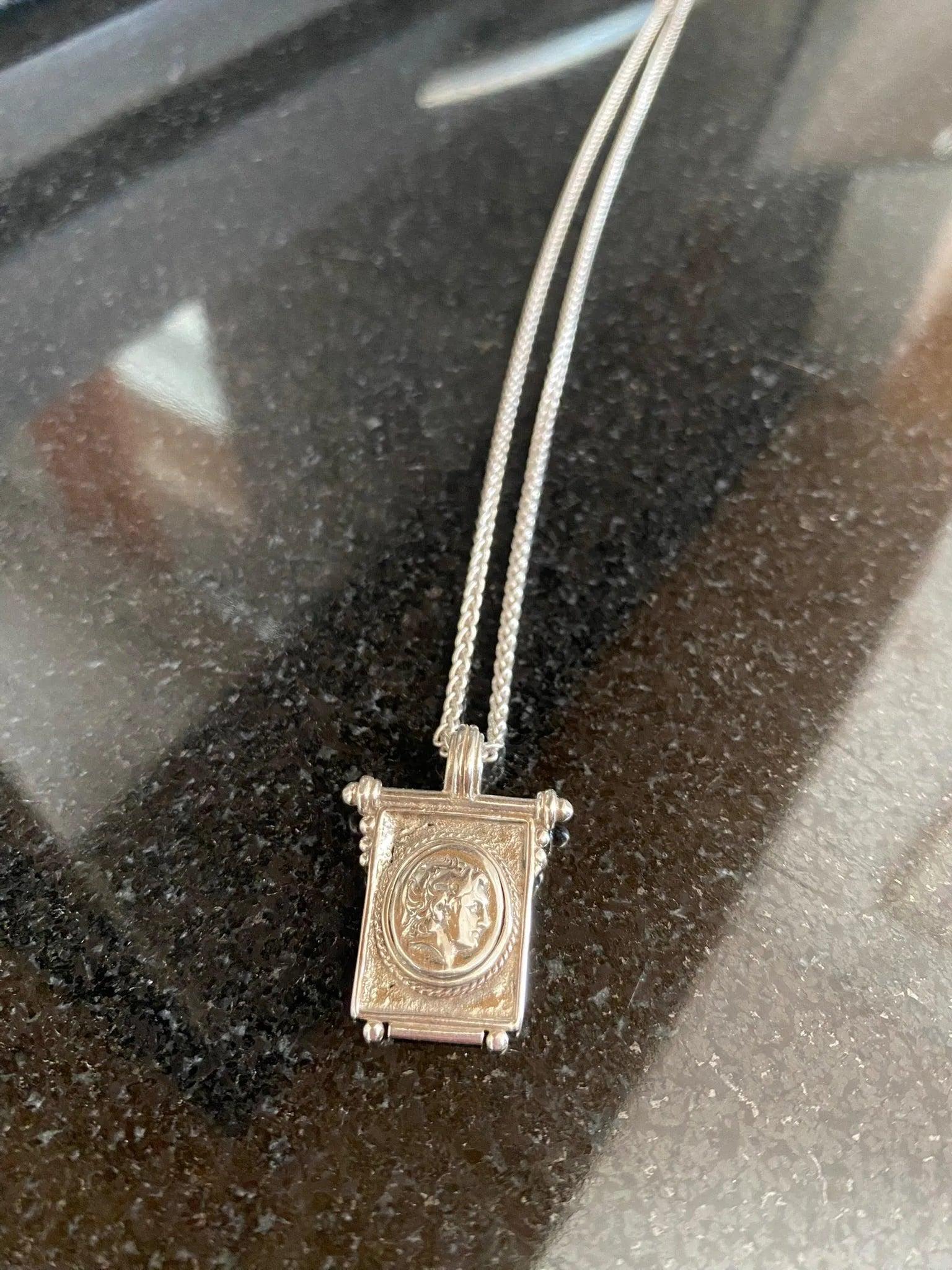
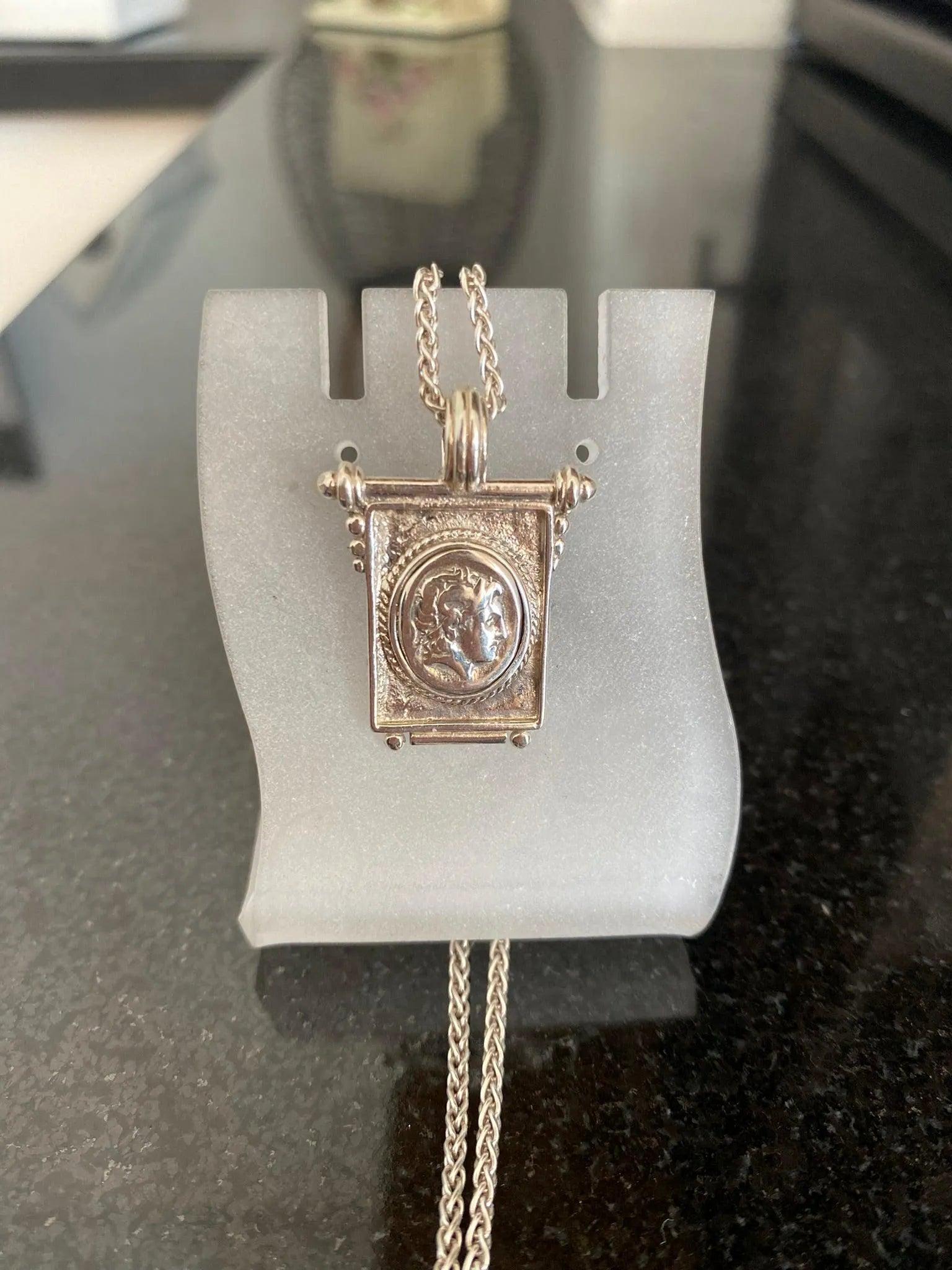
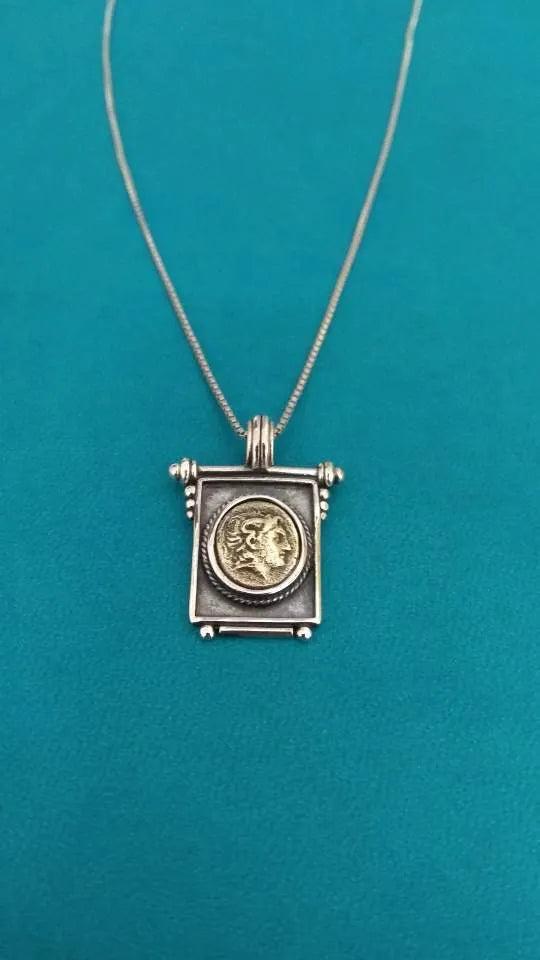
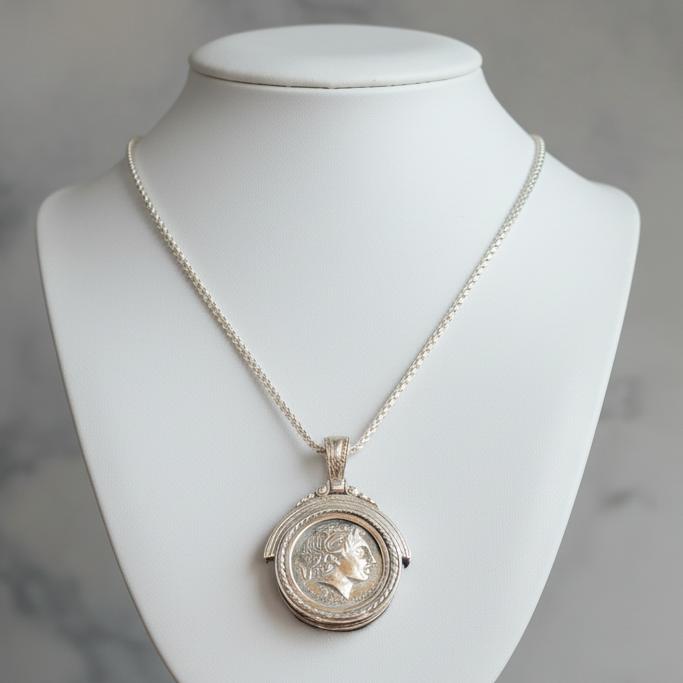
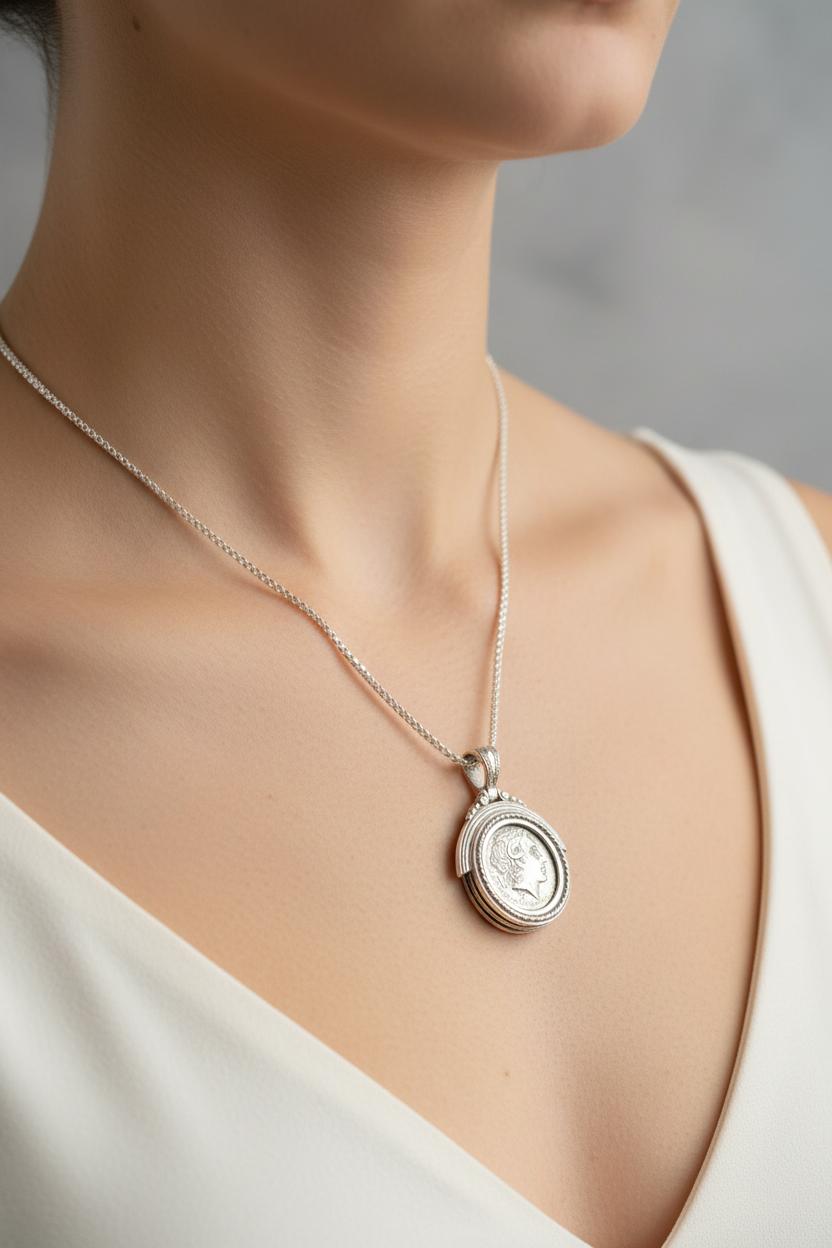
At Eleftheriou EL, the Alexander the Great Collection draws inspiration from this extraordinary chapter of Greek history.
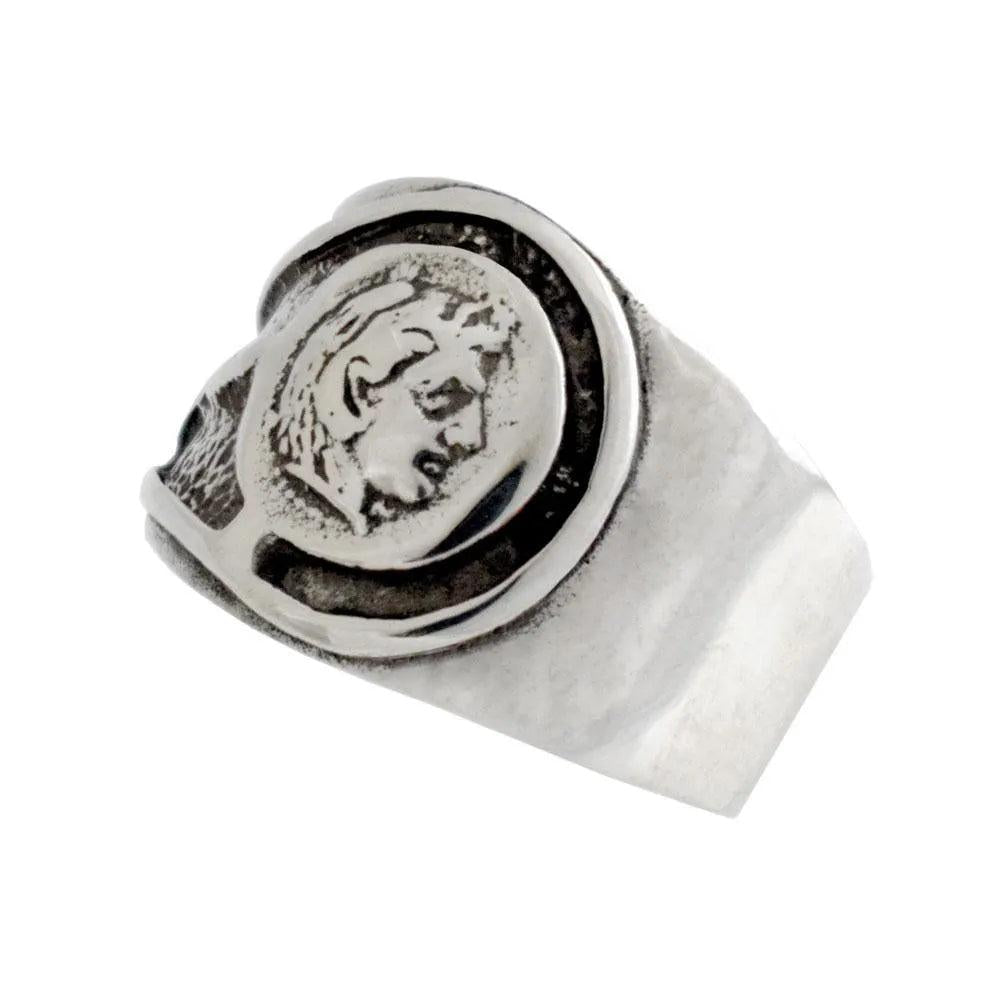
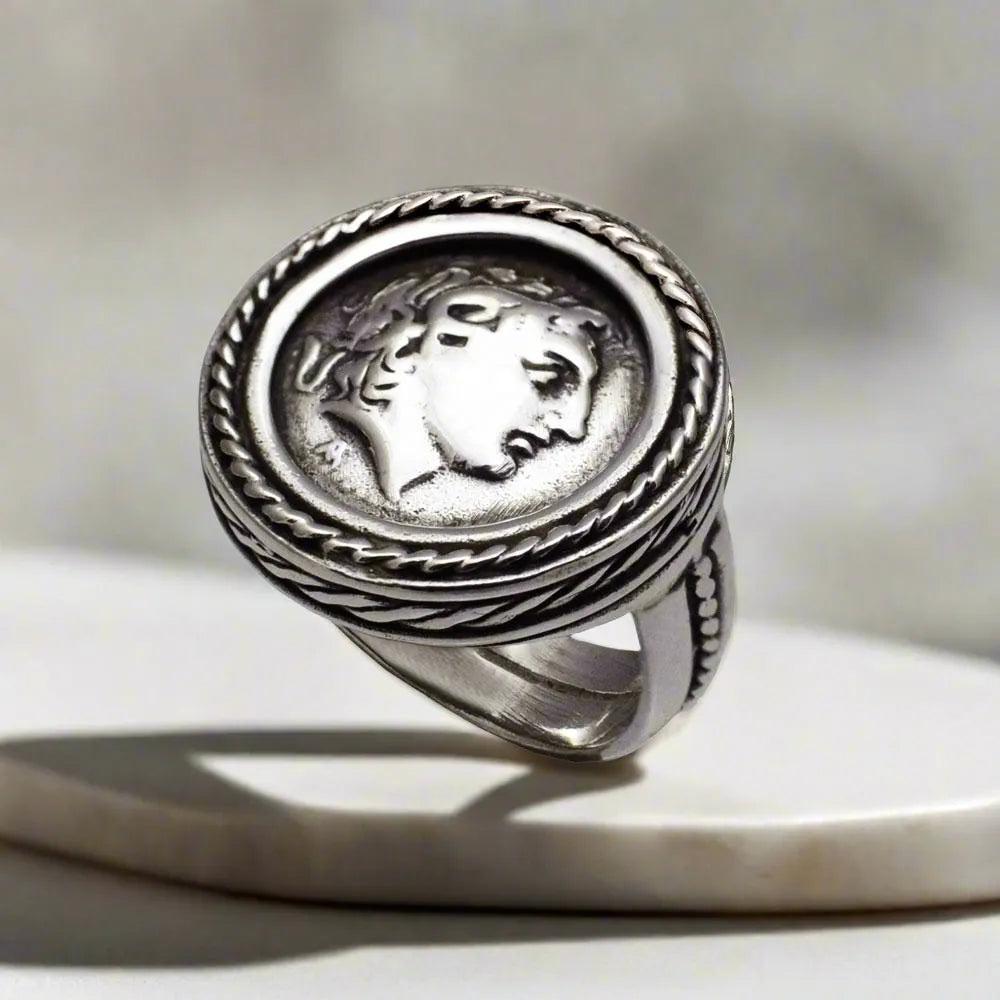
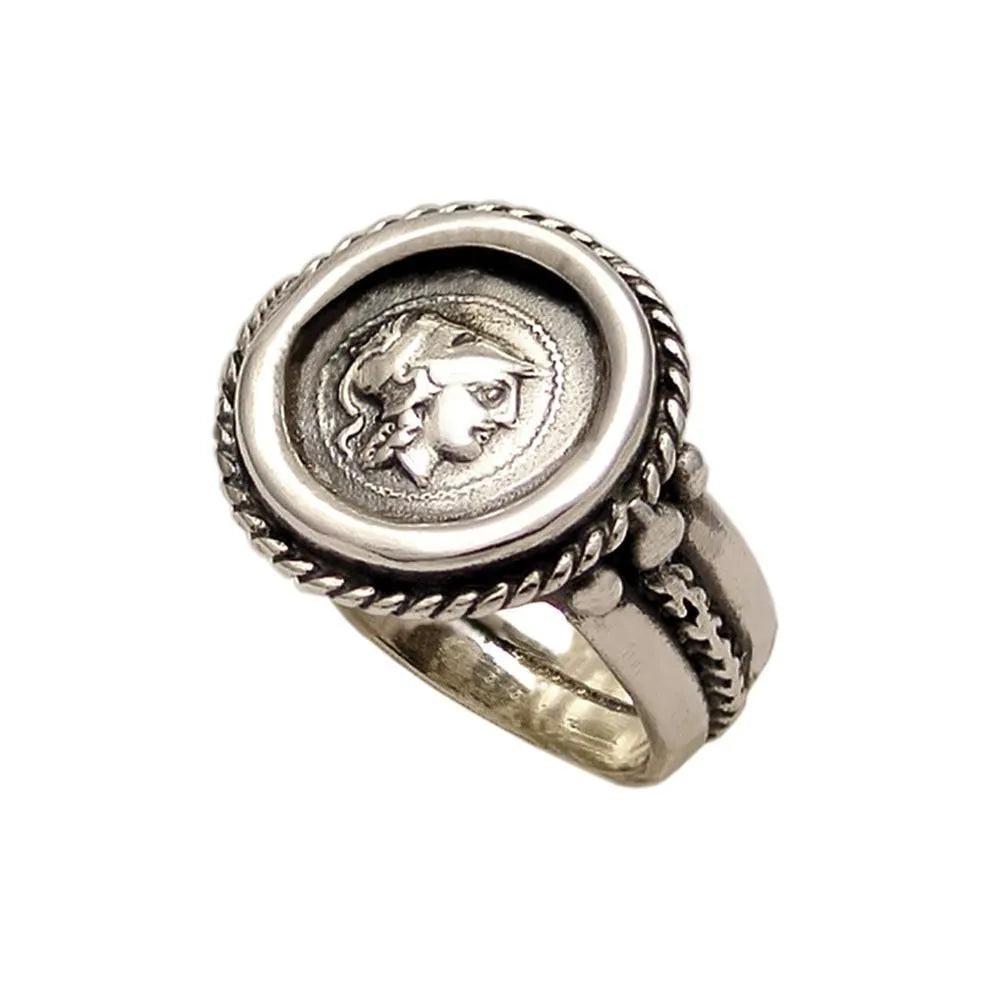
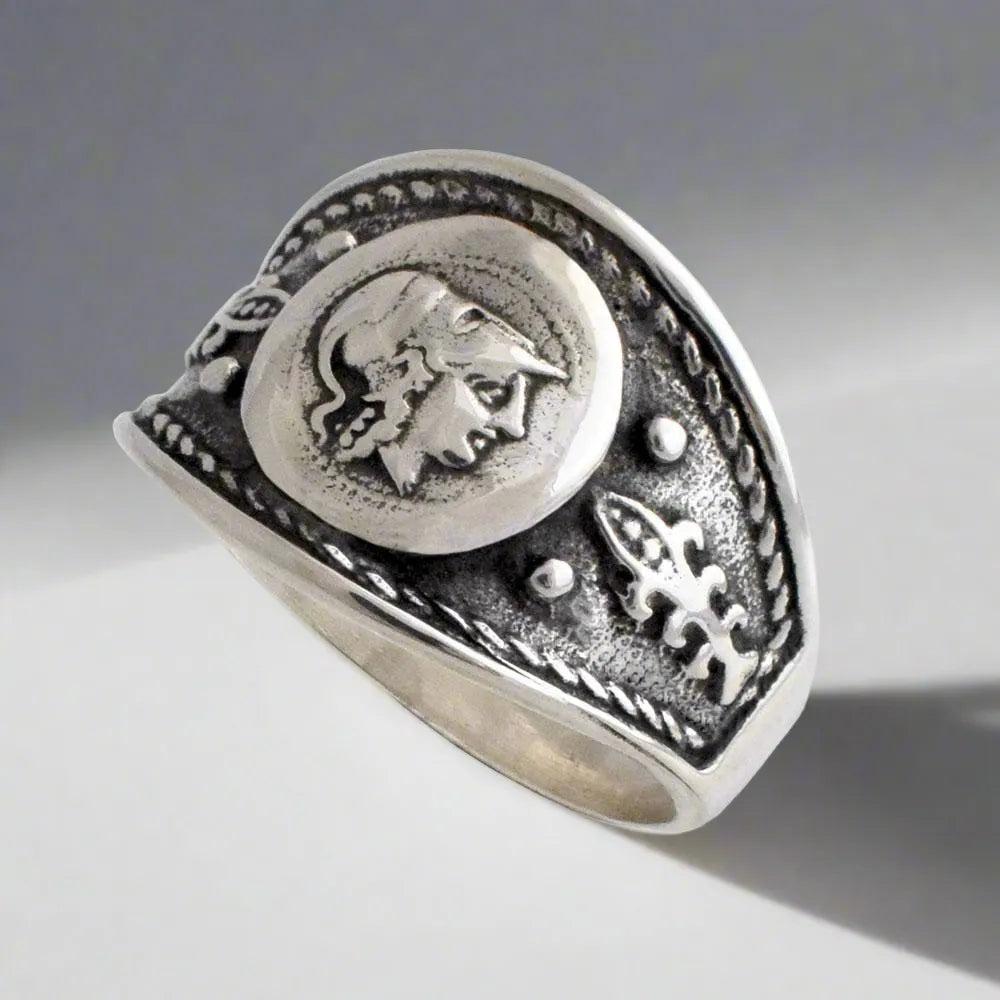
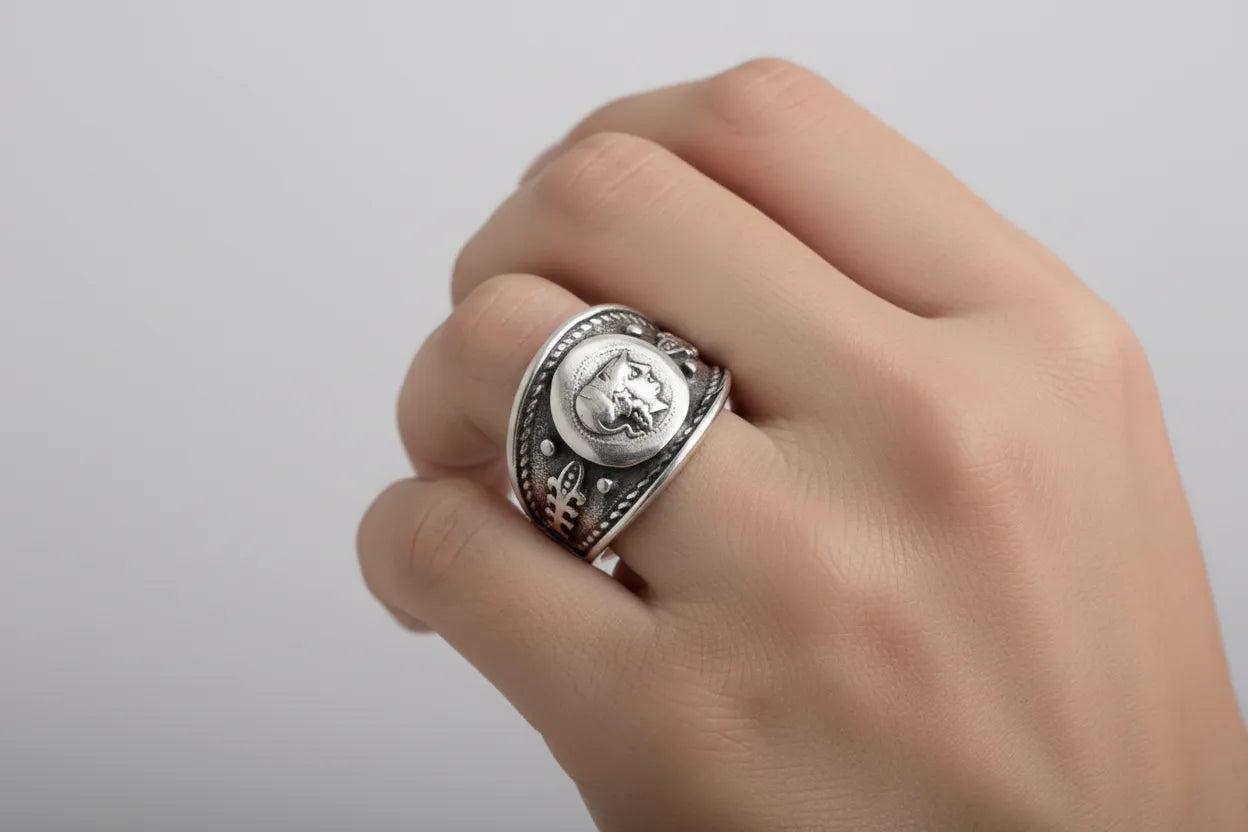
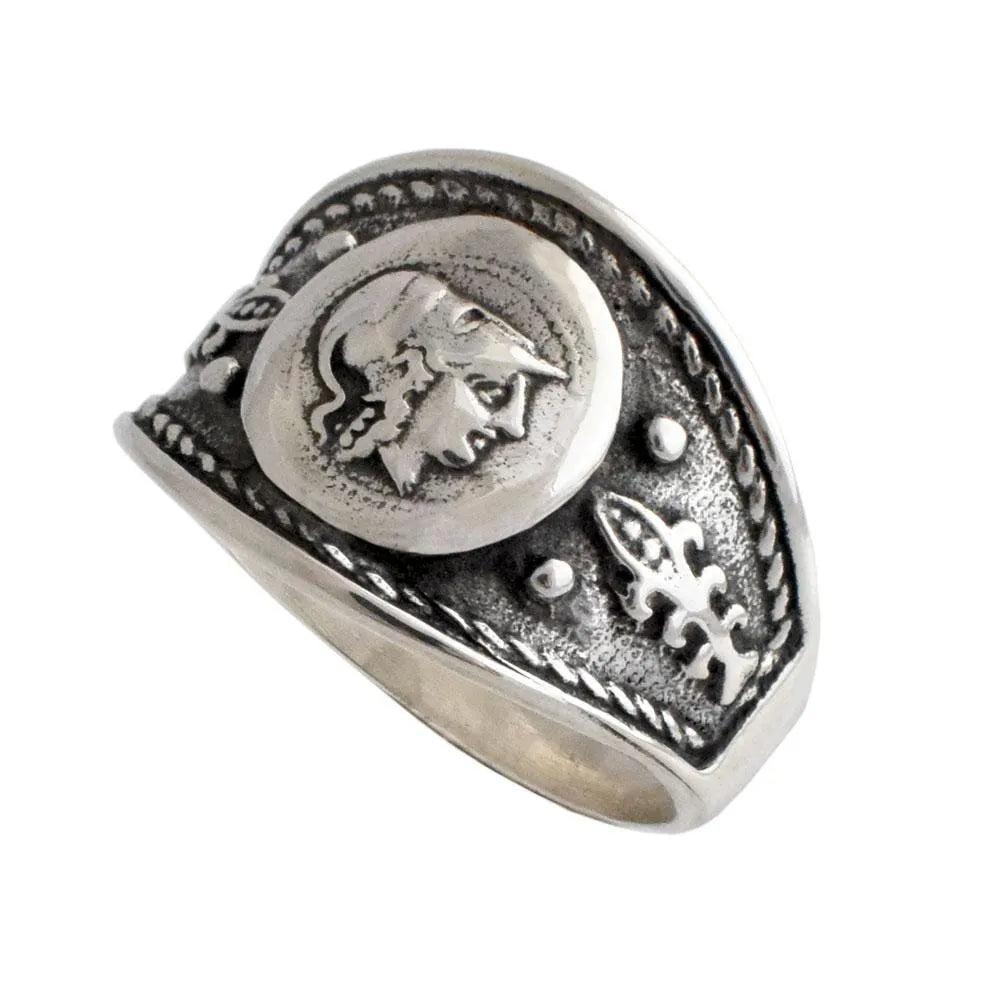
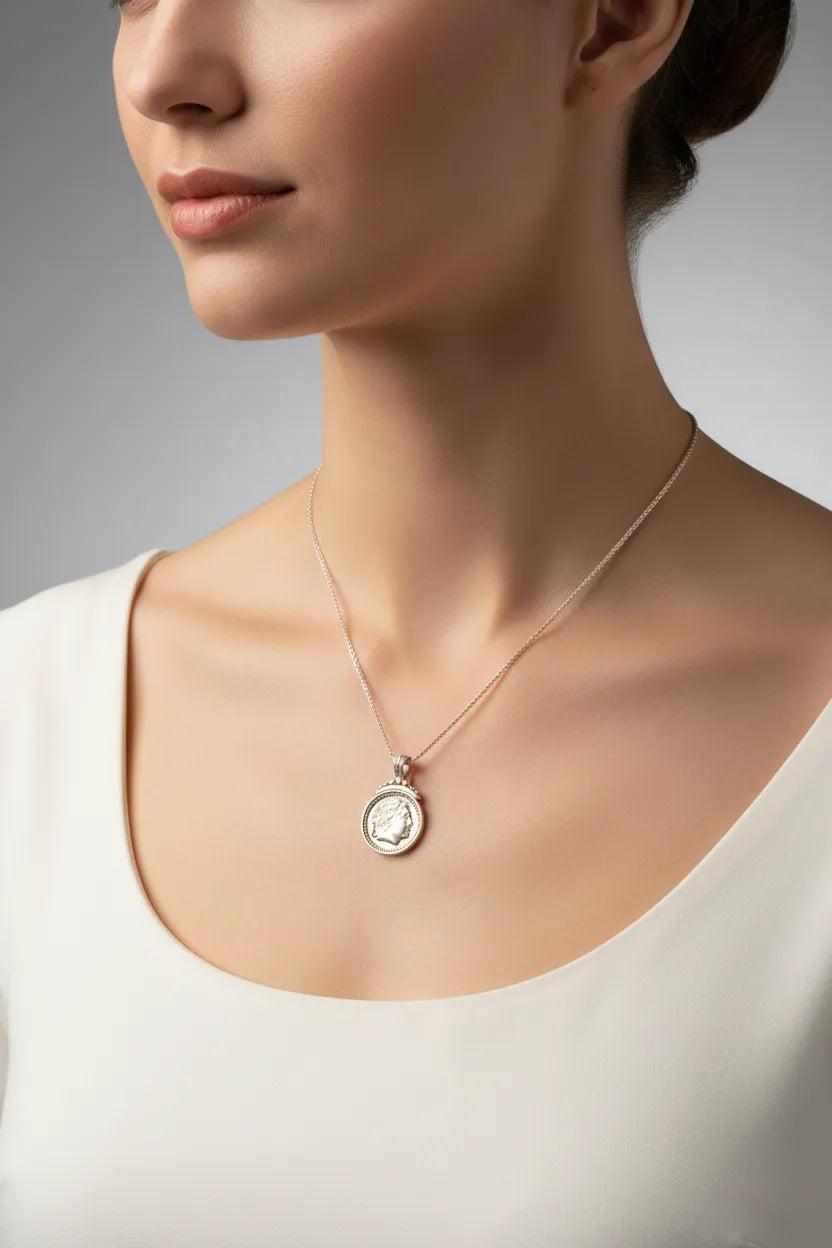
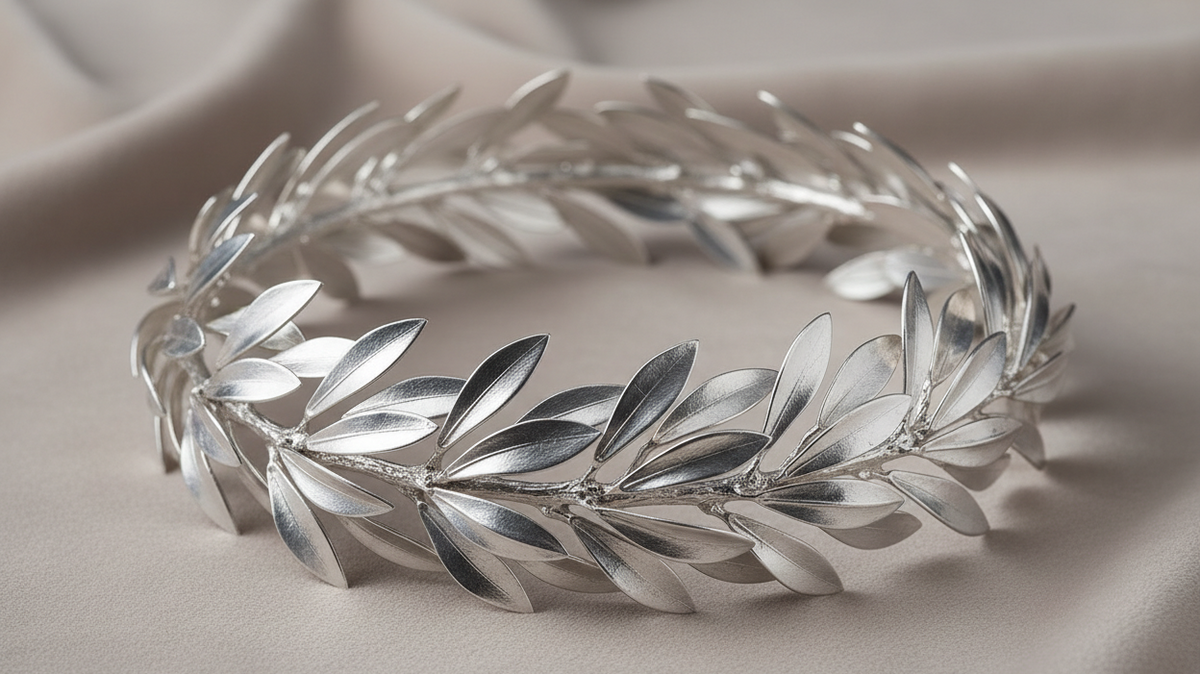
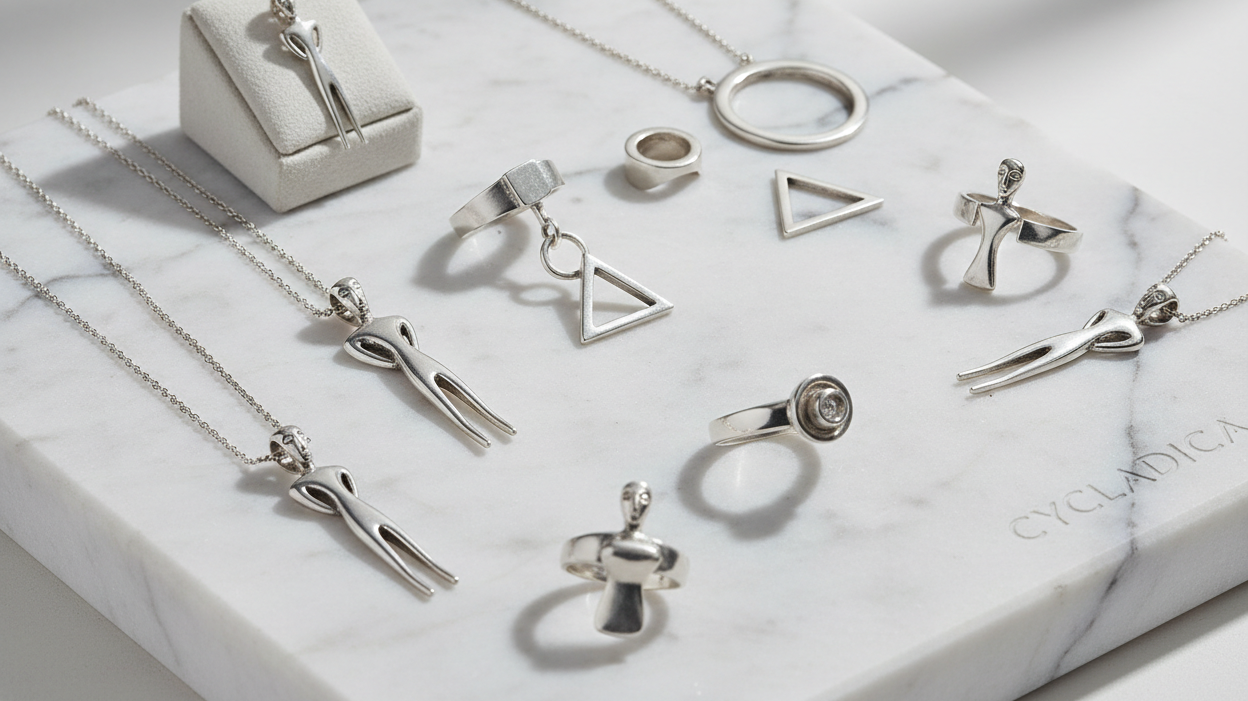
Our handcrafted creations reinterpret elements of ancient Greek and Macedonian heritage through contemporary design. Inspired by historical imagery, classical motifs, and the enduring legacy of Alexander, each piece connects the past with the present.
Handcrafted in Greece, the collection is created for those who appreciate not only beautiful objects, but also the stories and cultural heritage behind them.
A Legacy That Endures
Alexander died in Babylon in 323 BC at only thirty-two years of age. His empire was subsequently divided among his generals, but the cultural world that emerged from his campaigns continued to develop for centuries.
The Hellenistic period that followed became one of the most influential chapters in the history of the ancient Mediterranean and Near East.
Today, Alexander’s name remains synonymous with ambition, exploration, and historical transformation.
His story reminds us that some legacies extend far beyond a single lifetime.
Discover the Alexander the Great Collection
Explore our Alexander the Great Collection, where ancient Greek heritage meets contemporary craftsmanship.
Each creation is inspired by the history, symbolism, and artistic traditions surrounding one of the most remarkable figures of the ancient world.