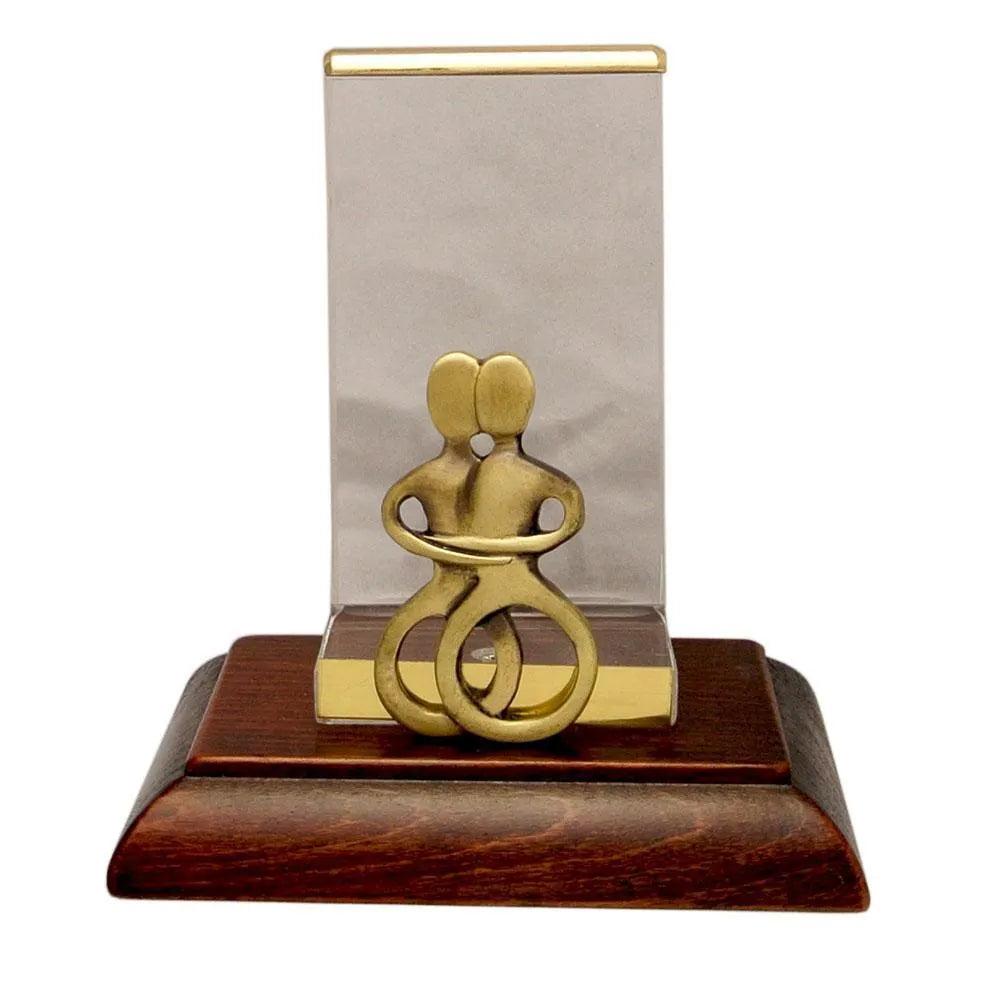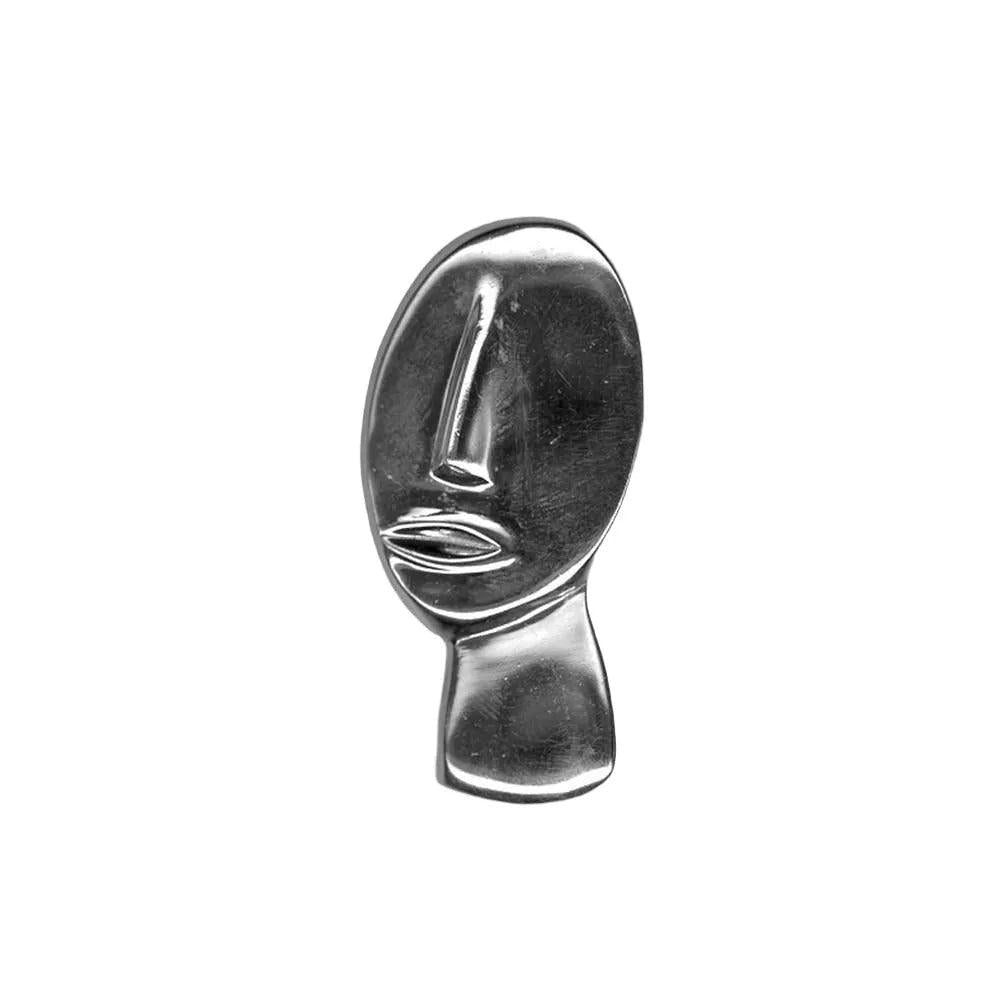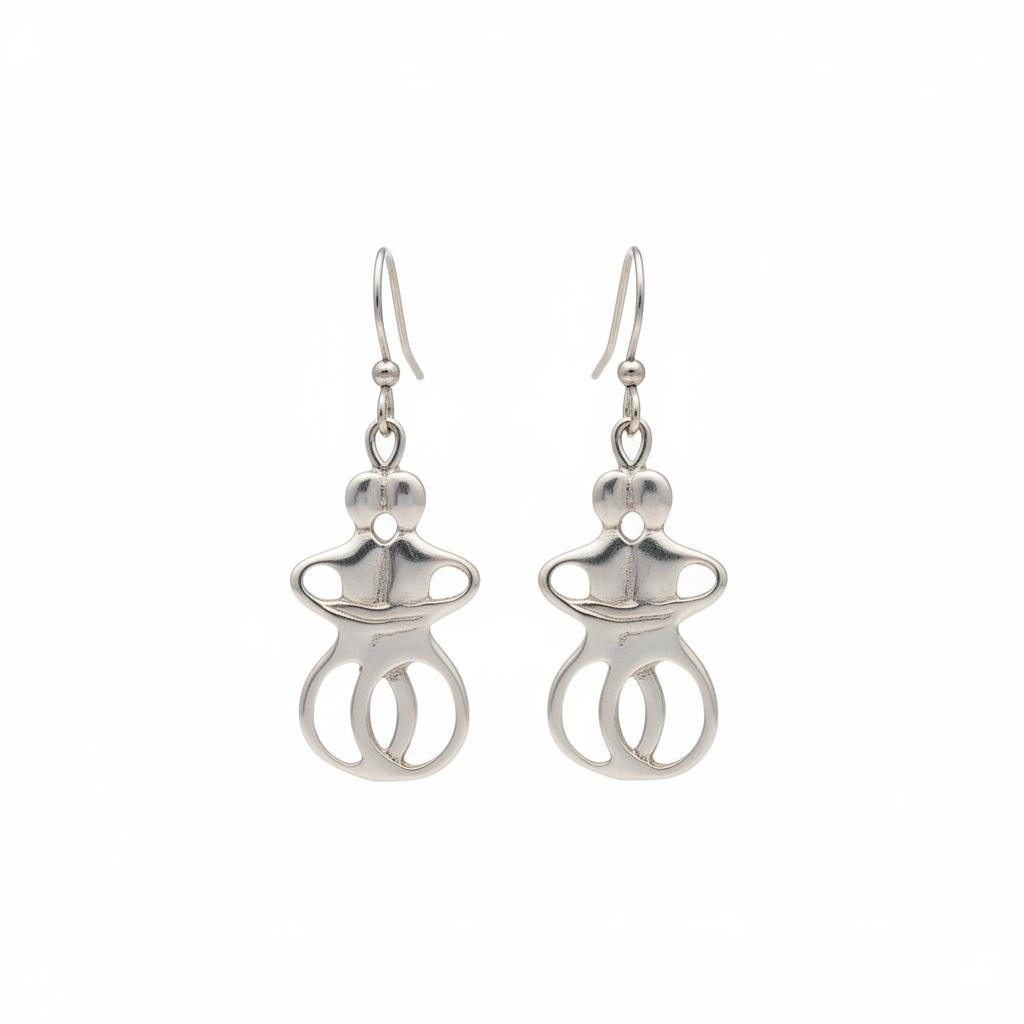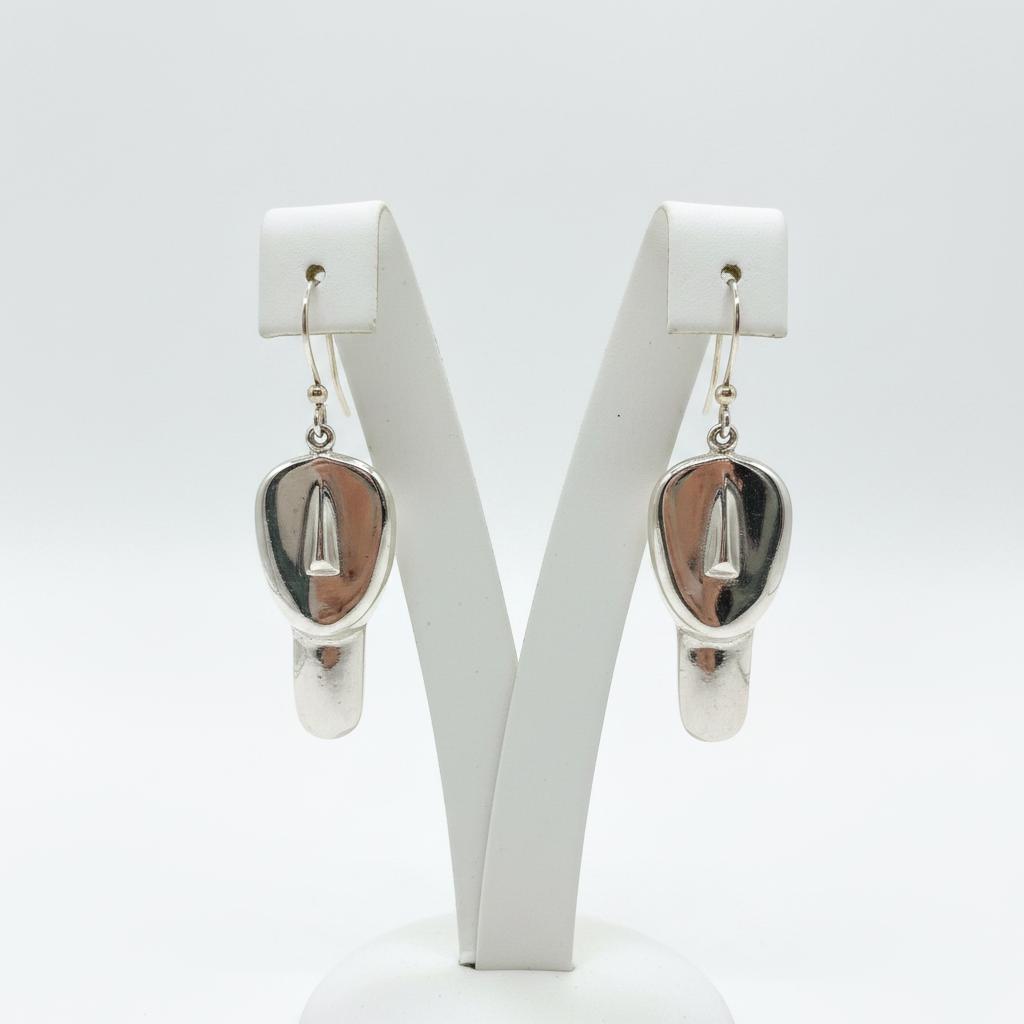

There is something remarkably modern about Cycladic art.
Clean lines. Simplified forms. Balanced proportions. A quiet sense of beauty.
Yet these distinctive forms were created thousands of years ago, during the Early Bronze Age in the islands of the Aegean Sea.
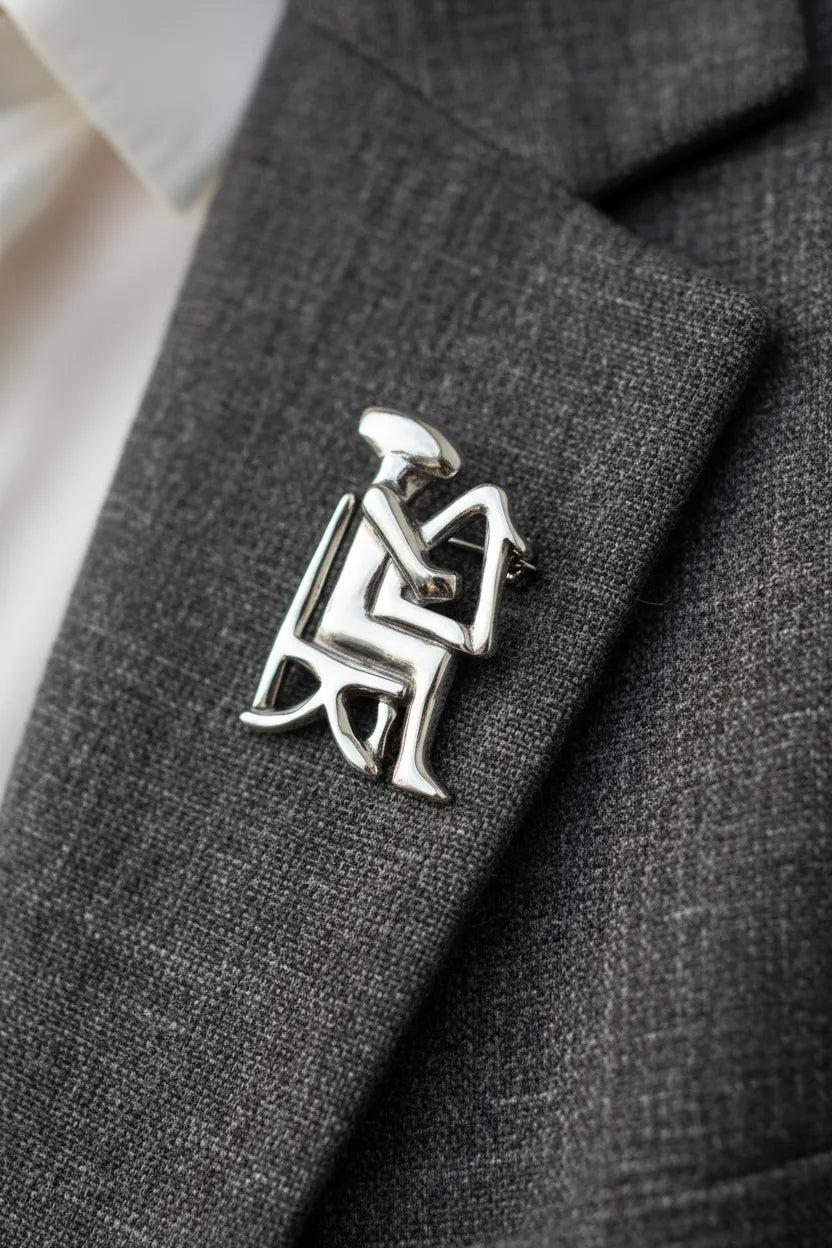
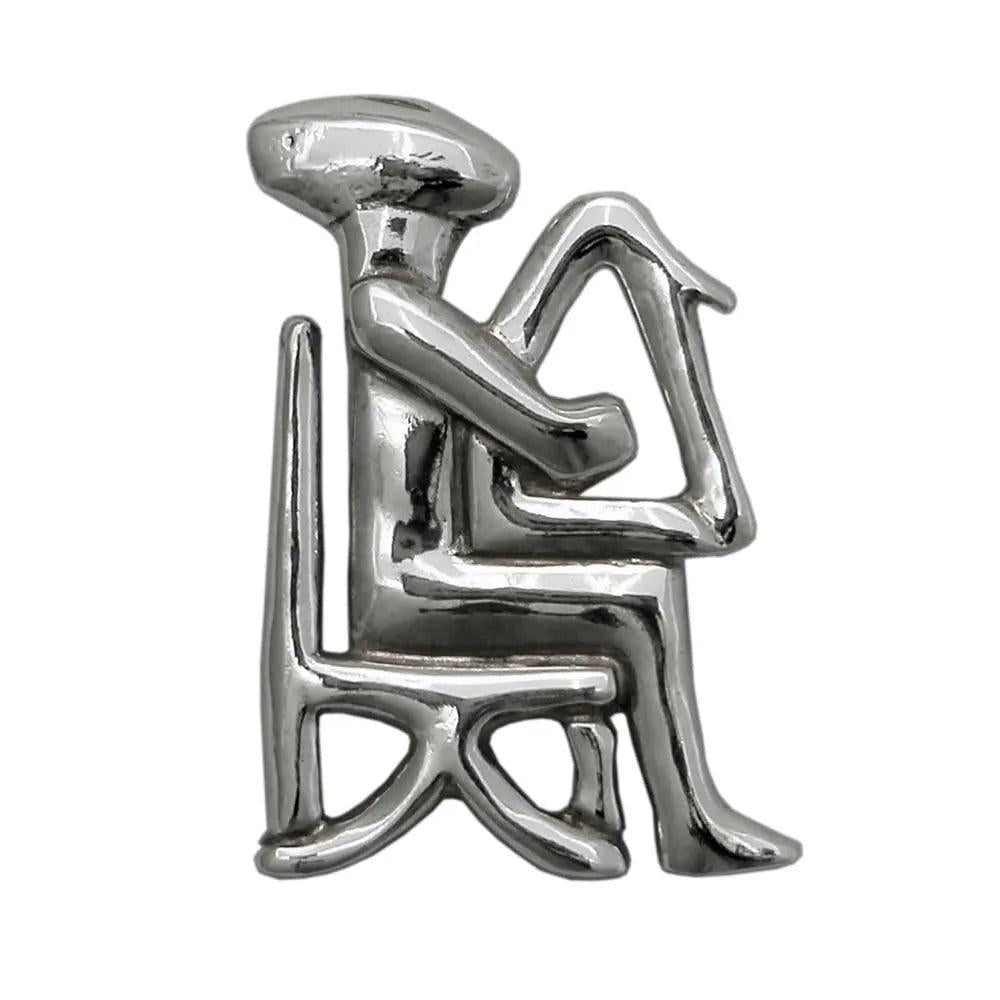
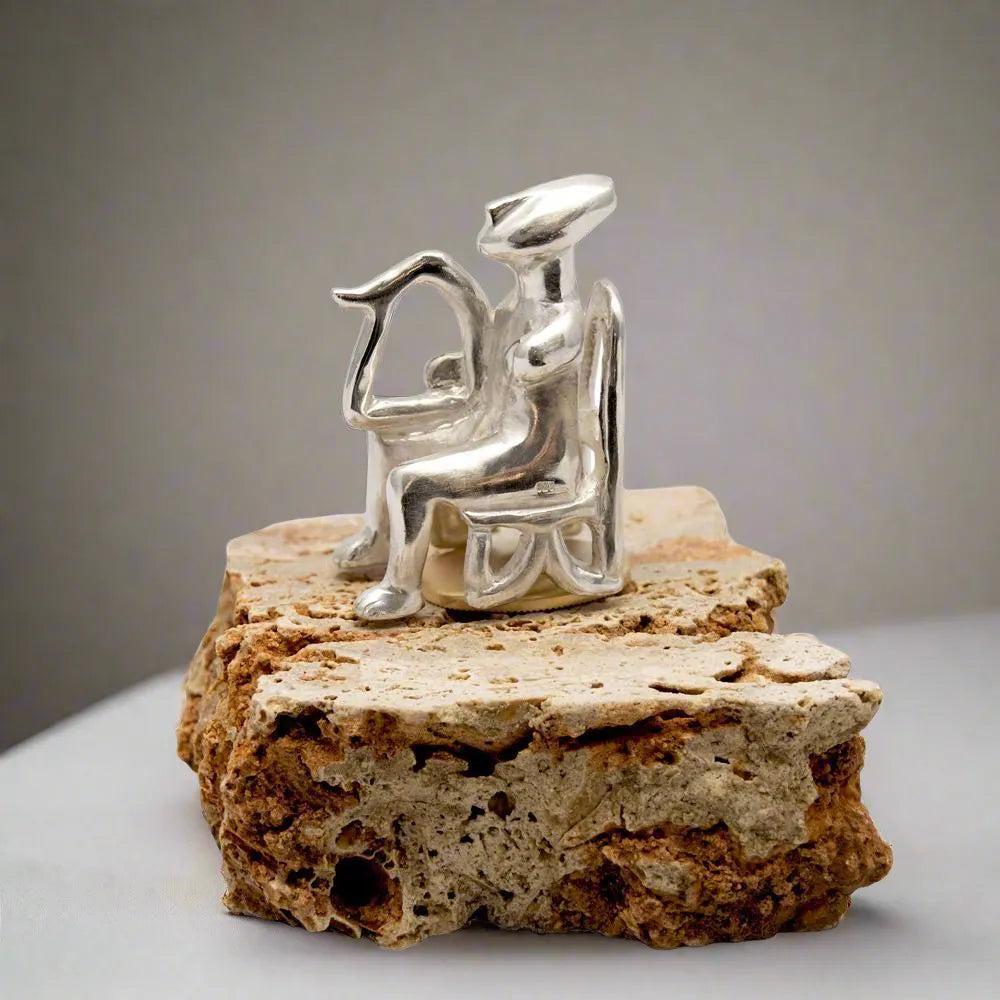
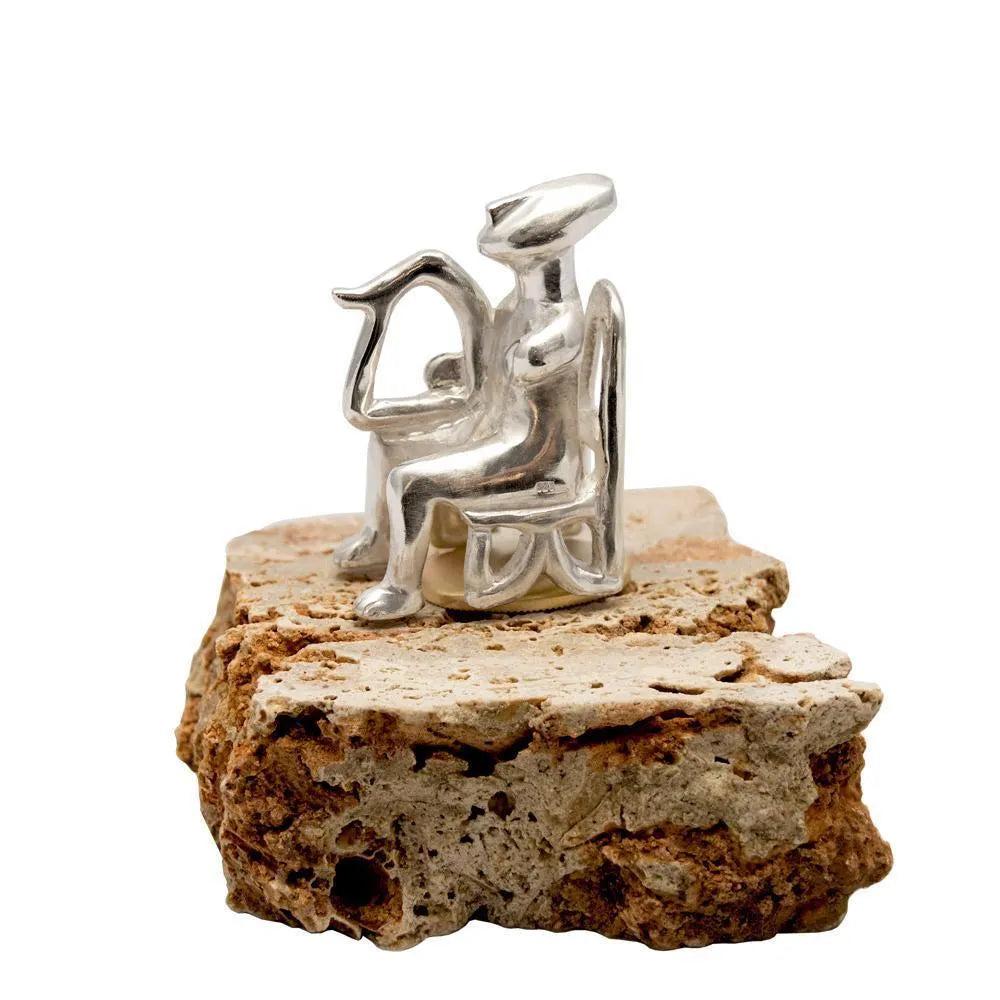
Today, Cycladic art is recognized around the world for its elegant simplicity and continues to inspire artists, architects, designers, and jewelry makers. At Eleftheriou EL, this ancient aesthetic provides the inspiration for creations that connect the timeless beauty of the Aegean with contemporary Greek craftsmanship.
What Is Cycladic Art?
Cycladic art refers to the artistic traditions that developed in the Cycladic islands of the Aegean Sea, particularly during the Early Bronze Age, from approximately the third millennium BC.
The Cyclades include islands such as Naxos, Paros, Syros, Amorgos, and Keros, situated between mainland Greece and Crete.
The region's island communities developed distinctive traditions in sculpture, pottery, metalwork, and other forms of craftsmanship.
Among the most recognizable surviving works are the famous Cycladic marble figurines.
The Famous Cycladic Figurines
Cycladic figurines are among the most iconic objects of prehistoric Aegean art.
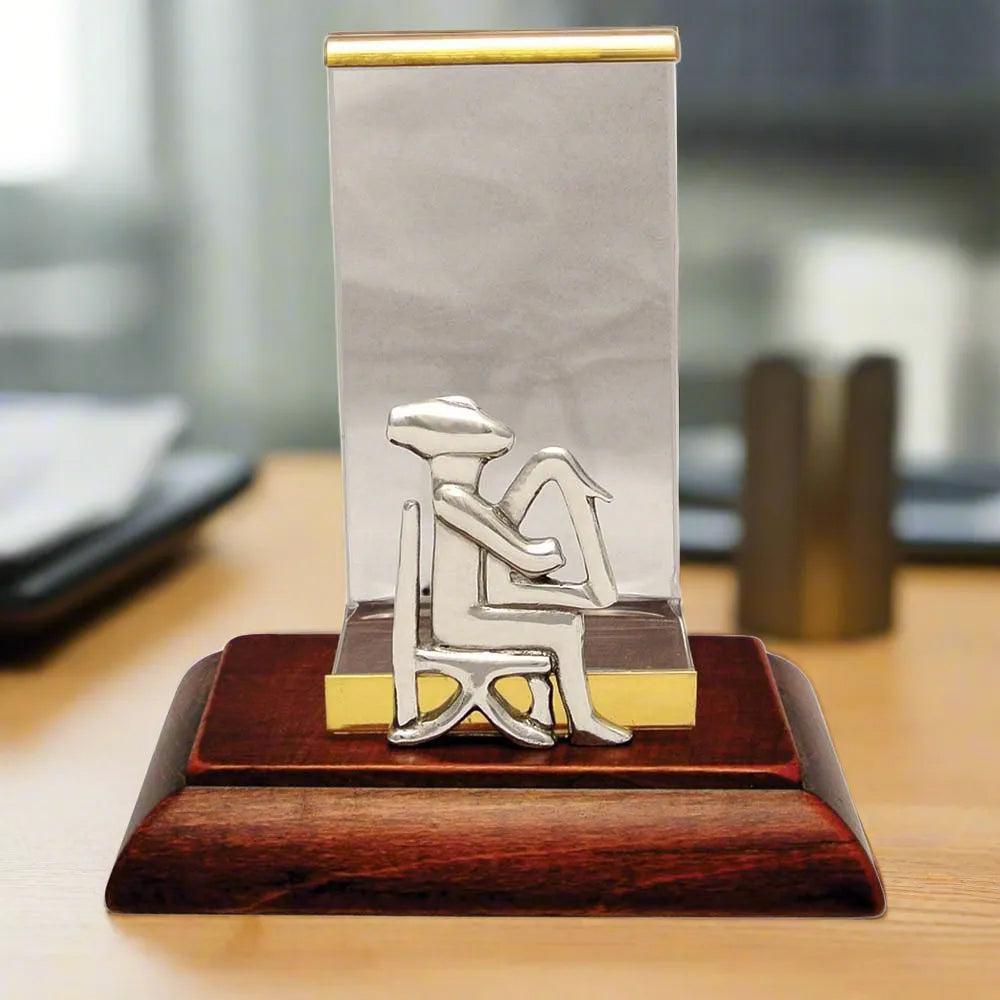
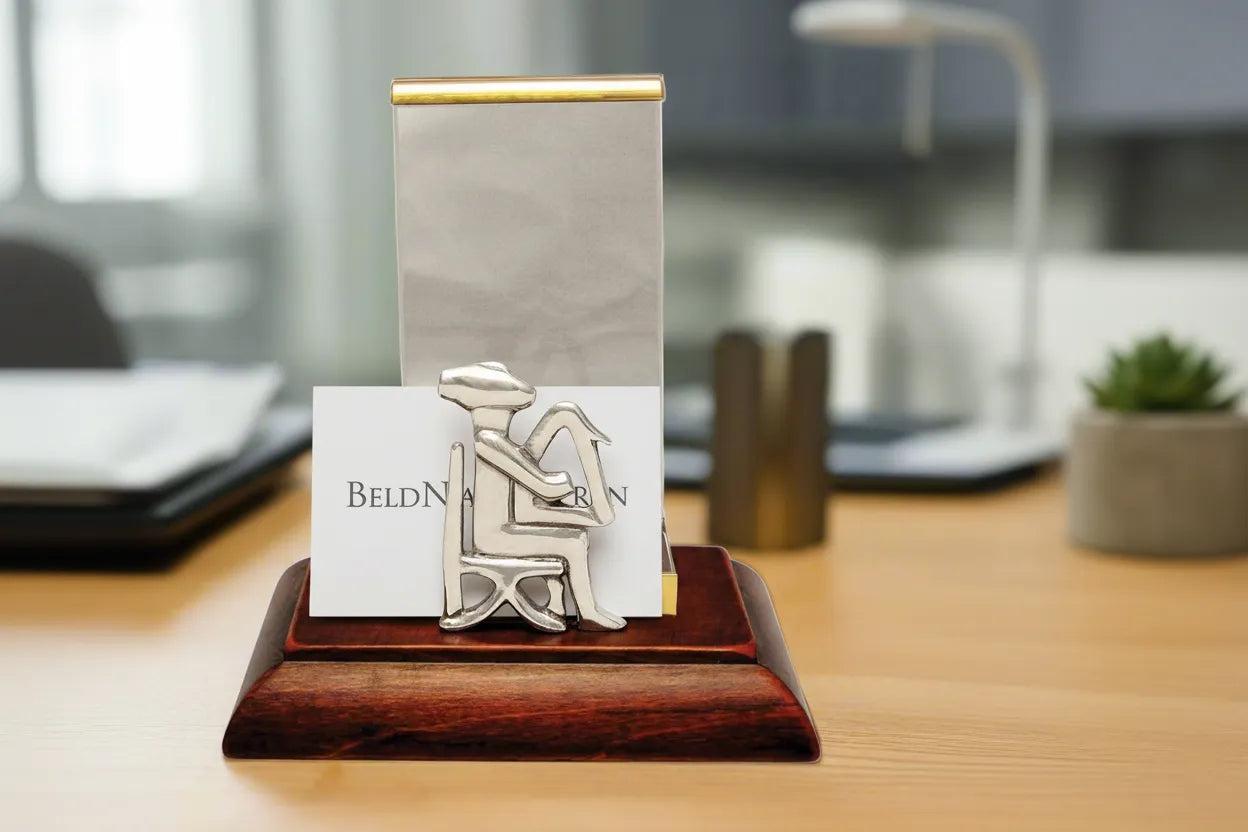
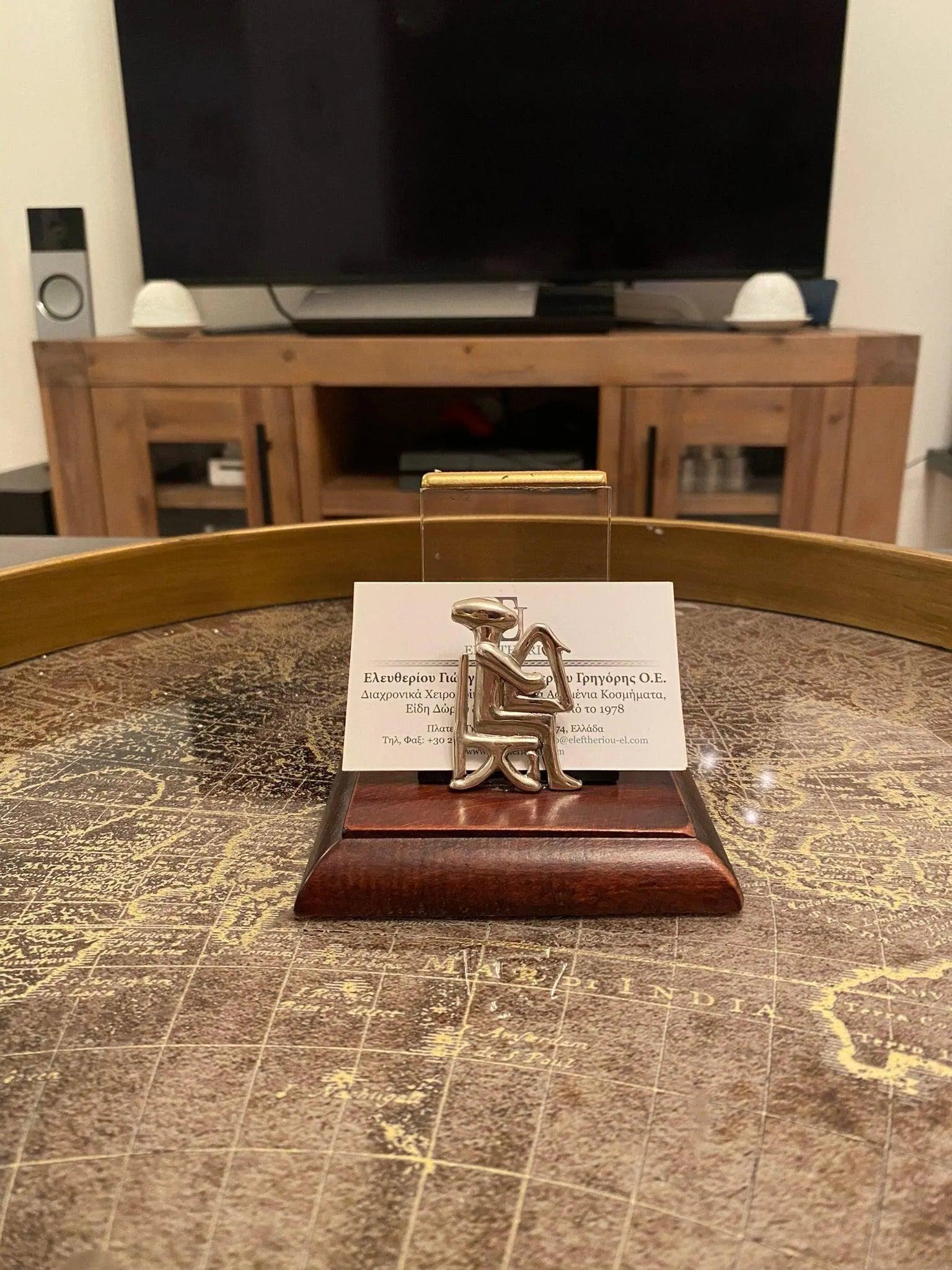
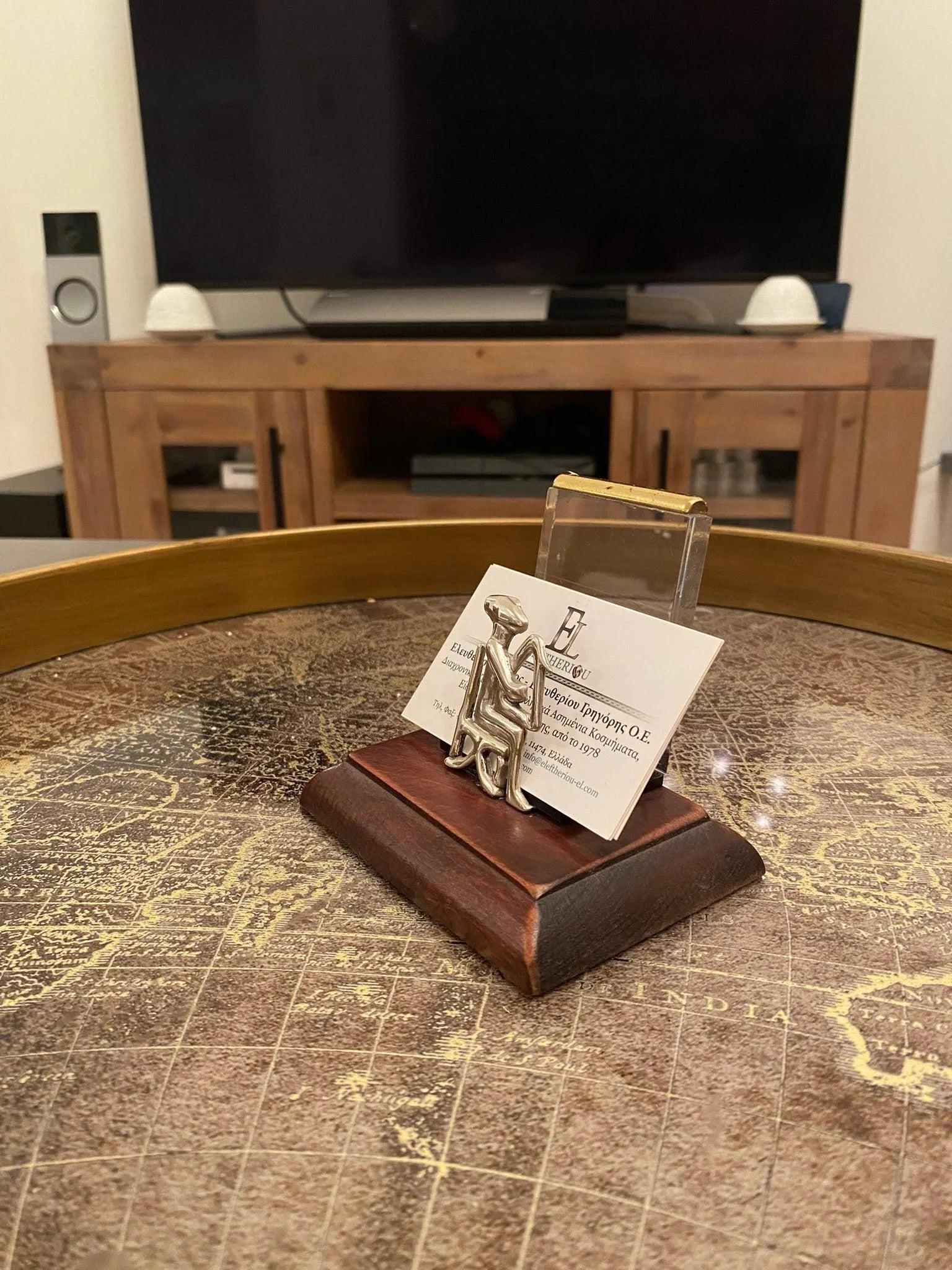
Many represent simplified human figures, often with folded arms and carefully balanced proportions. Their smooth marble surfaces and restrained forms create an aesthetic that feels remarkably contemporary.
Although they are often described simply as "Cycladic idols," their original meaning is not completely understood. Archaeologists continue to study their function and significance, and interpretations have changed over time.
Some may have had a ritual or funerary role, while others may have served different purposes.
Their precise meaning remains part of their mystery.
The Beauty of Simplicity
What makes Cycladic art so extraordinary is its ability to communicate through very few visual elements.
The artists reduced the human form to essential shapes and proportions without making it feel lifeless. The result is a sense of harmony, balance, and quiet elegance.
This simplicity is one reason Cycladic art has remained so influential.
Modern designers often seek the same qualities: fewer unnecessary details, clear proportions, and forms that remain beautiful without relying on ornament.
Marble and the Aegean Landscape
Marble played an important role in Cycladic craftsmanship.
The islands of the Cyclades were rich in high-quality marble, particularly Naxos and Paros, making the material readily available to ancient artisans.
The luminous surface of marble became an important characteristic of Cycladic sculpture.
The material itself also reflects the landscape of the Aegean—bright, natural, and shaped by light.
The relationship between material and environment is an important part of what makes Cycladic art feel so connected to the islands from which it emerged.
Beyond the Human Figure
Although the marble figurines are the most famous examples of Cycladic art, the artistic tradition was much broader.
Ancient Cycladic craftsmen created:
-
Marble vessels
-
Pottery
-
Metal objects
-
Jewelry
-
Tools and weapons
-
Decorative objects
Many surviving objects demonstrate a sophisticated understanding of form, proportion, and craftsmanship.
Together, they reveal a culture whose artistic expression was closely connected to the materials and environment of the Aegean.
Aegean Connections
The Cycladic islands occupied an important position in the prehistoric Aegean.
Their location encouraged contact and exchange with neighboring regions, including mainland Greece and Crete.
Objects and materials found at archaeological sites provide evidence of networks connecting different communities across the Aegean.
The Cyclades were therefore not isolated islands, but part of a wider prehistoric world connected by travel, trade, and cultural exchange.
Why Cycladic Art Still Feels Modern
Perhaps the most fascinating aspect of Cycladic art is how easily its aesthetic fits into the modern world.
Its minimalist forms can be found echoed in contemporary sculpture, architecture, interior design, and fashion.
The reason is simple: the principles behind the art are timeless.
Balance. Simplicity. Proportion. Harmony.
These qualities do not belong to any particular era.
They can be appreciated thousands of years after the artists who created them first shaped marble into their distinctive forms.
From Ancient Aegean Art to Modern Jewelry
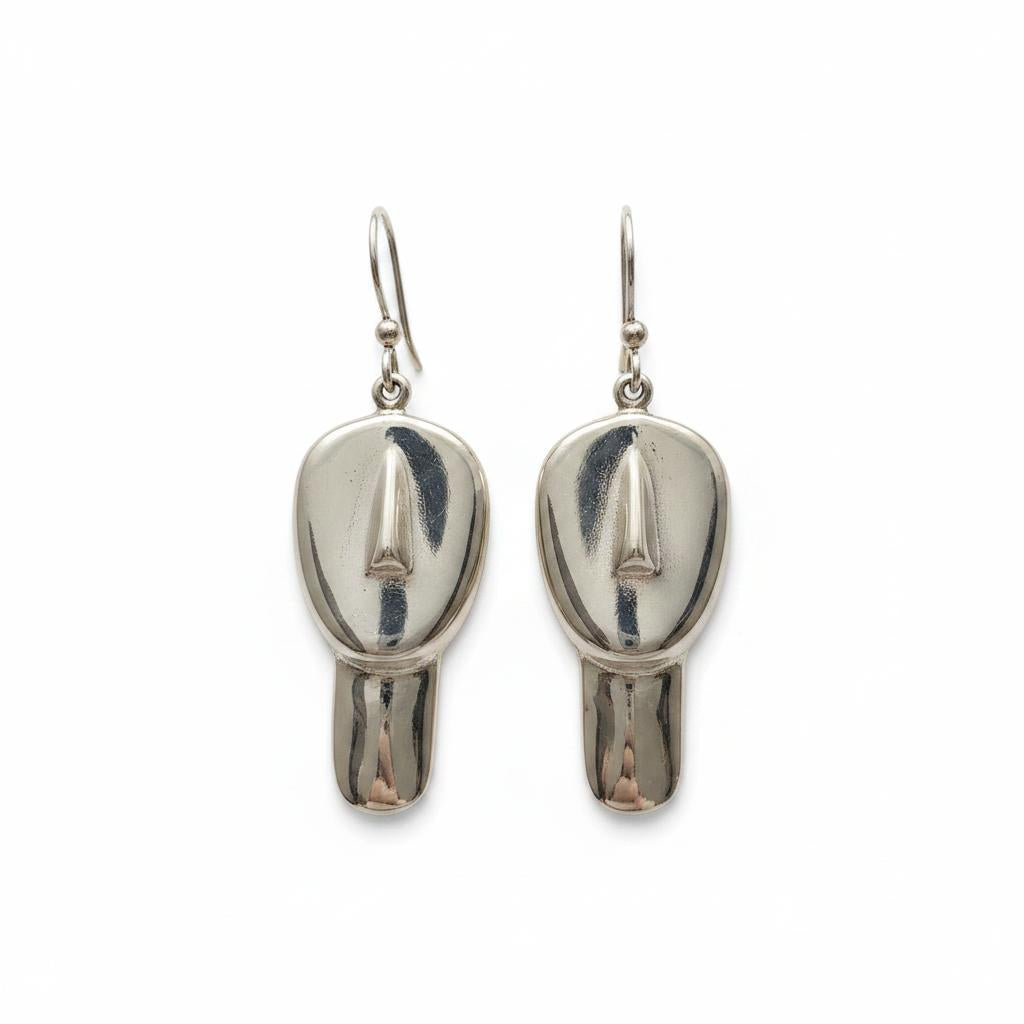
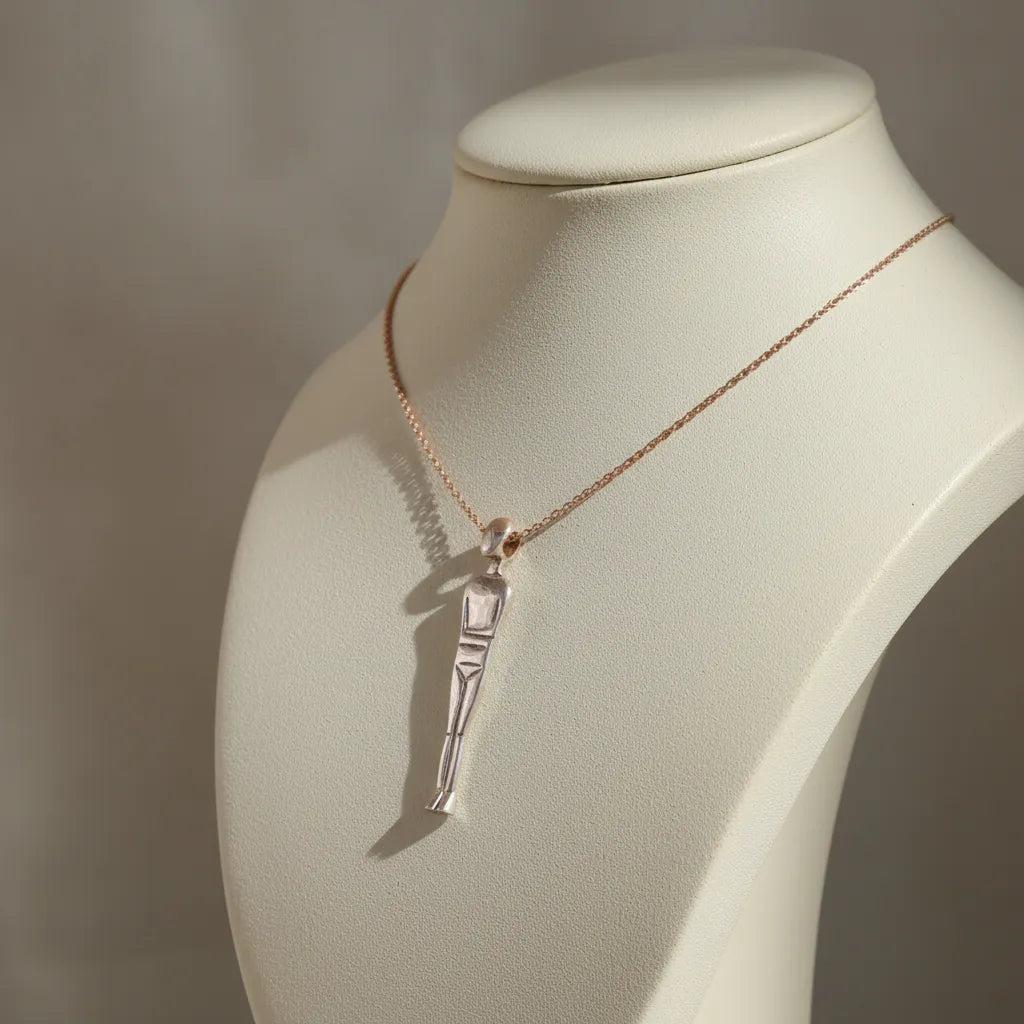
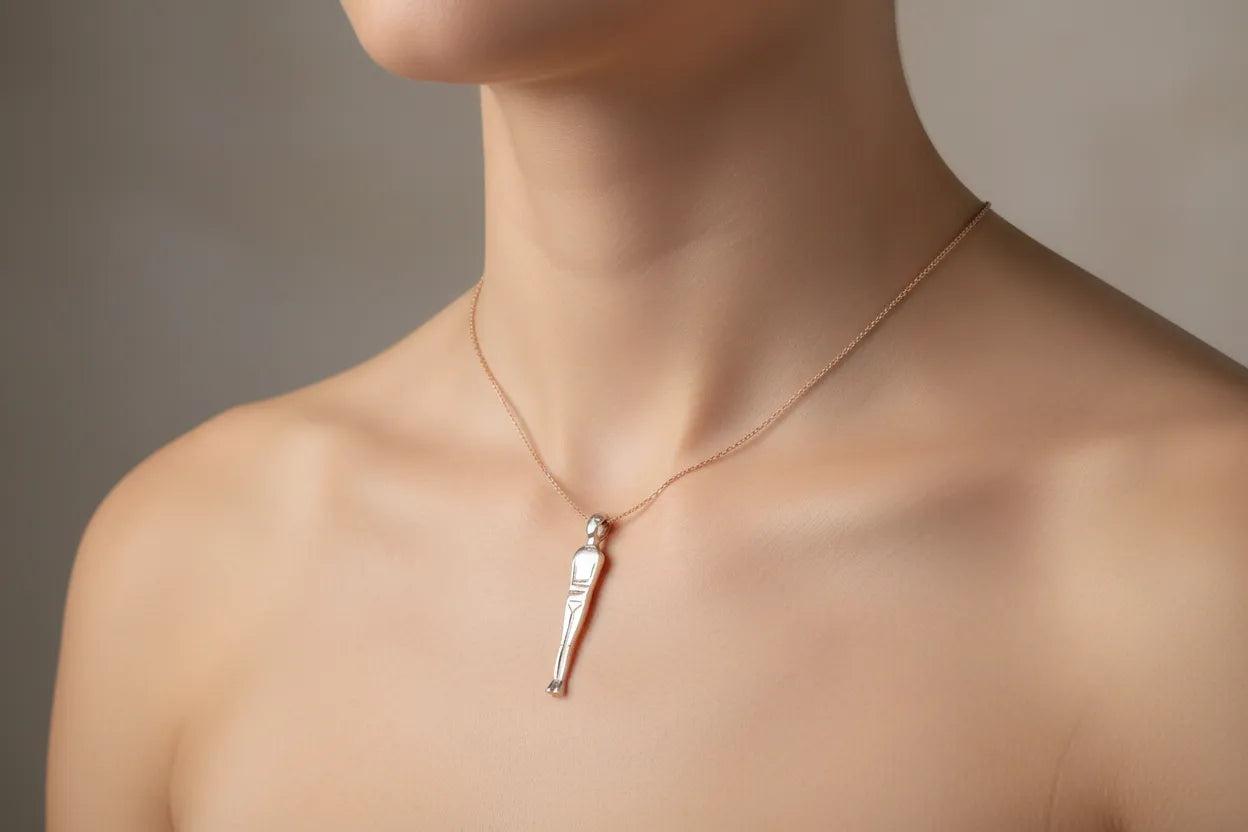
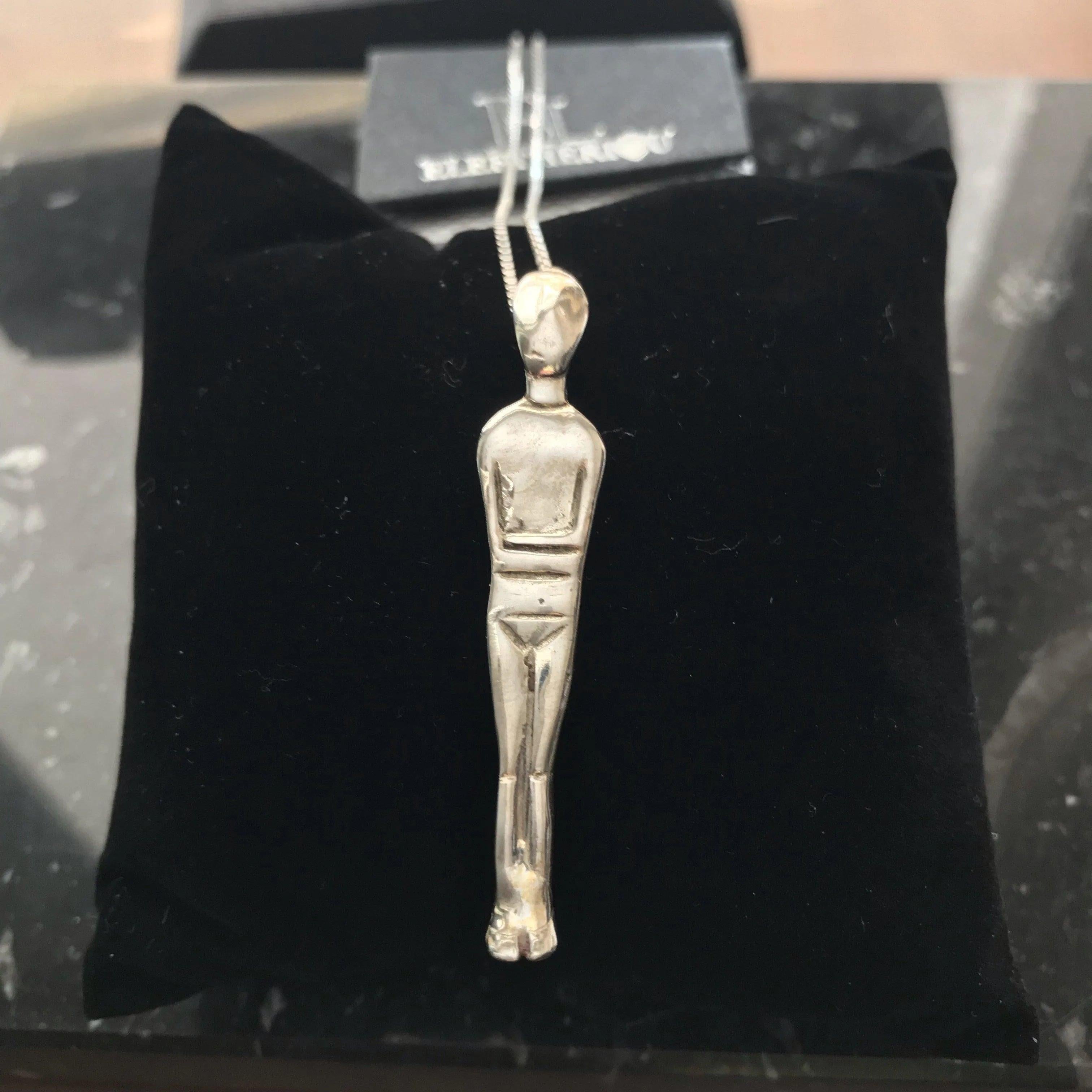
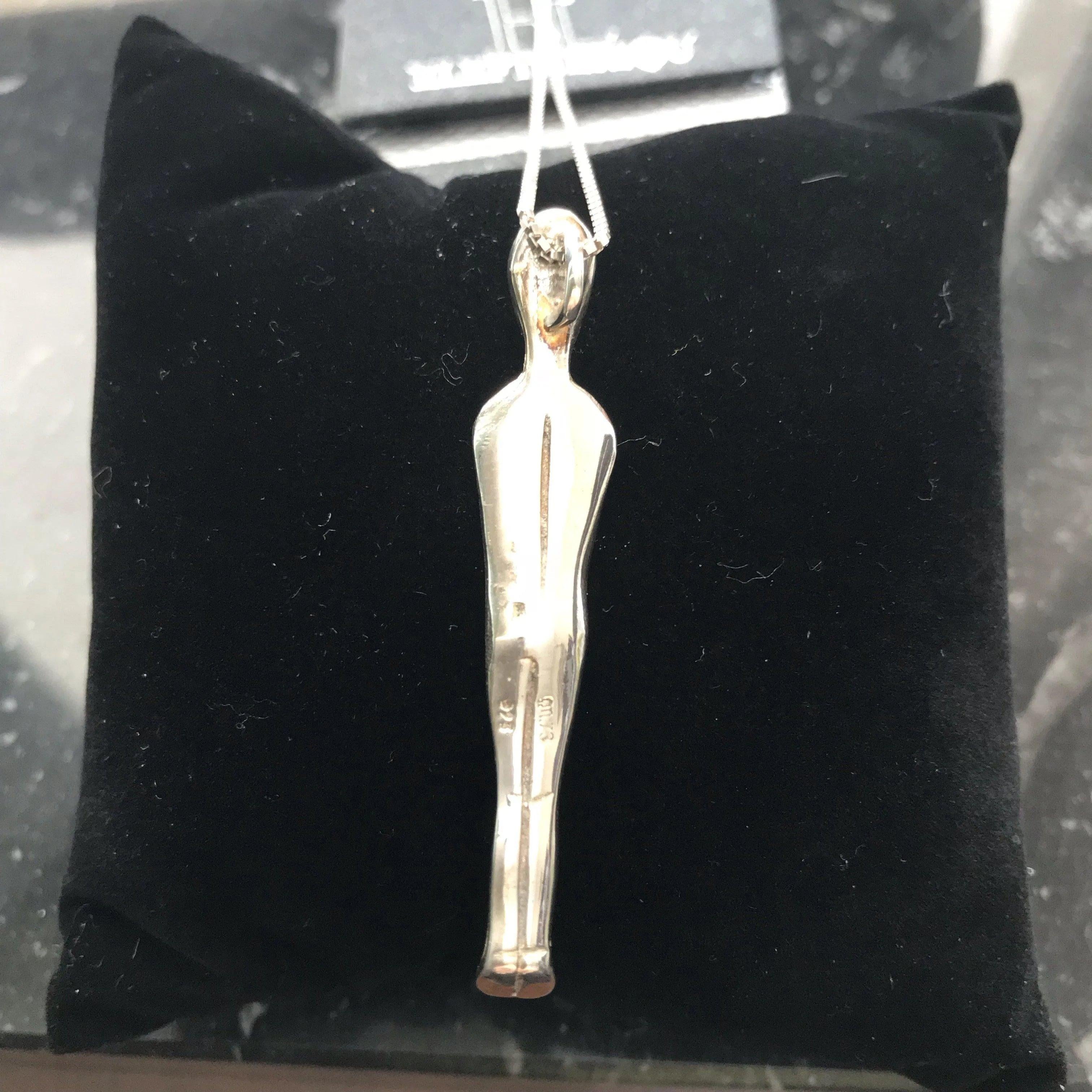
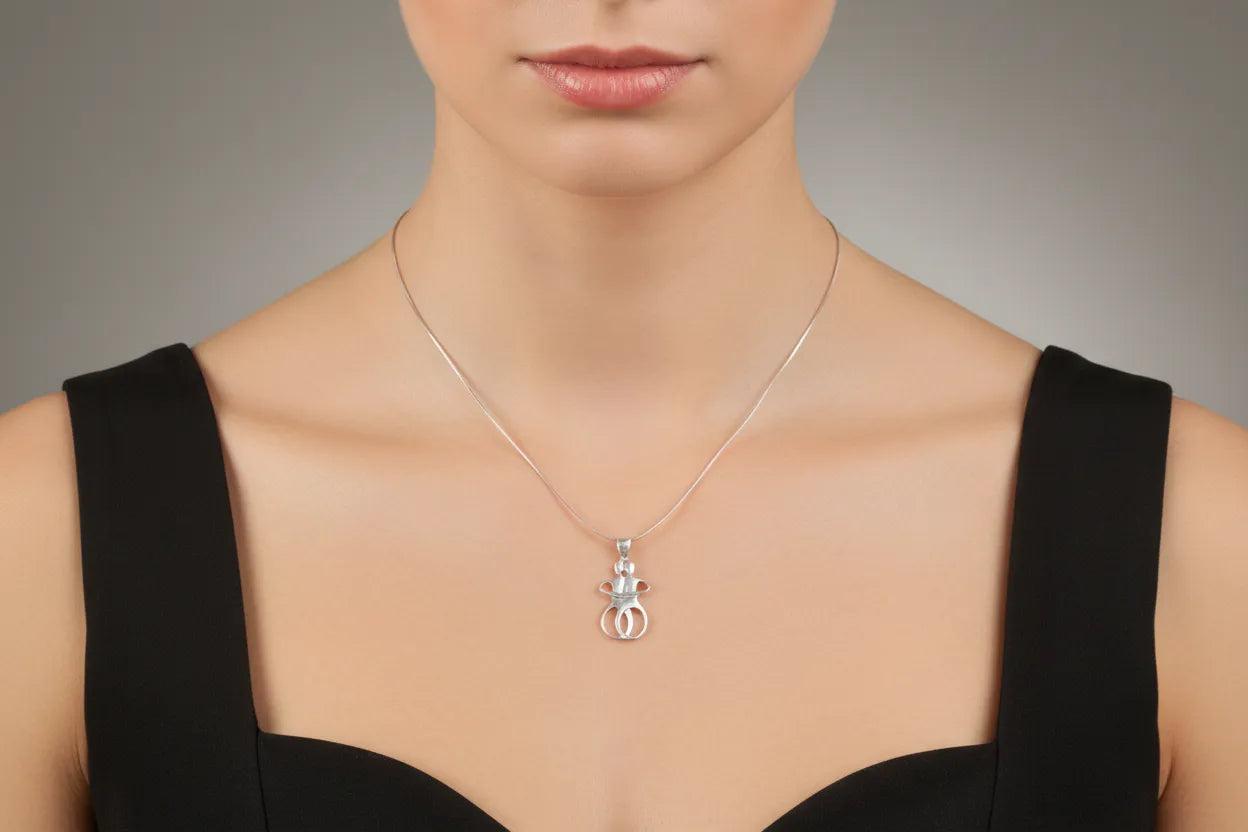
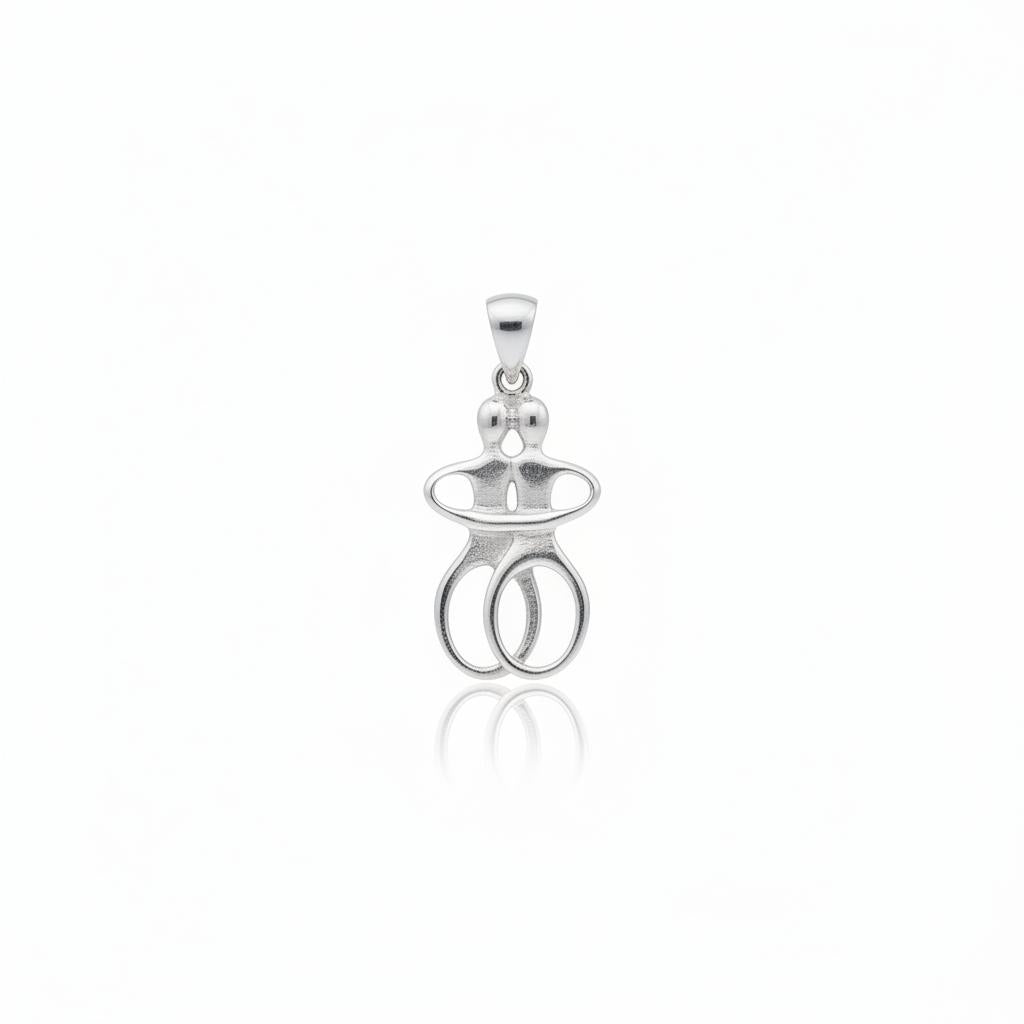
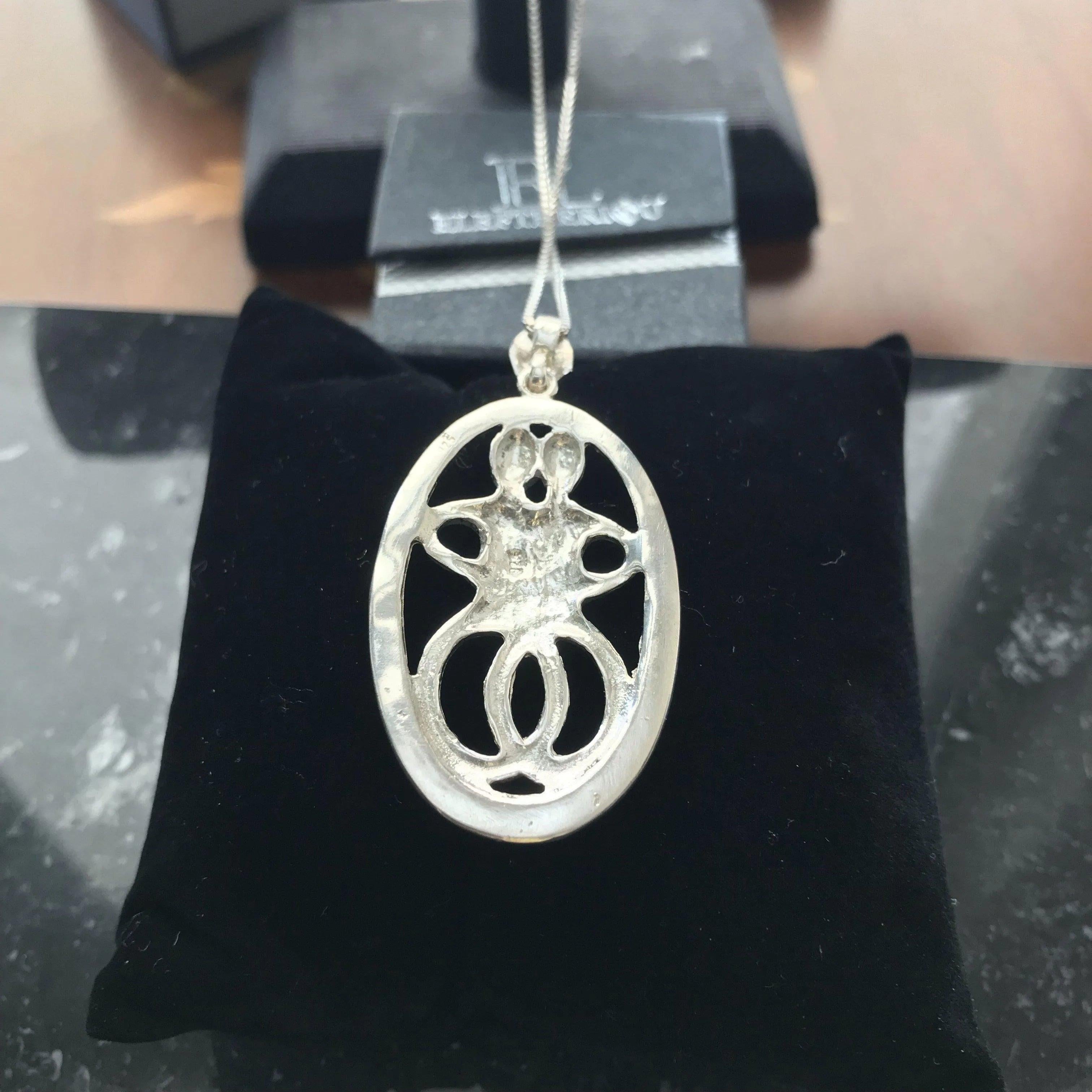
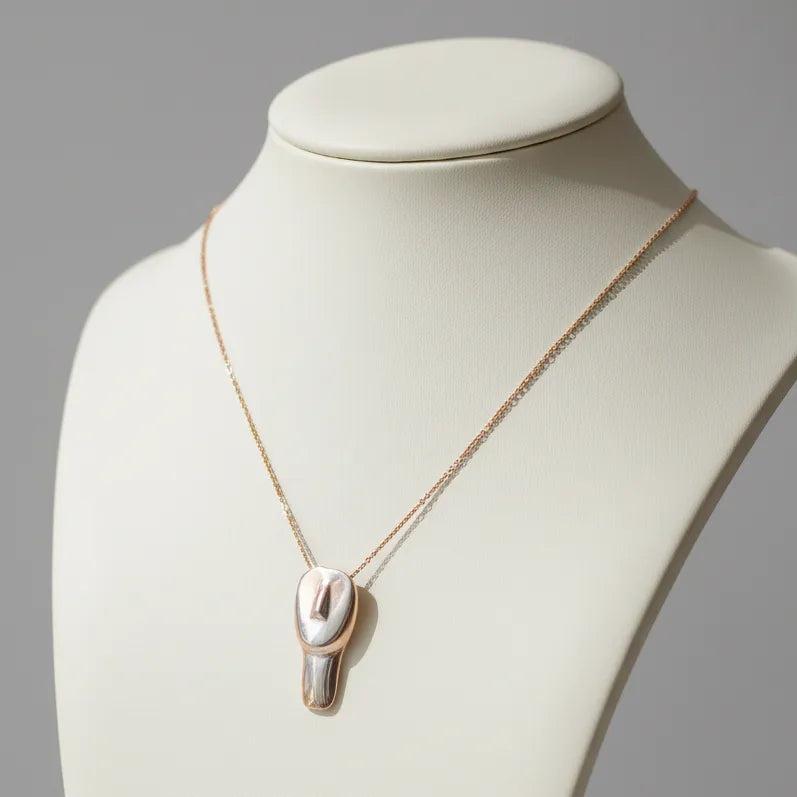
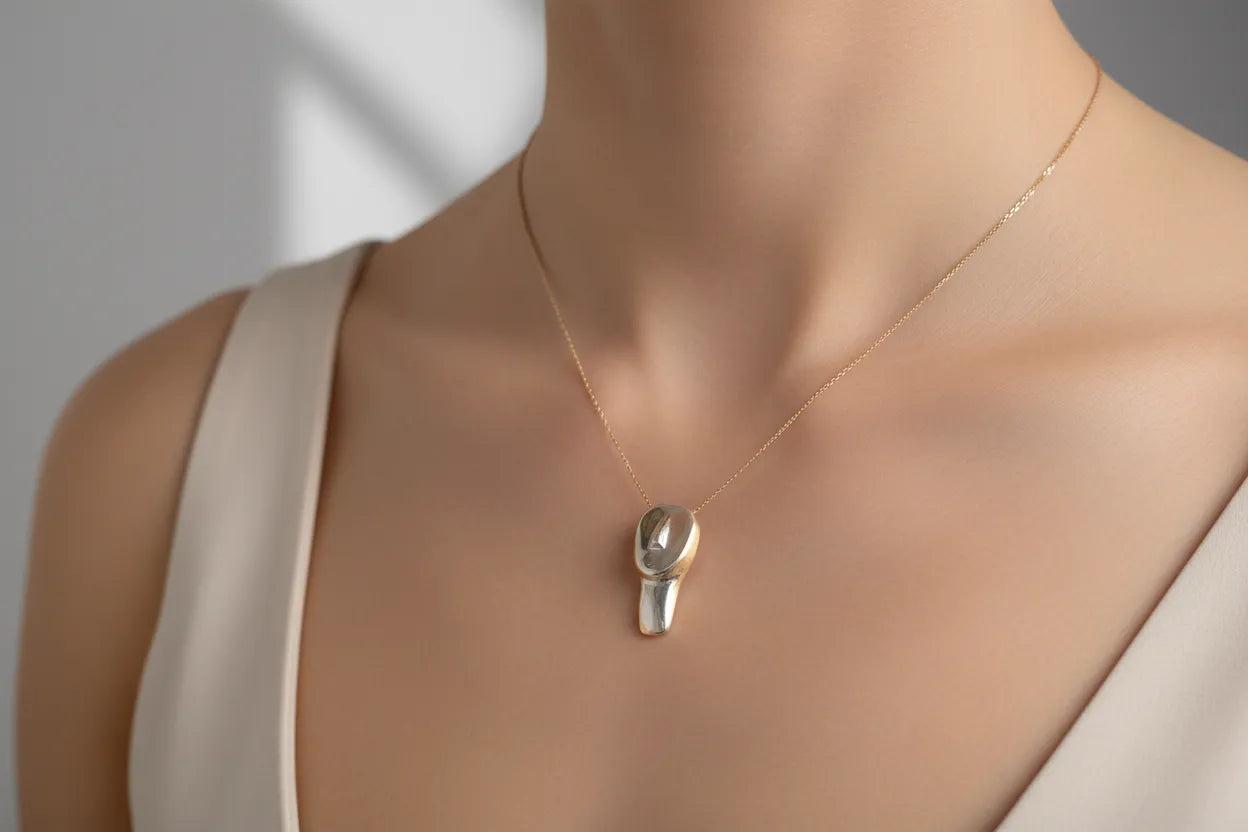
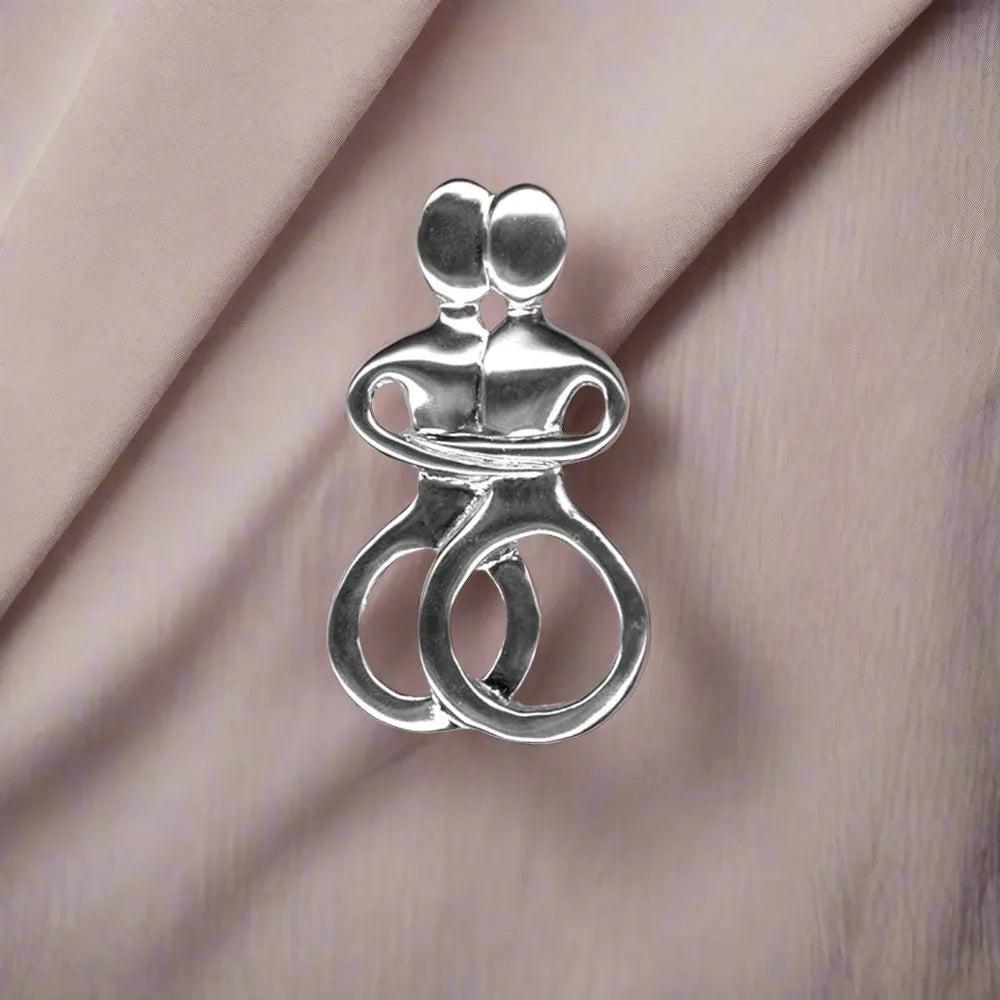
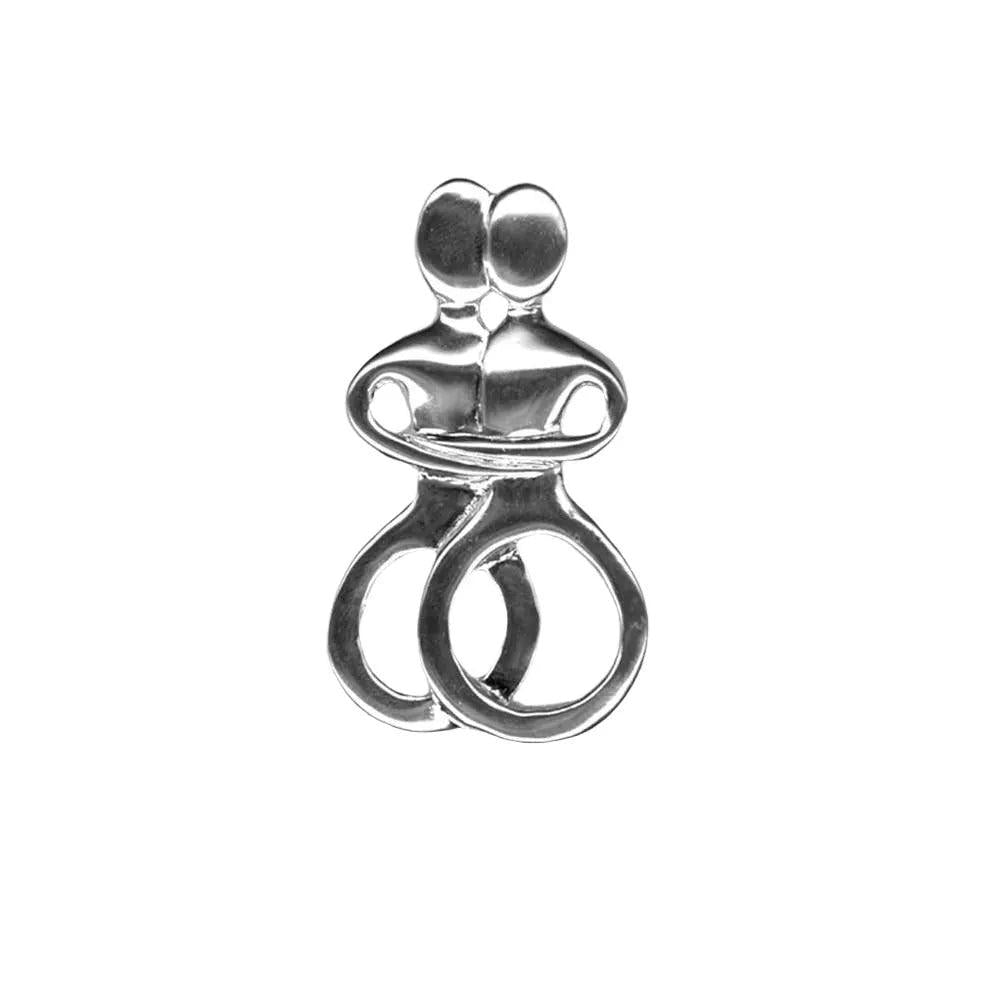
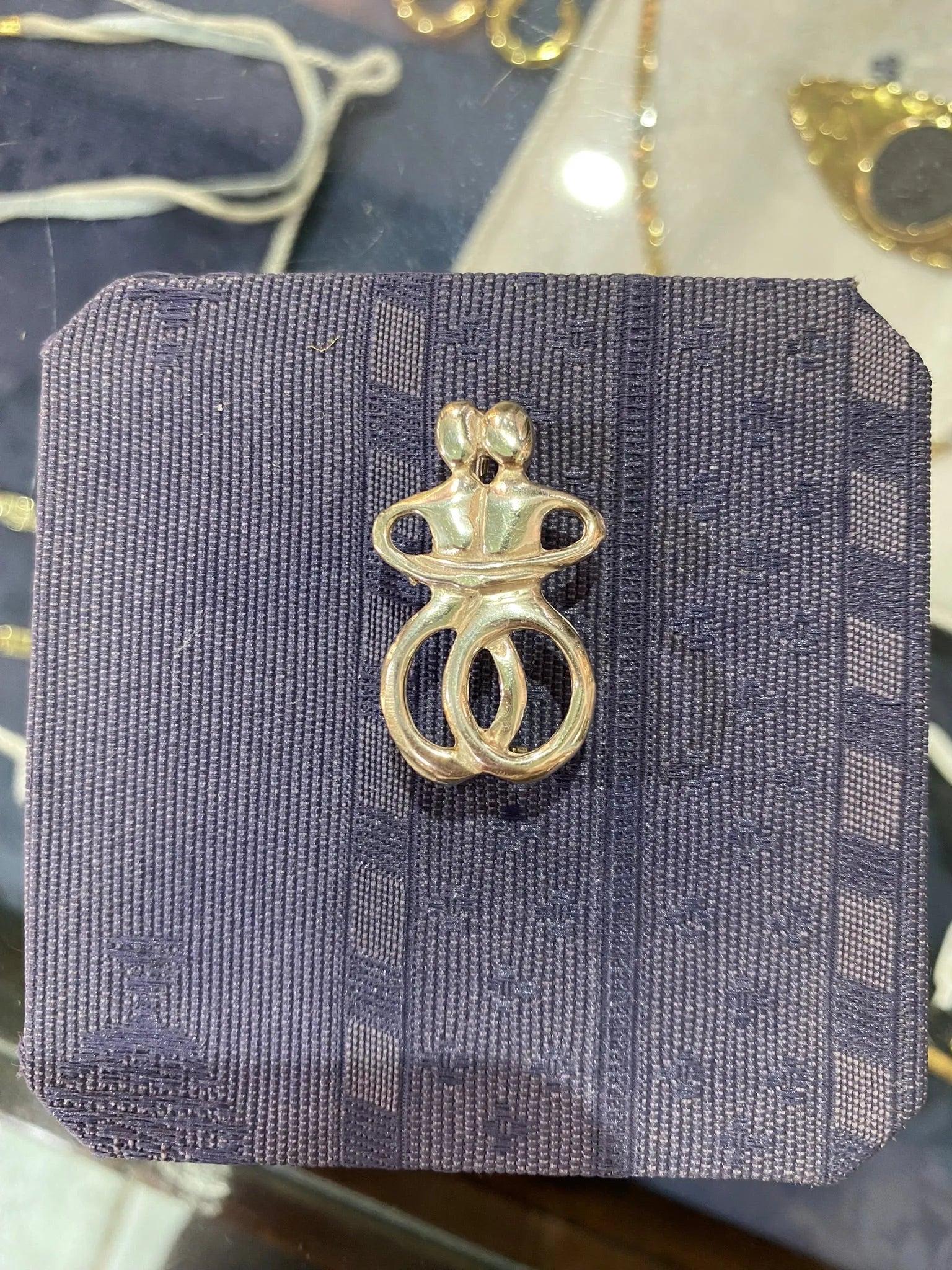
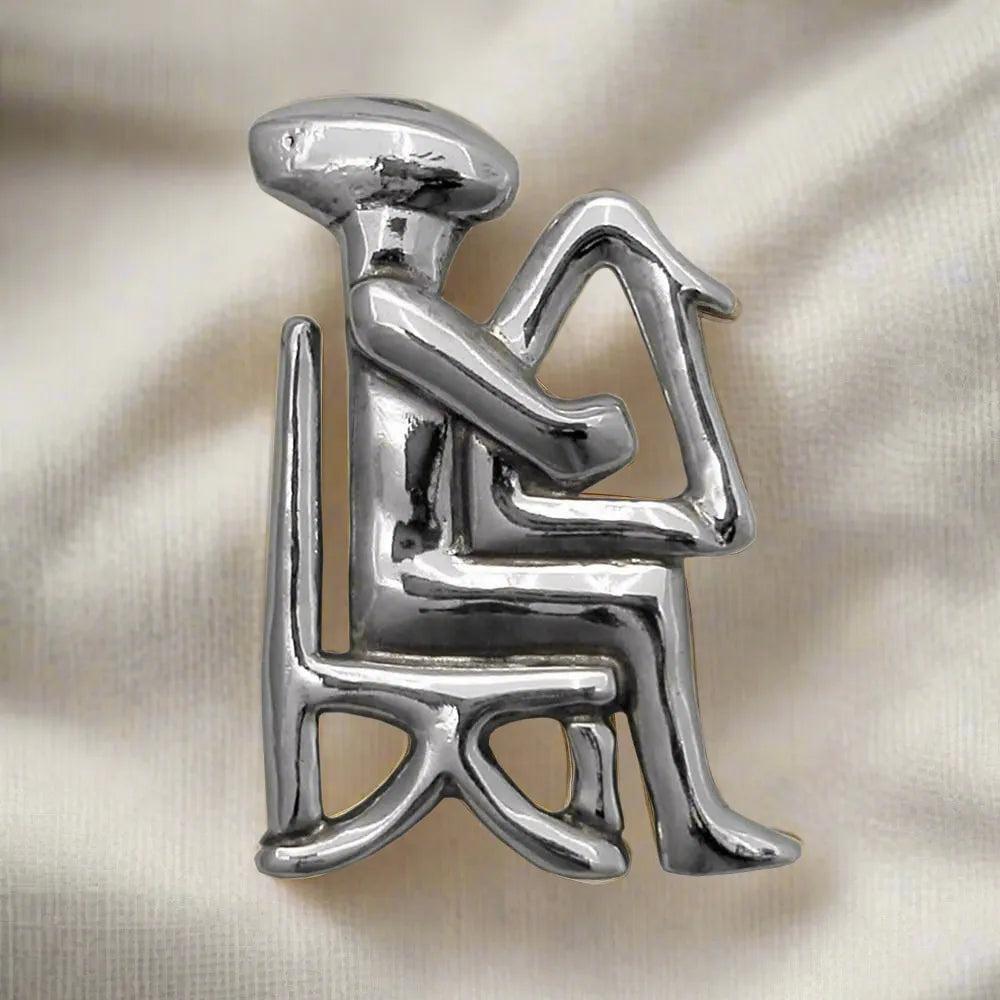
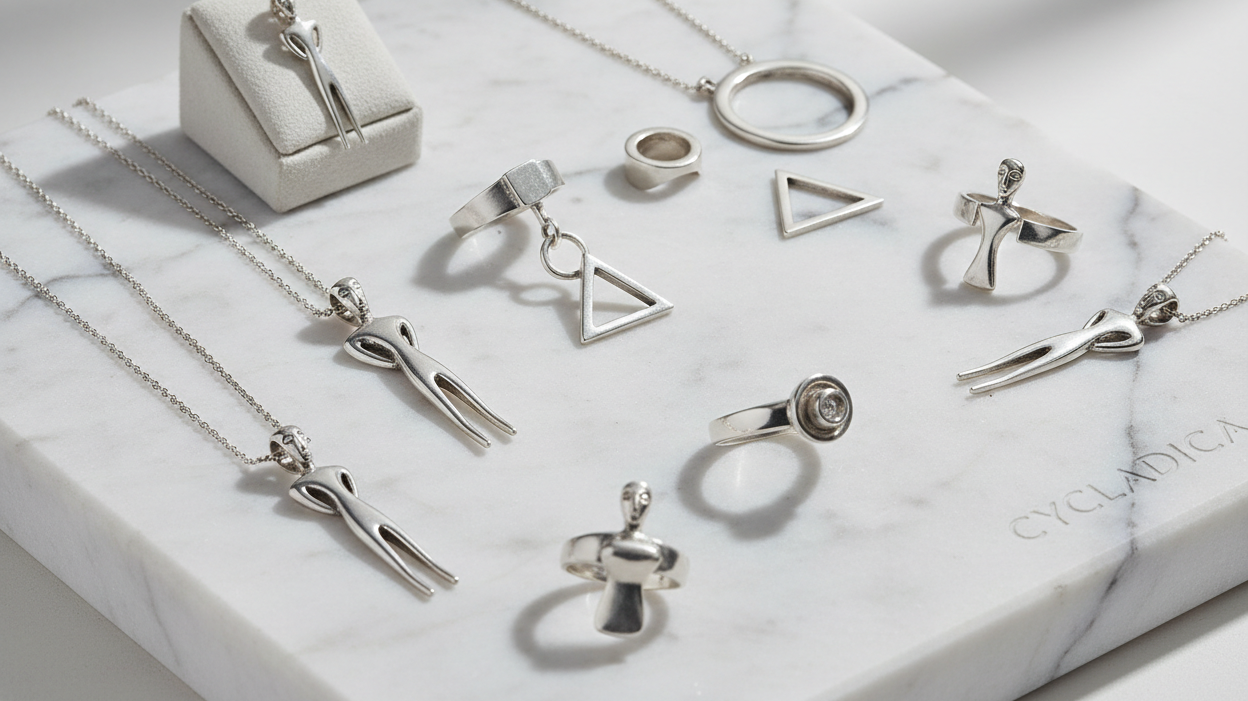
At Eleftheriou EL, the Cycladic Collection takes inspiration from this extraordinary artistic tradition.
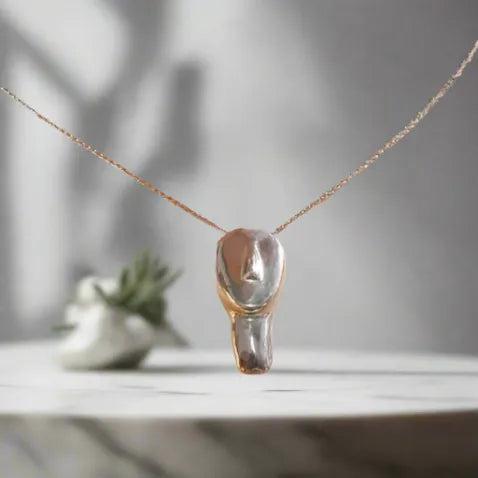
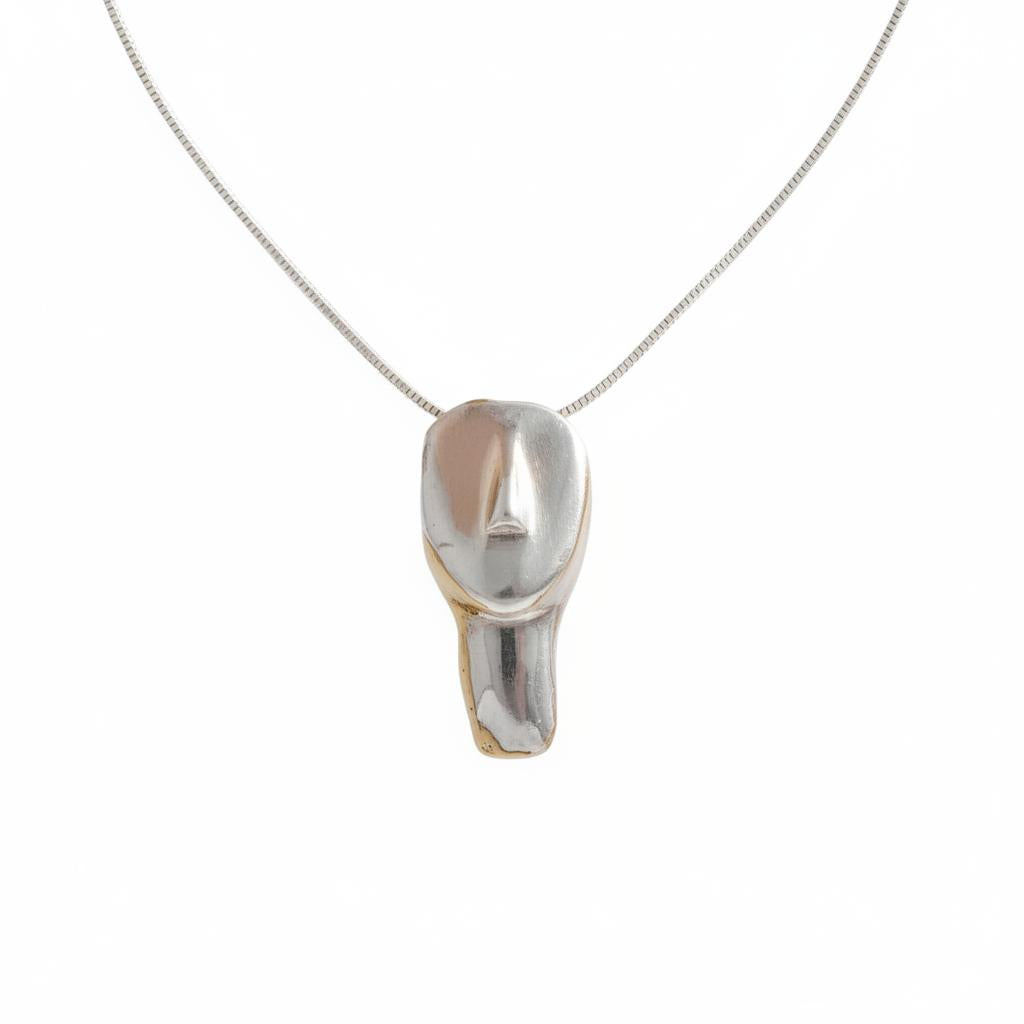
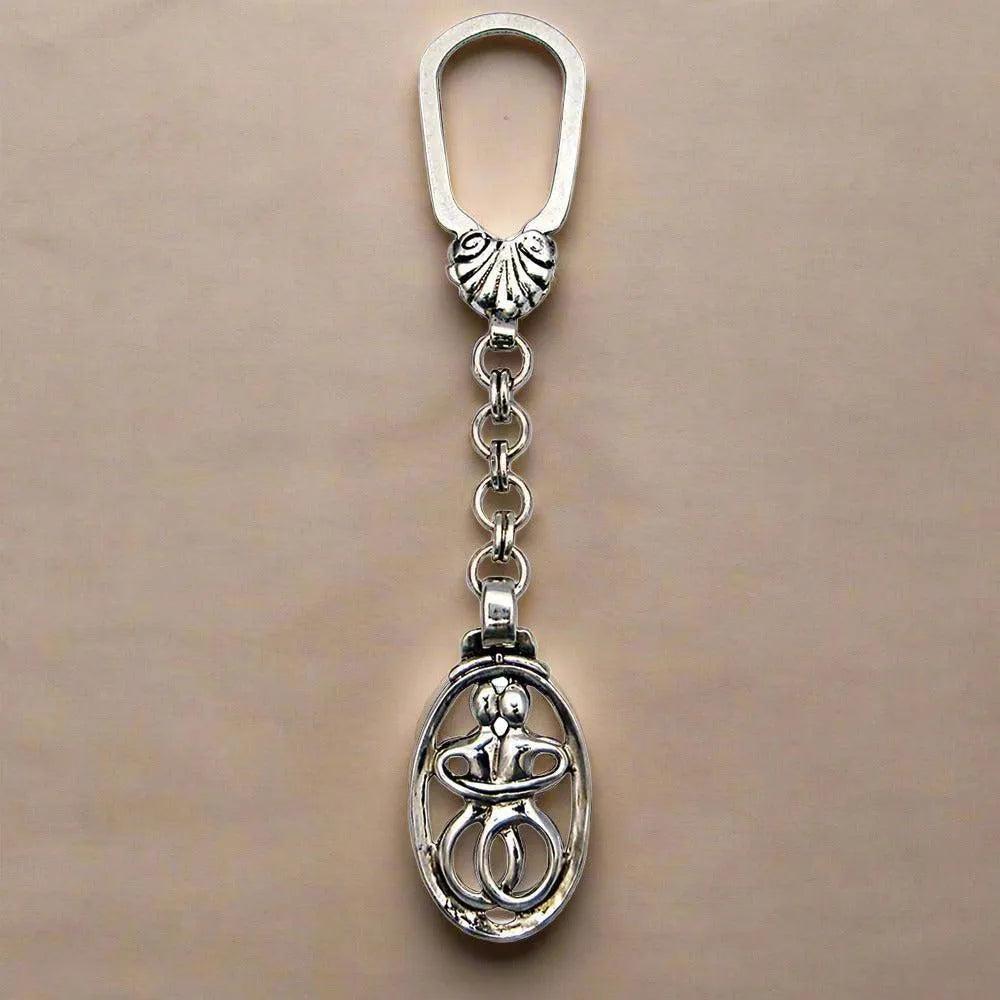
Rather than reproducing ancient objects, our designs reinterpret the visual language of Cycladic art through contemporary jewelry.
The simplified forms, harmonious proportions, and understated character of the ancient Aegean become inspiration for pieces designed to be worn today.
Each creation is handcrafted in Greece, bringing together ancient artistic inspiration and the skill of contemporary Greek artisans.
A Different Kind of Greek Beauty
Greek heritage is often associated with grand temples, elaborate mythology, and monumental sculpture.
Cycladic art offers a different perspective.
Its beauty is quiet.
It does not depend on elaborate decoration or dramatic detail. Instead, it invites us to appreciate proportion, form, material, and simplicity.
That is perhaps why it continues to feel so relevant in the modern world.
An Ancient Aesthetic That Endures
The artists of the Cyclades could never have imagined that their work would still influence the world thousands of years later.
Yet their simplified forms continue to inspire.
From the marble islands of the prehistoric Aegean to contemporary Greek jewelry, the same appreciation for balance and timeless beauty continues to connect generations.
The Cycladic Collection celebrates that connection—bringing the quiet elegance of ancient Aegean art into the present through handcrafted Greek design.
Discover the Cycladic Collection
Explore our Cycladic Collection, inspired by the timeless forms and minimalist beauty of ancient Aegean art.
Discover contemporary Greek jewelry shaped by an artistic tradition that has remained captivating for thousands of years.